
Popular
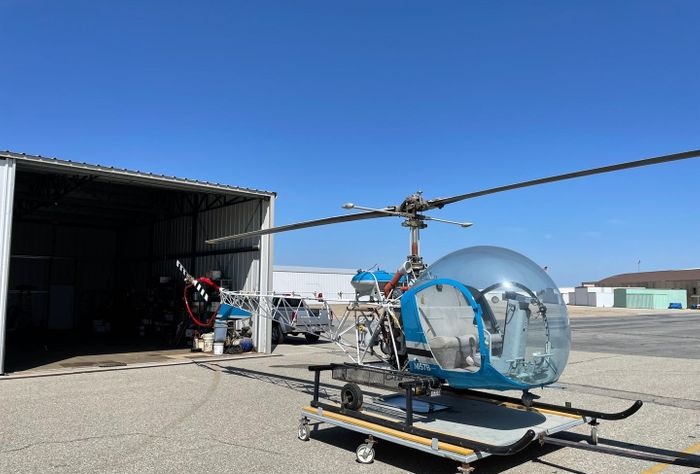
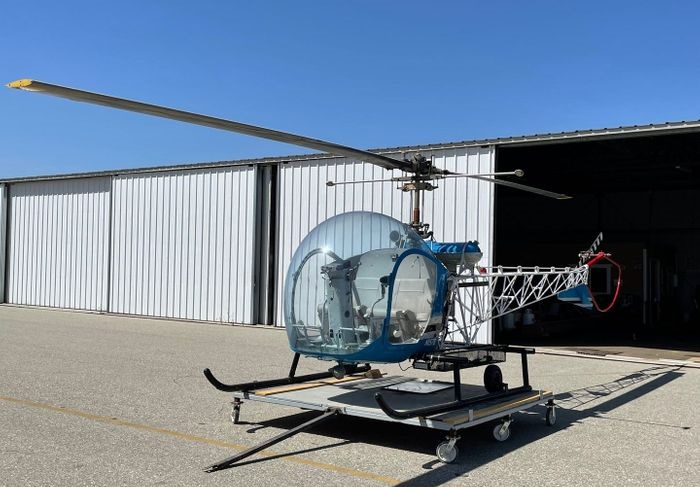
Bell 47D-1
- January 5, 2023
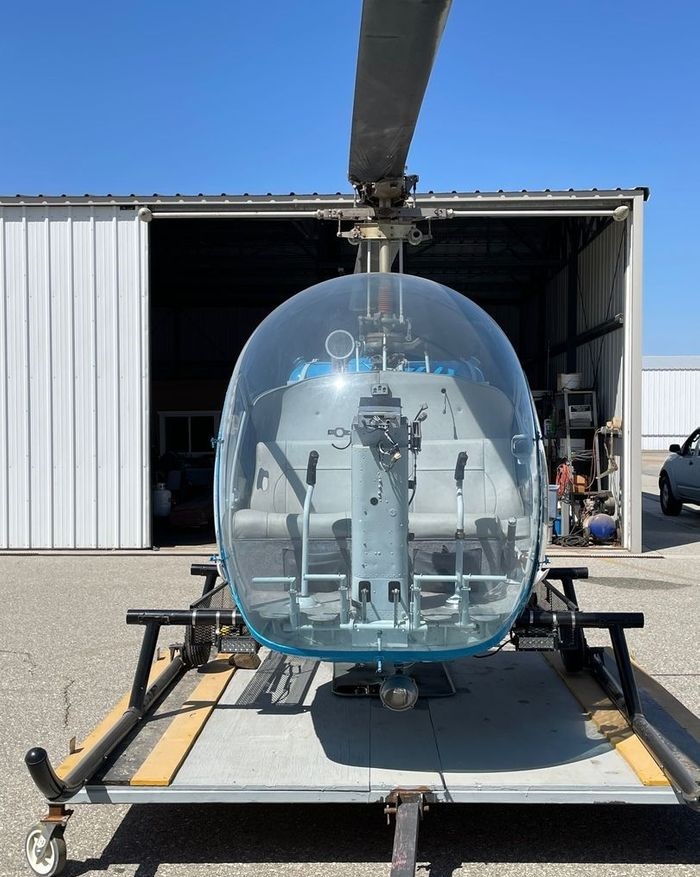
There is no helicopter more universally recognized than the Bell 47. With its distinctive bubble canopy, exposed tail boom, and the unmistakable thwop of its two-blade rotor, the Bell 47 is the helicopter that introduced the world to rotary-wing aviation. Certified by the Civil Aeronautics Board on March 8, 1946 — the first helicopter to receive commercial certification anywhere in the world — the Bell 47 went on to be produced in greater numbers than any helicopter in history up to that point, serving in roles as diverse as military medevac in Korea, crop dusting, powerline patrol, fire spotting, flight training, and motion picture production. Decades after the last new example rolled off the production line, hundreds of Bell 47s continue to fly worldwide — maintained by devoted communities of owners who understand that some aircraft are irreplaceable.
The Bell 47's contribution to aviation history cannot be overstated. It was the helicopter that proved rotary-wing aircraft could be practically useful — not just a technical curiosity. Its service as a medevac platform in the Korean War saved thousands of lives and established the helicopter's role in combat medicine that continues to this day. Its open-frame agricultural variant — the Bell 47G — became the foundation of the global helicopter agricultural industry. The iconic bubble canopy design appeared in countless films and television productions, most memorably in the opening sequence of M*A*S*H, cementing the Bell 47 in popular culture permanently.
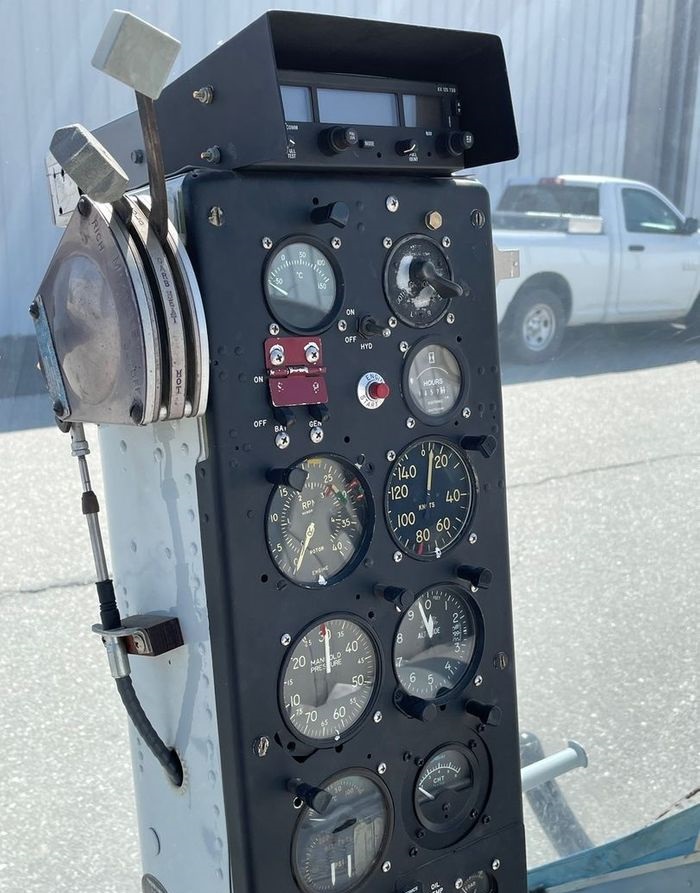
Owning a Bell 47 is a commitment to a machine with character, history, and a community of passionate enthusiasts that few modern aircraft can match. Parts are available through a network of specialty suppliers, and the Bell 47's mechanical simplicity — by modern standards — means that a skilled A&P mechanic with the right type experience can maintain the aircraft without exotic tooling or proprietary electronic diagnostics. The piston engine, while requiring attention to the TBO schedule, is a known quantity that mechanics have been working on for decades. Annual inspection costs and fuel consumption are modest compared to turbine-powered alternatives.
The primary challenges of Bell 47 ownership are the increasing age of airframes (even the youngest examples are now decades old), the need for type-specific maintenance knowledge, and the careful sourcing of parts that may no longer be in volume production. Before purchasing any Bell 47, commission a thorough pre-purchase inspection by a mechanic with documented Bell 47 experience, verify all airworthiness directive compliance, and carefully assess the condition of the rotor head, hub, and blade system — components that carry life limits and require specialist knowledge to evaluate properly.
For agricultural operators in markets where simplicity and repairability are priorities, the Bell 47 remains a genuinely practical working aircraft. For flight schools introducing students to tailwheel and complex helicopter characteristics, the 47 provides an authentic challenge that builds real stick-and-rudder skill. For collectors, the Bell 47 represents the ultimate aviation artifact — the helicopter that started it all, still airworthy, still capable, and increasingly rare in flyable condition. Values for well-maintained Bell 47s have appreciated steadily as the number of airworthy examples slowly declines, making acquisition now a potentially wise decision for serious collectors.
Airplane Trade lists Bell 47 helicopters for sale from verified sellers worldwide — 47G agricultural variants, 47J Rangers, Agusta-Bell examples, and rare early production models. Each listing includes full maintenance status, airframe times, and complete variant documentation. Whether you are a collector, a flight school, an agricultural operator, or simply someone who wants to own a piece of aviation history, browse our Bell 47 listings today and connect directly with sellers who understand the significance of what they are offering.