Seawind 3000 Turbine Conversion for Sale — Buy or Sell a Turbine Seawind Amphibian
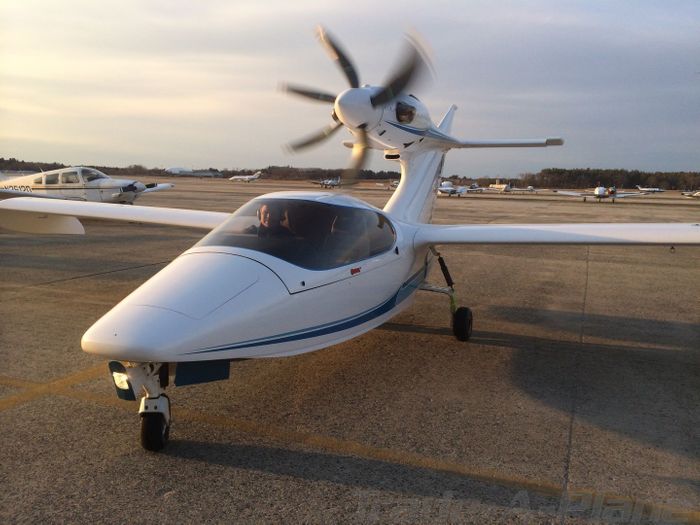
The Seawind 3000 Turbine Conversion represents the ultimate evolution of the distinctive Seawind amphibious aircraft — combining the Seawind's elegant composite hull design and exceptional water handling with the reliability, power, and fuel efficiency of a turbine powerplant. The Seawind 3000 is an all-composite, four-seat amphibian notable for its clean, aerodynamically sophisticated design with a rear-mounted pusher engine configuration that keeps the propeller well clear of spray during water operations. The turbine conversion — most commonly using an Allison 250-C20 or Pratt and Whitney Canada PT6A turboprop in the pusher position — transforms the aircraft's performance and operating economics, making it one of the most compelling four-seat amphibians available on the market. Seawind 3000 Turbine aircraft for sale are genuinely rare, and Airplane Trade is the best place to find and list them worldwide.
The Seawind Design — Form Following Function
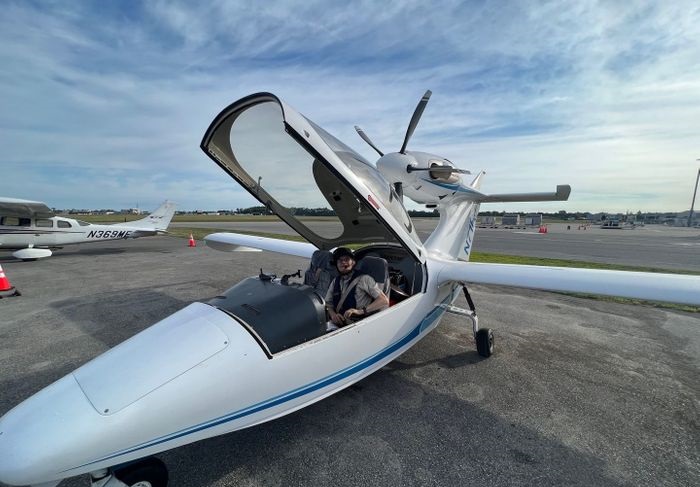
The Seawind was originally designed by Richard Silva in Canada as a sleek, composite-construction amphibian that would overcome the aesthetic and performance limitations of conventional flying boat designs. The production Seawind 3000 features a low-drag composite hull of fibreglass and carbon fibre, retractable tricycle undercarriage for land operations, and a pusher engine installation that places the propeller above and behind the cabin — eliminating the spray ingestion problems that affect tractor-engined amphibians and allowing a clean, unobstructed nose and windshield. The aircraft's performance on water is exceptional, with the hull design providing clean spray characteristics and good handling in moderate chop. The original piston-powered Seawind 3000 uses a Continental IO-550 engine; the turbine conversion addresses the power and reliability limitations of the piston installation while adding Jet-A fuel compatibility.
Turbine Conversion Options
- Allison 250-C20 Conversion — Rolls-Royce Allison 250-C20 turboshaft driving a pusher propeller; approximately 420 shp; jet-smooth power delivery; compact installation suited to the Seawind's pusher configuration; Jet-A fuel; the most common turbine conversion for the Seawind platform.
- PT6A Conversion — Pratt and Whitney Canada PT6A-series turboprop in pusher configuration; greater power output; more complex installation; exceptional reliability; the premium turbine option for Seawind owners seeking maximum performance.
- Walter M601 Conversion — Czech turboprop; competitive installation cost; used in some European Seawind conversions; good reliability record.
Performance — Seawind 3000 Turbine (Allison 250)
- Engine — Allison 250-C20 turboshaft, 420 shp
- Maximum Speed — 175 mph (152 knots / 282 km/h)
- Cruise Speed — 155 mph (135 knots / 249 km/h) at 75% power
- Range — 700–900 miles (depending on fuel load and speed)
- Service Ceiling — 20,000 ft (6,096 m)
- Rate of Climb — 1,400 ft/min (sea level, MTOW)
- MTOW — 3,400 lb (1,542 kg)
- Seating — 4 passengers
- Fuel Type — Jet-A
- Amphibious — Yes; retractable tricycle gear for land operations
Why Choose a Turbine Seawind
The turbine-powered Seawind 3000 offers a compelling combination of capabilities that no comparable four-seat amphibian can fully replicate. The pusher turbine configuration eliminates spray ingestion concerns entirely — a genuine advantage over tractor-engine amphibians where propeller damage from spray is a constant risk during water operations. The composite hull provides exceptional corrosion resistance compared to aluminium or fiberglass-and-fabric construction, reducing long-term maintenance costs dramatically. The turbine engine's reliability advantage over piston powerplants is especially significant in the amphibious environment, where an engine failure over open water far from a suitable landing surface has potentially serious consequences. The Allison 250 turboshaft, derived from the engine used in thousands of military and civil helicopters, has one of the most extensive maintenance and parts networks of any turbine in the sub-1,000 shp class.
Buying a Seawind 3000 Turbine — Key Considerations
- STC Documentation — Verify that the turbine conversion was performed under a valid FAA or Transport Canada STC; request all conversion documentation and confirm the STC covers the specific hull serial number.
- Hull Condition — Inspect the composite hull for delamination, impact damage, and water intrusion; Seawind hulls are durable but require specialist composite repair if damage is found.
- Engine Hours and Condition — Assess hours since new or major overhaul for the Allison 250 or PT6A; both are well-supported engines with established overhaul networks.
- Water Rudder and Float Systems — Inspect water rudder actuation, bilge systems, and step area carefully; these components are exposed to constant water and require regular maintenance attention.
- Retractable Gear System — Verify proper operation of all gear actuators, uplocks, downlocks, and gear doors; the gear system is critical for safe amphibious operations.
Find Your Seawind 3000 Turbine on Airplane Trade
Airplane Trade is the premier global marketplace for rare and high-performance amphibious aircraft including the Seawind 3000 Turbine Conversion. These exceptional aircraft are genuinely rare, and verified listings with full specifications and direct seller contact are invaluable when they do appear. Browse current inventory and list your Seawind on Airplane Trade — the global marketplace for unique and specialist aviation assets.