
Popular
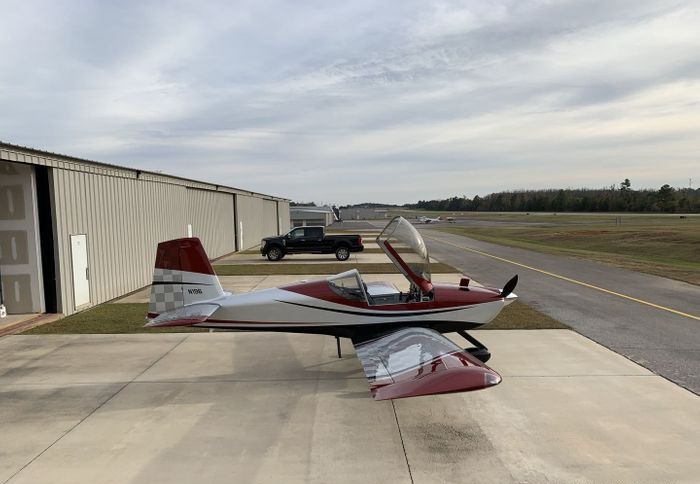
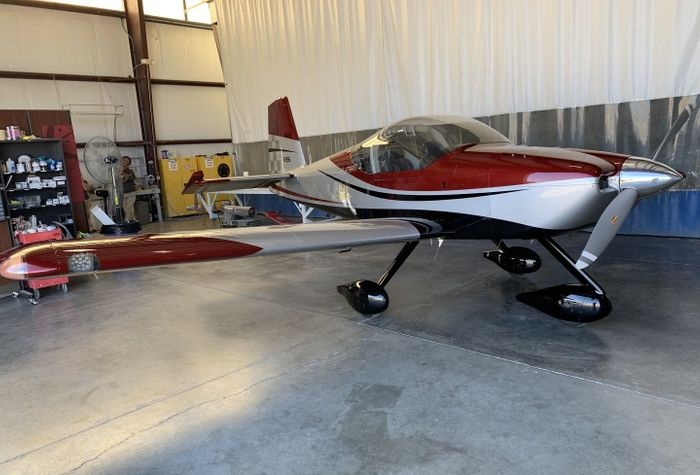
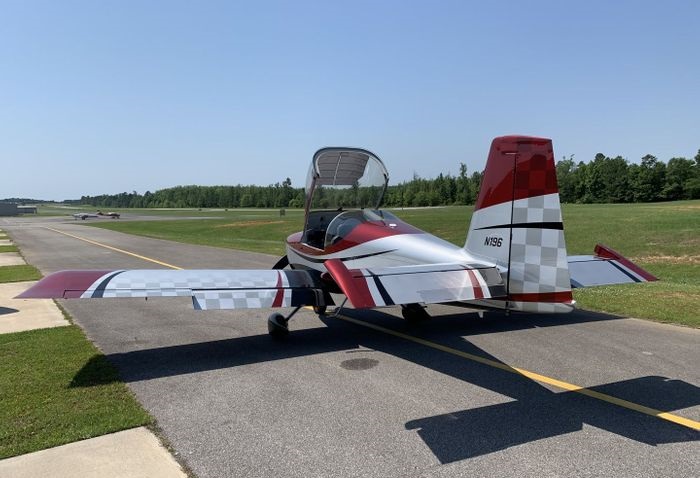
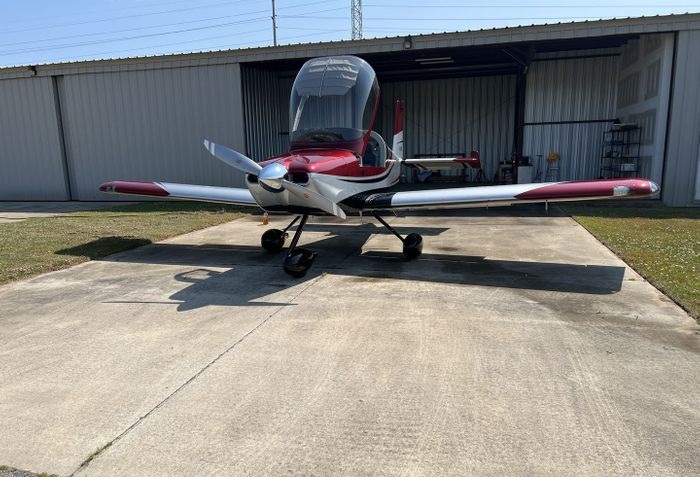
2018 Van’s RV-14/14A
- January 5, 2023
The Vans RV-14 and its tricycle-gear sibling the RV-14A represent the pinnacle of the Van's Aircraft design philosophy — the most refined, capable, and comfortable two-seat RV ever offered. Introduced in 2013 after years of design refinement, the RV-14 addressed every ergonomic limitation of earlier two-seat RV models: a wider cockpit, taller cabin, improved visibility, upgraded control system, and greater structural margin for higher gross weight and expanded aerobatic capability. For pilots who want the legendary RV handling and cross-country performance in a thoroughly modern package, the RV-14 is the definitive choice. Airplane Trade connects buyers and sellers of RV-14 and RV-14A aircraft worldwide, offering a trusted marketplace for one of the most sought-after homebuilt aircraft on the market today.
Van's Aircraft designed the RV-14 as a clean-sheet refinement of the RV-8 tandem concept, incorporating decades of builder feedback and engineering improvements. The most immediately noticeable change is the wider cockpit — at 24 inches across for each occupant, the RV-14 cockpit is meaningfully more comfortable than the RV-7 or RV-8, accommodating a broader range of pilot builds without the cramped feeling some larger pilots experience in earlier models.
The cabin height was also increased, giving taller pilots genuine headroom under the bubble canopy. The canopy itself was redesigned with improved sealing and locking mechanisms, reducing inflight noise and improving security. The instrument panel was widened and reconfigured to accommodate modern large-format glass panel displays without custom fabrication, making glass panel installation more straightforward than on previous RV models.
Structurally, the RV-14 features a higher maximum gross weight of 1,800 lbs — an increase over the RV-7 and RV-8 — allowing builders to install heavier avionics, add tip tanks, and carry more fuel without sacrificing useful load. The landing gear attachment system was redesigned for increased strength and easier builder assembly, and the wing spar uses improved construction methods derived from Van's ongoing engineering development.
The RV-14 is typically powered by the Lycoming IO-390 producing 210 horsepower, though many builders opt for the larger Lycoming IO-540 at 260 horsepower for maximum performance. With the IO-390, a well-built RV-14 delivers:
Roll rates are exceptional — a properly rigged RV-14 rolls at approximately 150 to 160 degrees per second, combining the brisk handling RV pilots expect with the smoother, more progressive feel of the refined control system. The aircraft is approved for full aerobatics in the utility category, including loops, rolls, spins, and inverted flight with an appropriate inverted fuel and oil system.
Like most RV models, the RV-14 is offered in two landing gear configurations. The RV-14 features conventional tailwheel gear — the preferred choice for pilots who enjoy traditional stick-and-rudder flying and want every knot of performance advantage. The RV-14A uses tricycle nosegear, making it more forgiving during landing and crosswind operations and easier to transition into from modern training aircraft. Both variants share identical wings, fuselage, engine mount, and cockpit — the difference is entirely in the undercarriage and associated fuselage modifications. Performance in cruise is identical between the two configurations.
The RV-14's widened instrument panel is purpose-built for modern glass avionics. Most RV-14s flying today are equipped with either the Garmin G3X Touch or Dynon SkyView HDX integrated glass panel suite, providing primary flight display, engine monitoring, moving map navigation, and autopilot control from a single or dual-screen setup. Many builders add a Garmin GTN 650Xi or 750Xi IFR navigator, enabling true instrument flight capability in a homebuilt aircraft. With an autopilot, IFR navigator, and ADS-B in/out, the RV-14 becomes a serious all-weather cross-country machine at a fraction of certified aircraft costs.
Because the RV-14 was introduced in 2013, the used market consists primarily of aircraft built between 2015 and the present — meaning most examples are relatively recent builds with modern avionics and lower total times. When evaluating a used RV-14, prioritize build log quality and completeness, engine time since new or overhaul, avionics fit and software currency, and compliance with any applicable Van's Aircraft Service Bulletins. A professional pre-buy inspection by an A&P familiar with experimental aircraft is strongly recommended before completing any purchase.
Browse current Vans RV-14 and RV-14A listings on Airplane Trade. Search by location, price, engine hours, and equipment level to find the right aircraft for your mission. Contact sellers directly — no broker fees, no middlemen. Start your search today and find the finest two-seat homebuilt aircraft available.