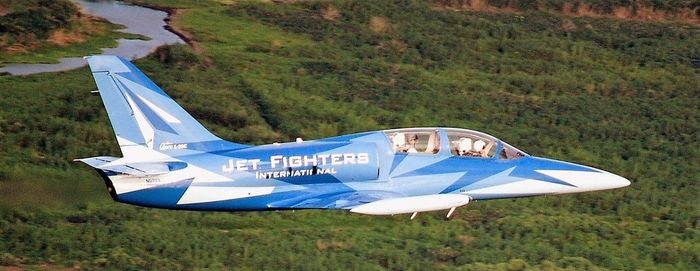
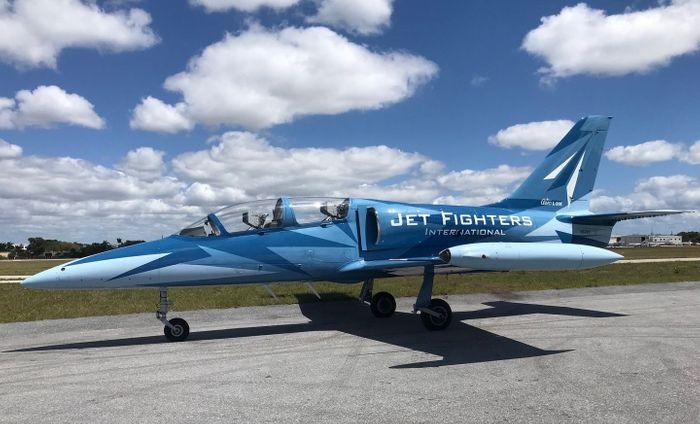
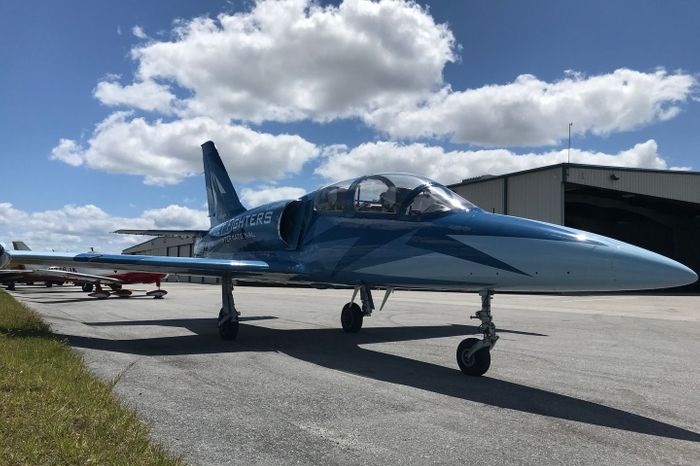
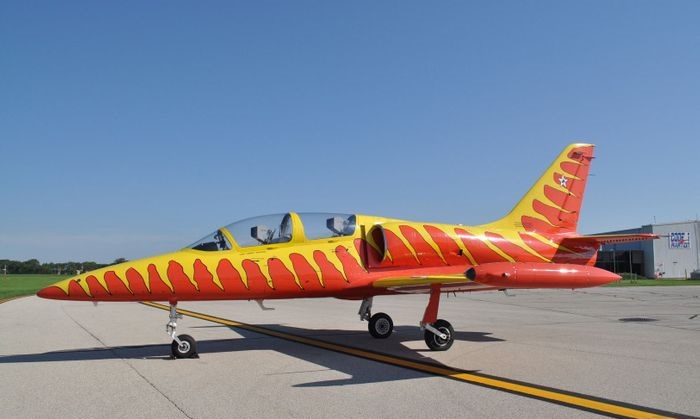
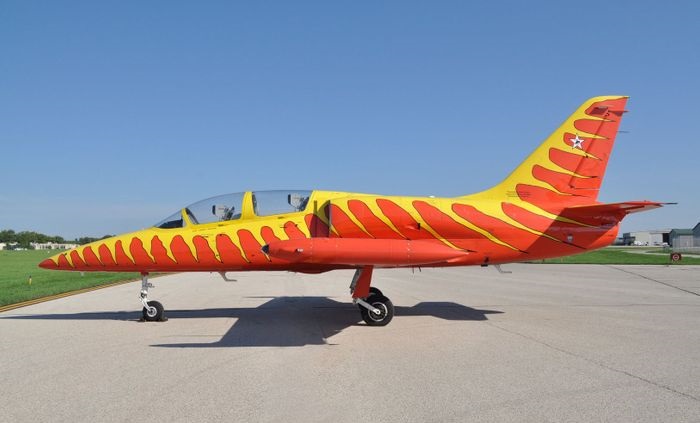
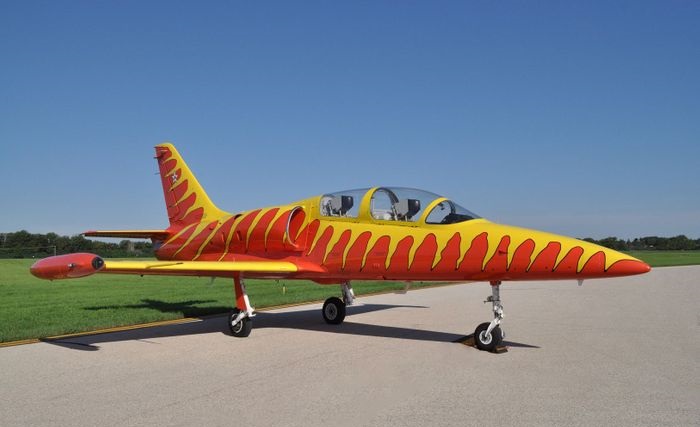
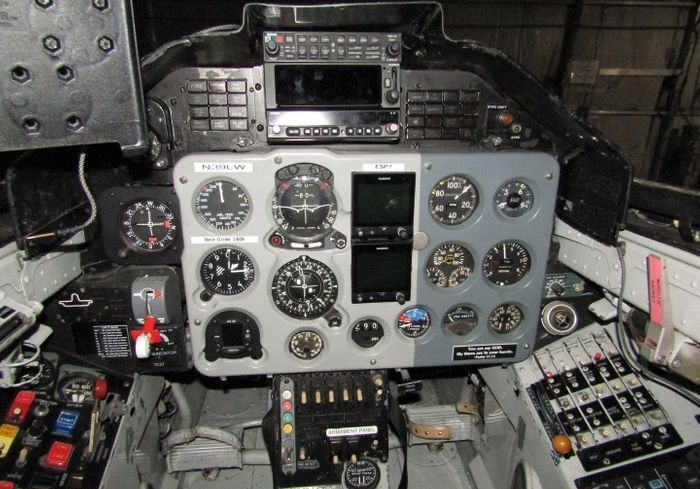
Aero L-39 Albatros Jet Trainers for Sale — The Most Popular Warbird Jet in the World
If there is one jet aircraft that has democratized warbird jet ownership more than any other, it is the Aero L-39 Albatros. Designed to replace the L-29 Delfin as the standard jet trainer of Warsaw Pact air forces, the L-39 entered service in 1971 and was produced in over 2,900 examples — and of all the jet warbirds available on the civilian market today, the L-39 is by far the most common, the most widely supported, and the most accessible to qualified buyers who want the experience of flying a genuine military jet trainer. The combination of availability, proven reliability, relatively manageable operating costs by jet standards, and outstanding aerobatic capability has made the Albatros the go-to jet warbird for serious enthusiasts, aerobatic display teams, and first-time jet warbird buyers worldwide.
Why the L-39 Dominates the Jet Warbird Market
Three factors explain the L-39's dominance in civilian jet warbird ownership. First, sheer numbers: with nearly 3,000 examples produced and large quantities released from Eastern European air force service after 1991, the supply of surplus L-39s has kept acquisition prices at levels that make jet ownership achievable for serious buyers who are not billionaires. Second, the AI-25TL turbofan engine: unlike the L-29's Motorlet turbojet, the L-39's AI-25TL is a relatively modern turbofan with a respectable parts and overhaul infrastructure that, while not as deep as Western engine types, is substantially better supported than most Eastern Bloc powerplants. Third, performance: the L-39 is a genuinely capable aircraft — maximum speed exceeds 750 km/h, the aircraft is fully aerobatic with a +8/-4g structural limit, it can carry underwing stores for light attack training, and its tandem two-seat configuration allows instructor-student operations that single-seat warbirds cannot provide.
L-39 Series Variants
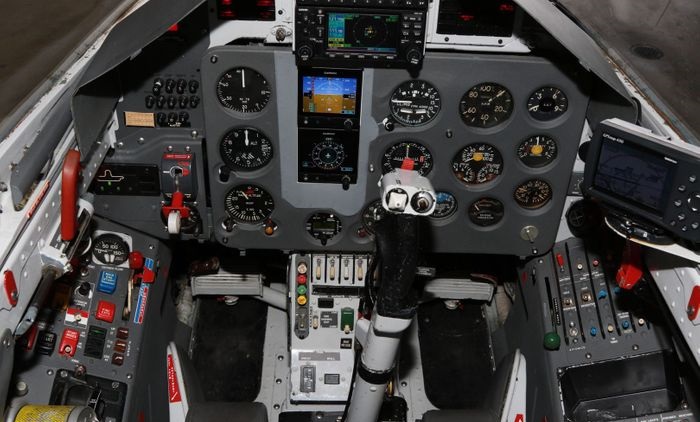
- L-39C — The standard unarmed trainer variant, the most common L-39 on the civilian market. Two-seat tandem configuration, AI-25TL engine, excellent aerobatic capability. The baseline L-39 experience.
- L-39ZO — Armed variant with four underwing hardpoints capable of carrying rocket pods, gun pods, and practice bombs. The ZO's weapons provisions make it particularly interesting for display and air combat maneuvering training roles.
- L-39ZA — Ground attack variant with internal GSh-23 twin-barrel 23mm cannon in addition to underwing hardpoints. Demilitarized ZA examples are among the most capable ex-military jets available for civilian operation.
- L-39MS / L-59 — Upgraded variant with the more powerful Progress DV-2 turbofan engine and significantly improved avionics. Less common than the basic L-39C but offering meaningfully better performance.
- L-159 ALCA — The modern Czech Air Force light combat aircraft, a significantly more advanced evolution of the L-39 lineage with Western avionics and weapons systems. Rarely available for civilian acquisition.
Operating the L-39 — Practical Considerations
The L-39's AI-25TL engine is the most important operational consideration for prospective buyers. Engine condition, time since overhaul, and the specific overhaul facility's credentials are critical due diligence items — engine overhaul costs are significant and overhaul intervals must be respected rigorously. Fuel consumption at approximately 700 kg per hour at cruise power makes the L-39 economical by jet standards but expensive compared to piston or turboprop warbirds. Insurance for jet warbirds requires demonstrated type experience or completion of a formal type conversion course, and premiums reflect the performance and risk profile of the aircraft. Type conversion training — typically conducted in the Czech Republic, Slovakia, or at specialized facilities in North America — is an essential investment before solo operations.
The L-39 Community
One of the L-39's greatest assets for new owners is the community surrounding it. Dedicated L-39 owner associations, type clubs, and specialist operators worldwide provide technical advice, shared maintenance resources, type-specific insurance providers, and the social fabric that makes warbird ownership genuinely enjoyable rather than just expensive. The aerobatic display team tradition — teams flying L-39s in close formation — has produced some of aviation's most spectacular airshow performances and created a network of experienced L-39 pilots who generously share their knowledge with newcomers to the type.
Find Your Aero L-39 Albatros on Airplane Trade
Airplane Trade lists Aero L-39C, L-39ZO, L-39ZA, and L-39MS aircraft from verified sellers worldwide. Low-time airworthy examples with current engine times, restoration projects requiring investment, display-quality aircraft with show histories, and dual-control instructional examples are all available across a wide range of prices and conditions. Browse L-39 Albatros listings today and take the first step toward owning the world's most accessible and enjoyable jet warbird.