

Popular
- January 29, 2023
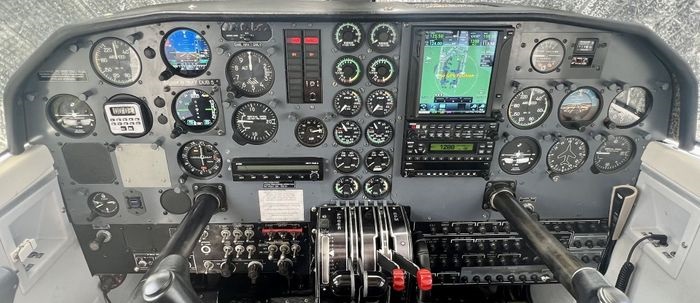
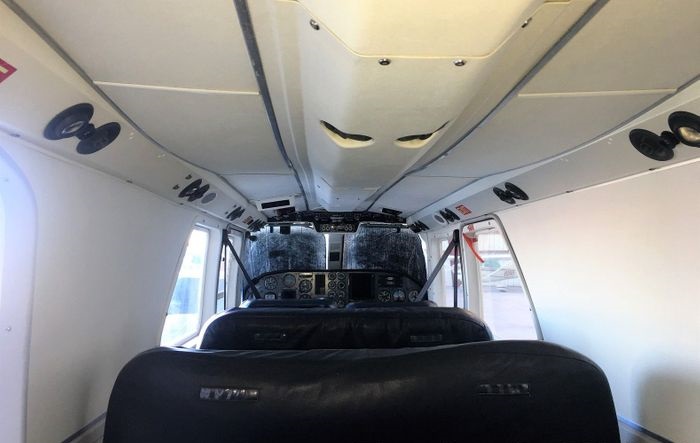
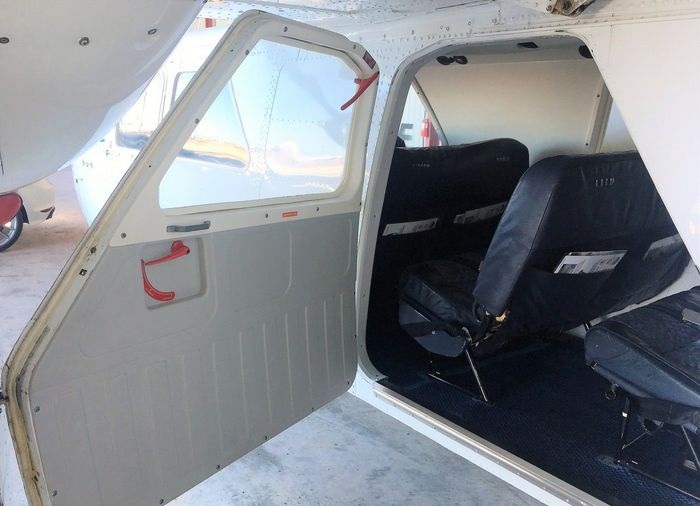
The Britten-Norman BN-2 Islander is one of the most versatile and commercially successful light transport aircraft ever built in the United Kingdom. Since entering service in 1967, the Islander has proven itself in some of the most demanding short-haul environments on earth — from Scottish island-hopping routes and Caribbean inter-island services to bush operations in Africa, the Pacific, and the Amazon Basin. Its twin-engine reliability, exceptional short-field performance, and spacious cabin capacity for up to nine passengers make it an outstanding choice for commuter operators, cargo carriers, medevac services, and private owners. Britten-Norman BN-2 Islander aircraft for sale appear regularly on the global market, and Airplane Trade connects sellers and buyers worldwide with verified listings and full specifications.
The Islander was conceived in the mid-1960s by John Britten and Desmond Norman as a rugged, practical, and economical replacement for the de Havilland Dragon Rapide on short-haul feeder routes. The prototype first flew on 13 June 1965, and Britten-Norman received overwhelming interest from operators around the world who needed a reliable twin capable of operating from unprepared strips. Production began at Bembridge on the Isle of Wight, and the Islander went on to become one of the best-selling British commercial aircraft of all time. More than 1,200 BN-2 Islanders were built over a production run spanning several decades, and the type remains in active production today under the ownership of Britten-Norman Ltd. The military patrol variant, designated the BN-2T Defender, extends the platform's capabilities with surveillance equipment, hardpoints for stores, and turboprop engines. A stretched three-engine variant — the BN-2A Mk III Trislander — added a third engine on the tail fin and could carry up to 17 passengers, serving commuter routes in the Caribbean, Channel Islands, and Australia.
Few aircraft in its class match the Islander's combination of robust simplicity, multi-mission adaptability, and low operating costs. The fixed undercarriage eliminates retraction system maintenance concerns, and both Lycoming engines are among the most thoroughly proven powerplants in general aviation with excellent parts availability worldwide. The slab-sided, high-wing design provides excellent downward visibility for aerial survey, patrol, and photography work. The wide rear cargo door allows bulky loads to be loaded easily, and the flat cabin floor is ideal for stretcher-equipped medevac configurations. For island-hopping commuter operations, the Islander's twin-engine certification provides the regulatory twin-engine requirement while keeping fuel burn modest — typically 24–28 gallons per hour for both engines combined.
When evaluating BN-2 Islander aircraft for sale, prospective buyers should consider the following:
Airplane Trade is the premier global marketplace for twin-engine light transports and commuter aircraft including the Britten-Norman Islander BN-2, BN-2A, BN-2B, and BN-2T Turbine Islander. Browse current listings from private sellers, fleet operators, and specialist dealers worldwide. Each listing features full specifications, detailed photo galleries, and direct seller contact. Whether you are expanding a commuter fleet, setting up a medevac or charter operation, or adding a capable and economical twin to your private hangar, Airplane Trade makes it simple to find the right BN-2 Islander for your mission.