Commander 690 Series for Sale — Buy or Sell a Rockwell Commander Turboprop Worldwide
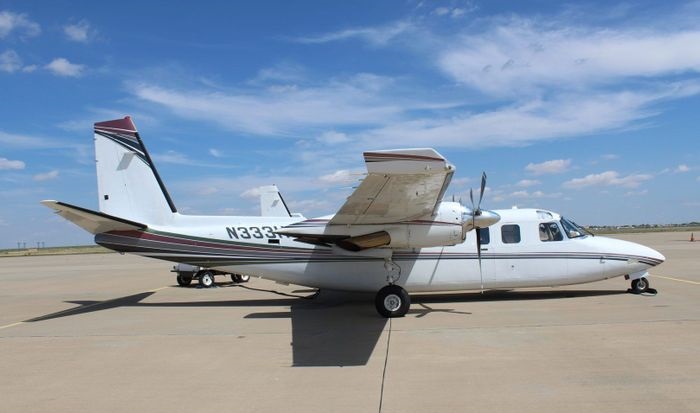
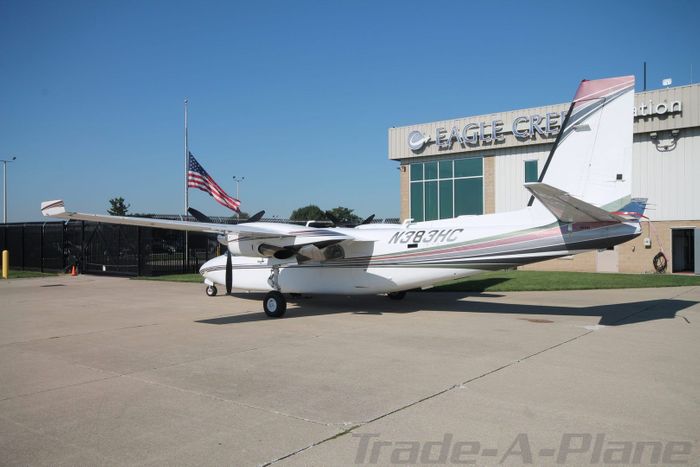
The Commander 690 Series — encompassing the Rockwell Commander 690, 690A, 690B, 690C, 690D, and related variants — represents one of the most sophisticated and capable twin-turboprop executive aircraft ever produced in the United States. Combining a sleek, low-wing pressurised cabin design with powerful Garrett (now Honeywell) TPE331 turboprop engines, the Commander 690 family delivers outstanding speed, high-altitude capability, and genuine comfort for up to six to eight passengers. Commander 690 aircraft for sale attract serious buyers who appreciate the type's performance credentials, its excellent operating economics relative to comparable jets, and the prestige of flying one of the most stylish turboprops of its era. Airplane Trade connects buyers and sellers of Commander 690 aircraft worldwide.
History of the Commander 690 Series
The Commander 690 traces its lineage to the Aero Commander line of twin-engine piston aircraft produced by Aero Design and Engineering Company from the early 1950s. Following Rockwell International's acquisition of the Aero Commander division in 1965, the company progressively developed a turboprop variant — the Turbo Commander — that entered service in 1972 as the Model 690. Powered by two Garrett AiResearch TPE331-5 engines producing 717 shp each, the Commander 690 offered a remarkable combination of speed (over 290 knots at altitude), pressurised comfort, and twin-engine safety in a platform considerably less expensive to acquire and operate than a comparable jet aircraft. Rockwell refined the design through a succession of variants — the 690A, 690B, 690C (Jetprop Commander 840), and 690D (Jetprop Commander 900) — progressively increasing engine power, useful load, and range. Production continued through 1985, and the Commander 690 family enjoys a loyal following among turboprop enthusiasts and serious business aviation operators to this day.
Commander 690 Variants
- Commander 690 (1971–1975) — Original production variant; two Garrett TPE331-5-251K engines, 717 shp each; pressurised six-seat cabin; retractable tricycle undercarriage; cruise speed 275 knots.
- Commander 690A (1975–1979) — Upgraded TPE331-5-252K engines, 717 shp; improved hot-and-high performance; increased MTOW; minor interior refinements; the most common variant on the used market.
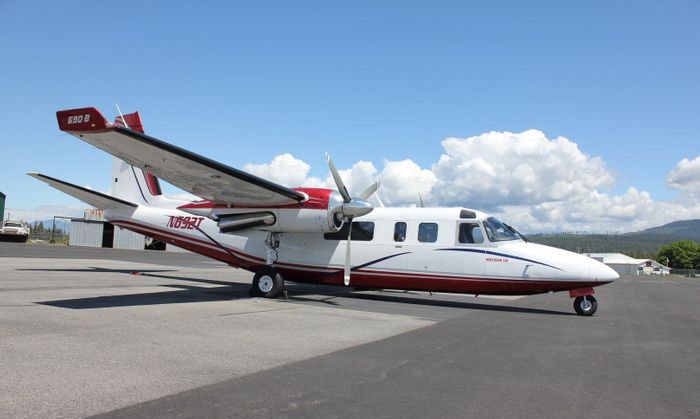
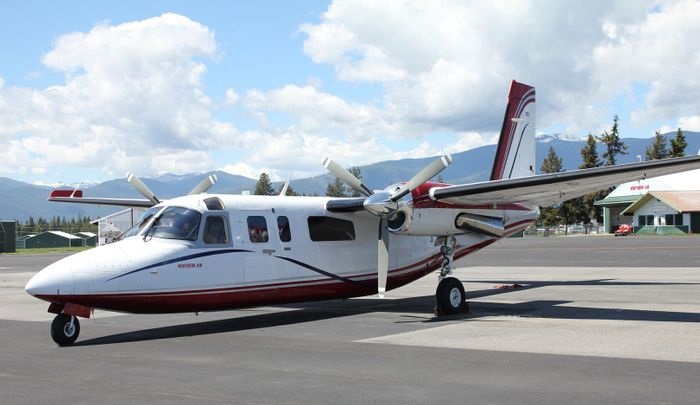
- Commander 690B (1976–1979) — Further refinements; improved fuel system; enhanced avionics provisions; popular among owner-operators.
- Commander 690C Jetprop 840 (1979–1981) — Garrett TPE331-5-251K engines, 840 shp; significantly improved performance; redesigned cowlings; increased useful load; "Jetprop 840" branding.
- Commander 690D Jetprop 900 (1982–1985) — TPE331-10-511K engines, 900 shp each; maximum cruise speed approximately 305 knots; improved pressurisation; final and most capable variant of the 690 series.
Performance — Commander 690B
- Engines — Two Garrett TPE331-5-252K, 717 shp each
- Maximum Speed — 310 mph (270 knots / 499 km/h)
- Cruise Speed — 287 mph (249 knots / 462 km/h) at 25,000 ft
- Range — 1,525 miles (2,453 km) with standard fuel
- Service Ceiling — 31,000 ft (9,449 m)
- Rate of Climb — 2,800 ft/min (sea level, MTOW)
- MTOW — 10,325 lb (4,683 kg)
- Cabin Pressurisation — 5.5 psi differential; sea-level cabin to 16,000 ft equivalent at FL310
- Seating — Pilot + up to 7 passengers
Why Pilots Choose the Commander 690
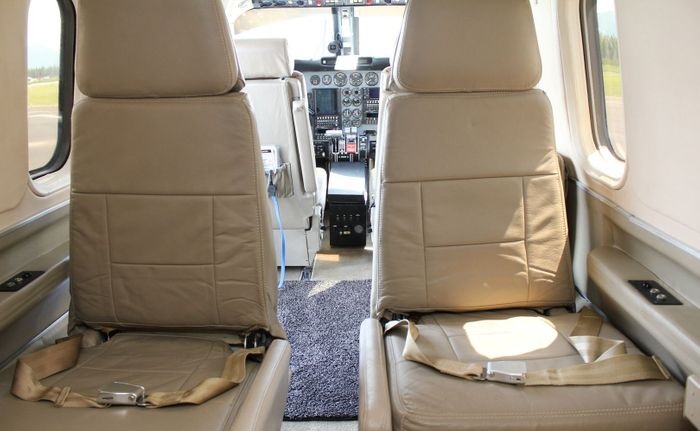
The Commander 690 series occupies a compelling niche in the turboprop market — it delivers performance and comfort that rivals or exceeds many light jets of its era, while operating on Jet-A fuel with the reliability and maintainability of proven Garrett turboprop engines. The TPE331 engine family is renowned for extremely fast spool-up times (making it feel more like a jet than most turboprops), very low vibration, and impressive resistance to foreign object ingestion. The pressurised cabin allows the Commander 690 to cruise comfortably above weather at FL250–FL310, and the wide, low-slung fuselage provides a generous, club-seating-equipped cabin that makes it genuinely comfortable for coast-to-coast or transatlantic legs. Operating costs are typically one-third to one-half those of a comparable light jet, making the 690 an outstanding value proposition for owner-operators and small charter operations.
Buying a Commander 690 — Key Considerations
- Engine Condition (SMOH) — TPE331 engines have a published TBO of 3,600 hours; overhaul costs range from $150,000–$250,000 per engine; assess hours carefully and budget accordingly.
- Hot Section Inspection — Mandatory hot section inspections are required at 1,800-hour intervals; verify compliance and review reports for any unusual findings.
- Propeller Condition — The Commander 690 uses reversible-pitch propellers for ground maneuvering; inspect beta tube seals, prop governor, and blade erosion carefully.
- Pressurisation System — Inspect cabin door seals, outflow valve, and pressurisation controller; deferred maintenance on pressurisation components is common and can be expensive to rectify.
- Airframe Inspections — Review compliance with all applicable ADs, particularly those relating to the wing attach fittings and fuel system; obtain records of all major structural inspections.
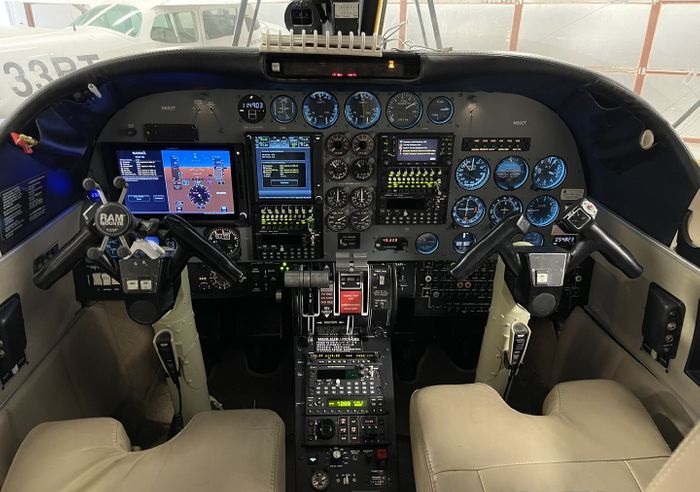
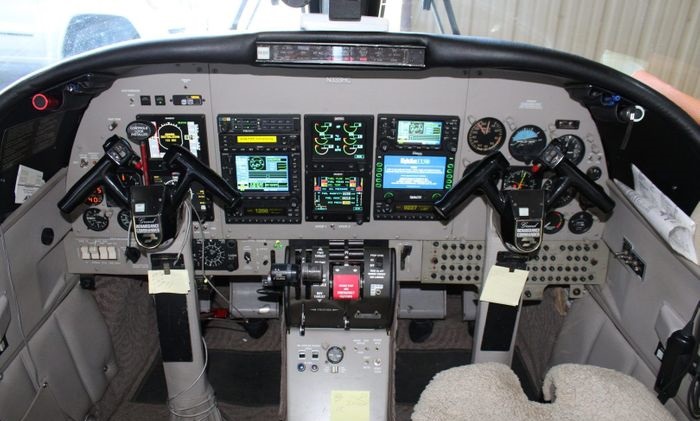
- Avionics — Many 690s have been updated with modern avionics; verify ADS-B out compliance and confirm the avionics suite meets your intended operational requirements.
Find Your Commander 690 on Airplane Trade
Airplane Trade is the premier global marketplace for twin-turboprop executive aircraft including the full Rockwell Commander 690 family — 690, 690A, 690B, Jetprop 840, and Jetprop 900. Browse verified listings from private owners, fleet operators, and specialist turboprop dealers across North America, Europe, and beyond. Each listing includes complete engine status, airframe hours, avionics specifications, and direct seller contact. Discover why the Commander 690 remains one of the most respected turboprops in its class, and find your perfect aircraft on Airplane Trade today.