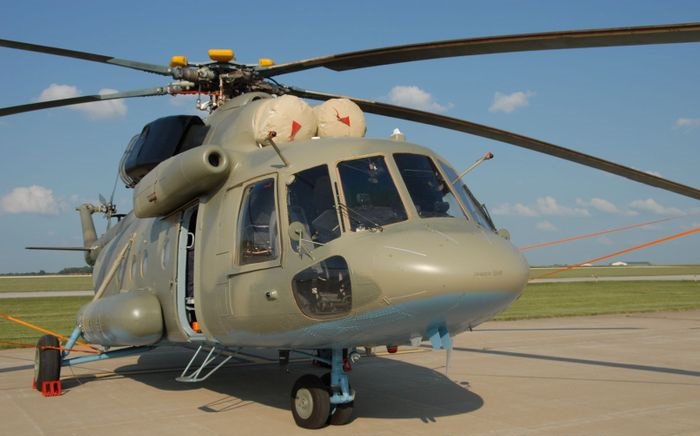
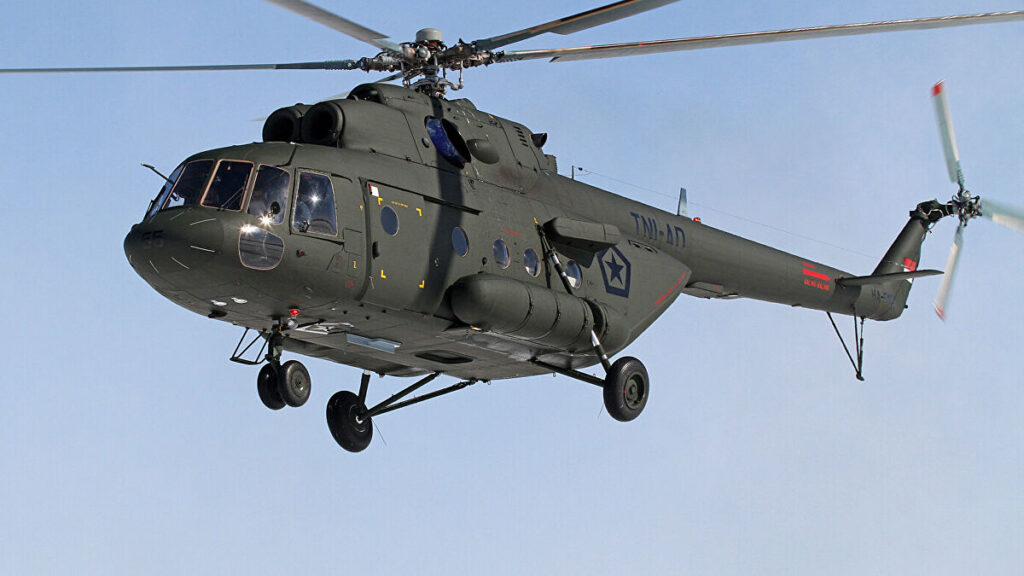
Mil Mi-17 Hip Series Helicopters for Sale — The World's Most Produced Medium Helicopter
No helicopter in history has been manufactured in greater numbers than the Mil Mi-8/Mi-17 family. With over 17,000 examples built since the early 1960s, the Mi-17 Hip has served in more countries and more roles than any other helicopter ever made — from Arctic scientific research stations to tropical jungle logging operations, from United Nations peacekeeping missions to commercial passenger routes across Siberia and Central Asia. The Mi-17 is the Soviet Union's answer to the medium helicopter requirement, and its combination of enormous payload capacity, rugged construction, and ability to operate in conditions that would ground more refined Western designs has made it the working helicopter of choice across much of the developing world and post-Soviet space.
Mi-17 vs Mi-8 — Understanding the Family
The Mi-17 designation covers export versions of the Mi-8 family fitted with upgraded turboshaft engines. While the original Mi-8 used two Klimov TV2-117 engines, the Mi-17 is typically powered by the more powerful Klimov TV3-117 series — the same engine family that powers the Mi-24 Hind attack helicopter — providing significantly better hot-and-high performance and payload capability. The family includes multiple variants optimized for different missions:
- Mi-8T / Hip-C — Original transport variant with clamshell rear doors and 24-28 passenger or equivalent cargo capacity.
- Mi-8MT / Mi-17 — Export-designated version with TV3-117 engines. The most common Mi-17 on the global market.
- Mi-17-1V / Mi-17V-5 — Modern production variants with uprated engines, updated avionics, and improved systems. Still in production at Kazan Helicopters in Russia.
- Mi-8AMT / Mi-171 — Ulan-Ude production variant with various powerplant and systems options, widely exported to Asia and Latin America.
- Mi-17 Salon — VIP-configured variant with luxury interior for government and executive transport missions.
Payload and Capability
The Mi-17's defining characteristic is its extraordinary payload capacity relative to its size. With a maximum internal load of approximately 4,000 kg and an external sling load capacity of up to 5,000 kg, the Mi-17 can carry payloads that no Western helicopter of comparable overall size can match. The rear clamshell doors allow vehicles, large equipment items, and palletized cargo to be driven or forklift-loaded directly into the cabin. This payload capability, combined with the ability to operate from unprepared grass or dirt landing zones without ground support equipment, has made the Mi-17 indispensable for humanitarian operations, construction projects, and resource extraction in remote locations.
Acquisition Considerations
Buying a Mil Mi-17 requires understanding its specific maintenance ecosystem. Parts are sourced from Russian and Eastern European suppliers, and maintenance should be performed by organizations with specific Mi-17 type approval. Export and import regulations — including end-user certificate requirements for military-heritage examples — must be carefully reviewed for any international transaction. Operators in markets with established Mi-17 fleets will find maintenance support more accessible than those pioneering the type in new markets. The Mi-17's operating economics are compelling in markets where it is well-supported, with fuel-per-tonne-kilometer figures that make it highly competitive against Western medium turbines for heavy utility missions.
Find Your Mil Mi-17 on Airplane Trade
Airplane Trade lists Mil Mi-8 and Mi-17 Hip series helicopters from verified sellers worldwide — cargo variants, VIP Salon configurations, military surplus examples, and active commercial fleet aircraft. Browse our Mi-17 listings to find the variant and configuration that matches your operational requirements, and connect directly with sellers who provide complete technical and compliance documentation for these exceptional medium helicopters.