Mitsubishi MU-2 Series for Sale — Buy or Sell MU-2 Twin Turboprop Aircraft Worldwide
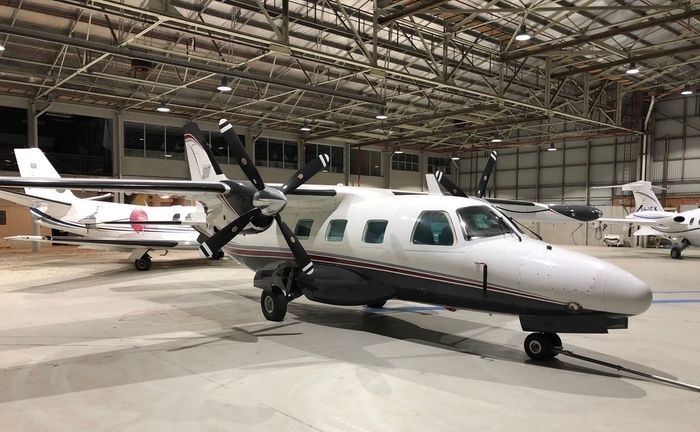
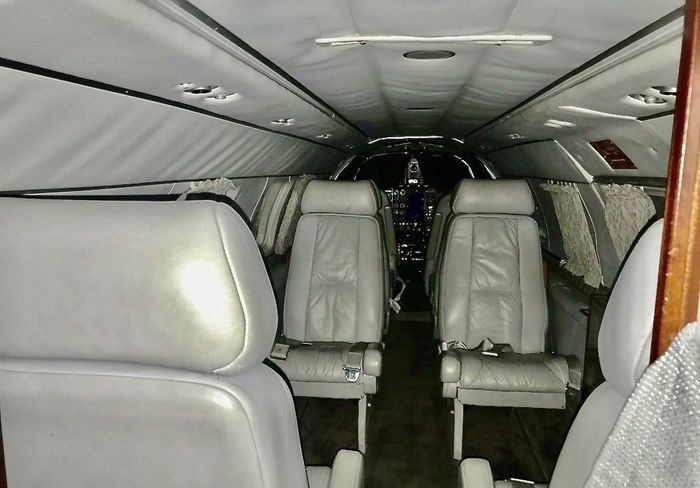
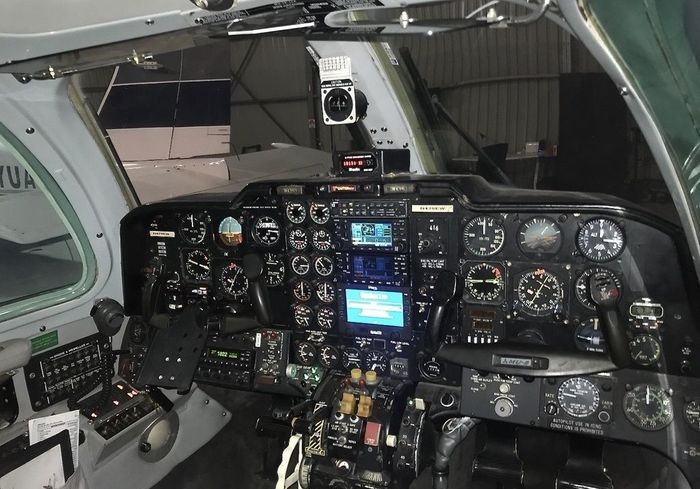
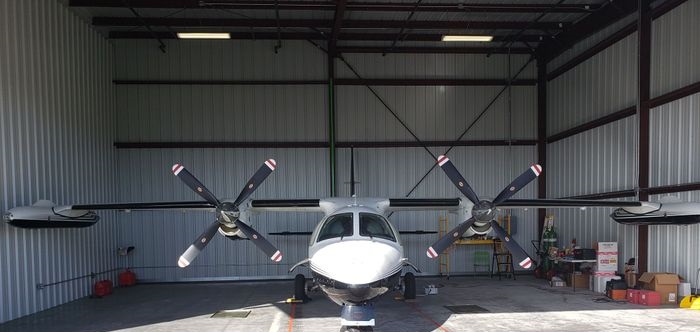
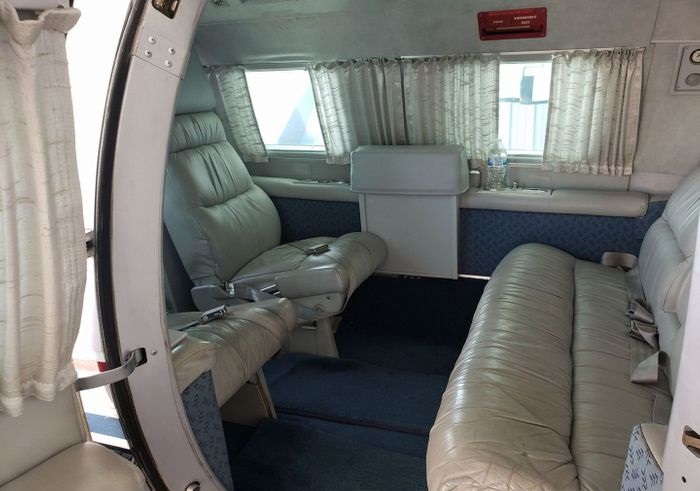
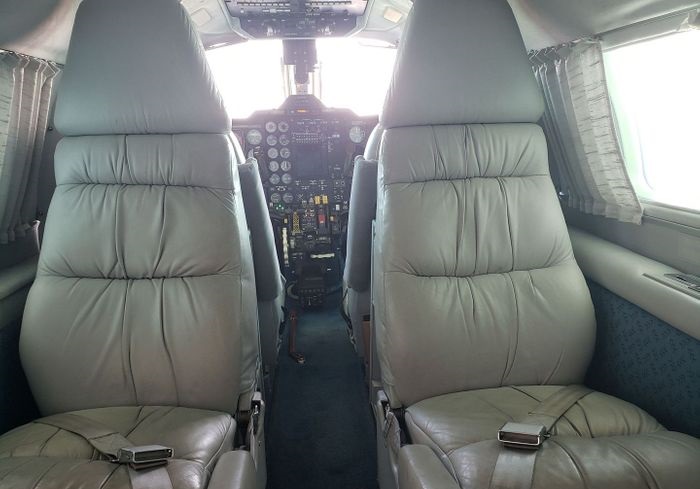
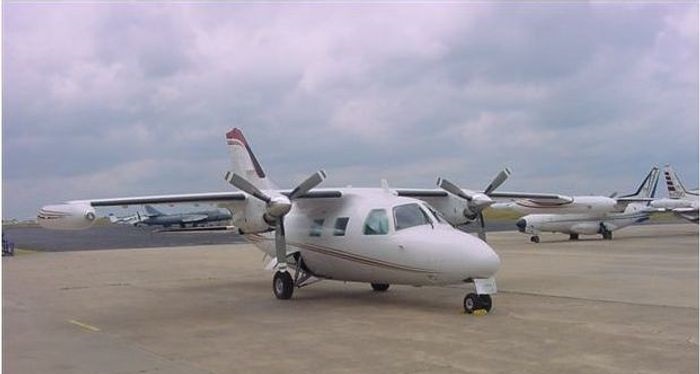
The Mitsubishi MU-2 Series encompasses the full family of twin-turboprop aircraft produced by Mitsubishi Aircraft International between 1963 and 1986 — one of the most capable, fastest, and most distinctively designed business turboprops in aviation history. From the short-body MU-2B Solitaire to the stretched MU-2B-60 Marquise, the MU-2 family spans a range of configurations and performance levels united by the same aerodynamically sophisticated design philosophy: full-span double-slotted flaps, spoileron roll control, powerful Garrett TPE331 engines, and a pressurised cabin built for serious cross-country performance. Mitsubishi MU-2 aircraft for sale are consistently sought after by experienced owner-pilots who value raw speed, range, and pressurised comfort at a fraction of the cost of a comparable jet. Airplane Trade is the leading global marketplace for the complete MU-2 family.
The MU-2 Family — A Full Range of Variants
Mitsubishi developed the MU-2 series through a long succession of progressive refinements spanning more than two decades of production. The early short-body variants established the aircraft's reputation for exceptional speed and handling; the later long-body models added cabin volume and passenger capacity without sacrificing the performance that defines the MU-2 brand. All variants share the fundamental design features that make the MU-2 unique: the full-span high-lift flap system that allows the clean, low-drag wing to operate efficiently at cruise while still delivering manageable approach speeds; the spoileron lateral control system that provides crisp, responsive roll authority; and the Garrett TPE331 engines that deliver jet-like power and spool-up response.
MU-2 Short-Body Variants
- MU-2B (original) — The founding variant; two Garrett AiResearch TPE331-25A engines, 605 shp each; 7 seats; produced from 1965; now rare on the market.
- MU-2B-10 / MU-2B-15 — Upgraded engines; improved avionics provisions; increased MTOW; built primarily for the Japanese domestic market and early export customers.
- MU-2B-20 / MU-2B-25 Solitaire — Standardised short-body production variant; TPE331-6-252M engines, 717 shp each; pressurised for 6 passengers; the most common short-body variant in North America.
- MU-2B-26 / MU-2B-26A Solitaire — Improved avionics, updated engine inlets, and systems refinements; still the short-body configuration.
- MU-2B-36 / MU-2B-36A Solitaire — Later short-body variant; TPE331-10-501M engines; improved performance; the final and most capable short-body production configuration.
MU-2 Long-Body Variants
- MU-2B-30 / MU-2B-35 Marquise — Long-body version with stretched fuselage; 8 seats; TPE331-6-252M engines; good performance with expanded cabin volume.
- MU-2B-40 Marquise — Updated long-body; refined systems; improved cabin appointments; increasing avionics capability.
- MU-2B-60 Marquise — Ultimate long-body twin; TPE331-10-501M engines, 778 shp each; maximum cruise speed 313 knots; the most powerful and sought-after twin MU-2 variant; commands the highest prices on the used market.
Performance — MU-2B-25 Solitaire (Short Body)
- Engines — Two Garrett TPE331-6-252M, 717 shp each
- Maximum Speed — 340 mph (295 knots / 547 km/h)
- Cruise Speed — 299 mph (260 knots / 481 km/h) at 25,000 ft
- Range — 1,500 miles (2,414 km) with standard fuel
- Service Ceiling — 29,000 ft (8,840 m)
- Rate of Climb — 2,600 ft/min (sea level, MTOW)
- MTOW — 10,470 lb (4,749 kg)
- Cabin Pressurisation — 5.5 psi differential
- Seating — Up to 7 passengers
The MU-2 Safety Record and Training Requirements
The MU-2's performance characteristics — particularly its fast approach speeds resulting from the spoileron control system and the energy management demands of the clean aerodynamic design — led to a disproportionate accident rate in the 1970s and early 1980s among pilots who transitioned to the type without adequate training. The FAA responded by developing comprehensive Special Training Requirements (STR) for all MU-2 pilots, implemented under SFAR 108, which mandates specific ground and flight training from an approved provider before acting as pilot-in-command. Since the implementation of these requirements in 2008, the MU-2's accident rate has dropped dramatically and now compares favourably with other complex twin turboprops. Properly trained MU-2 pilots consistently report that the aircraft is highly capable and manageable when flown with appropriate technique and respect for its operating envelope.
Buying a Mitsubishi MU-2 — Key Considerations
- SFAR 108 Compliance — All pilots acting as PIC of an MU-2 in the US must comply with SFAR 108 Special Training Requirements; ensure you are enrolled in or have completed an approved training programme.
- Engine Hours and Condition — TPE331 engines (various sub-variants across the MU-2 family) have TBOs of 3,500–3,600 hours; overhaul costs $150,000–$250,000 per engine; assess carefully.
- Flap and Spoileron System Inspection — The full-span flap actuators, tracks, and spoileron linkages require careful inspection; rigging must be precisely correct for safe operation.
- Fuel System — The MU-2's fuel system is complex with multiple tanks and transfer pumps; verify all components function correctly and review any modification history.
- Parts Availability — Mitsubishi Aircraft International continues to support the fleet; Garrett (Honeywell) engine parts are widely available; airframe parts may require sourcing from specialist suppliers or salvage operations.
Find Your Mitsubishi MU-2 on Airplane Trade
Airplane Trade is the premier global marketplace for the complete Mitsubishi MU-2 Series — from short-body Solitaires to the powerful long-body Marquise. Browse verified listings from experienced owner-pilots, corporate flight departments, and specialist dealers across North America, Europe, and Japan. Each listing includes full engine status, variant specifications, and direct seller contact. Find your MU-2 on Airplane Trade and experience one of the most thrilling twin turboprops ever built.