There is no other aircraft in production that looks — or performs — quite like the
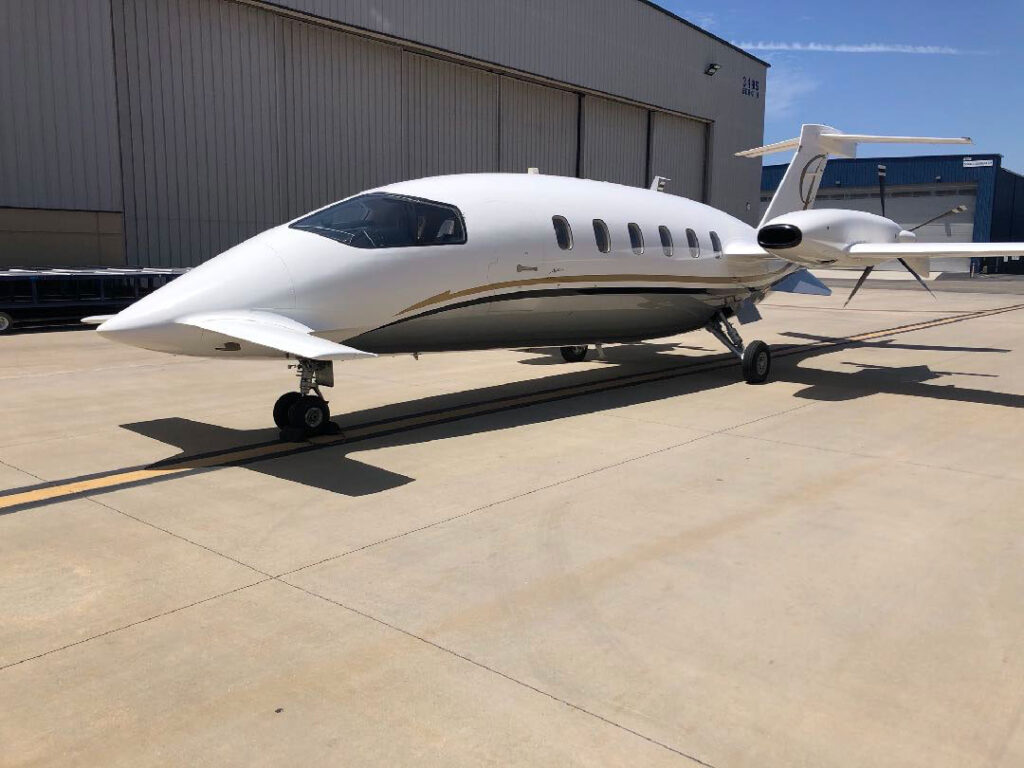
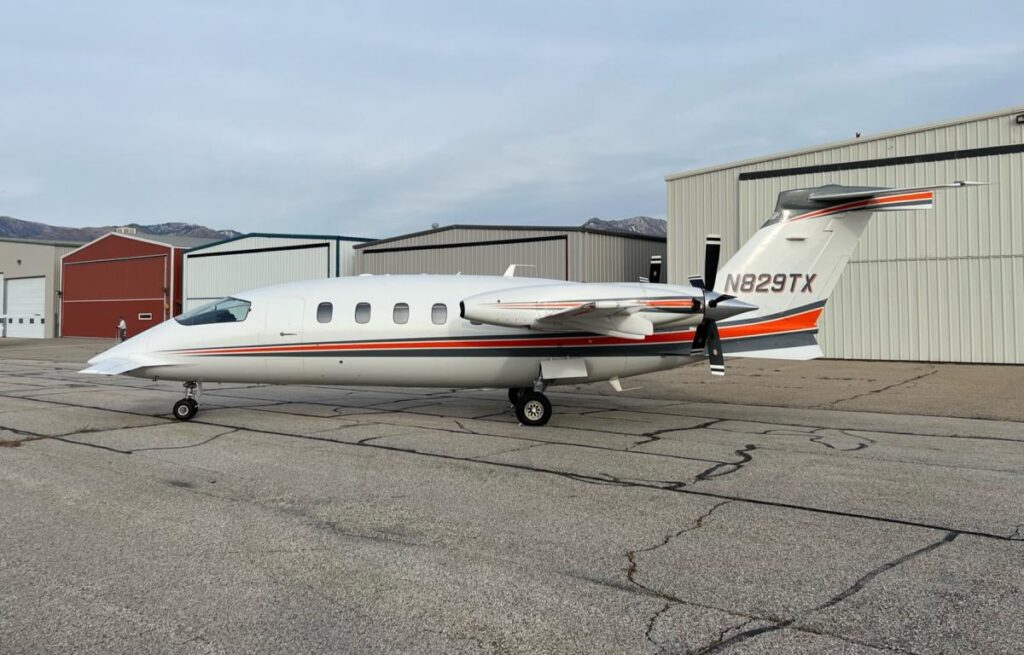
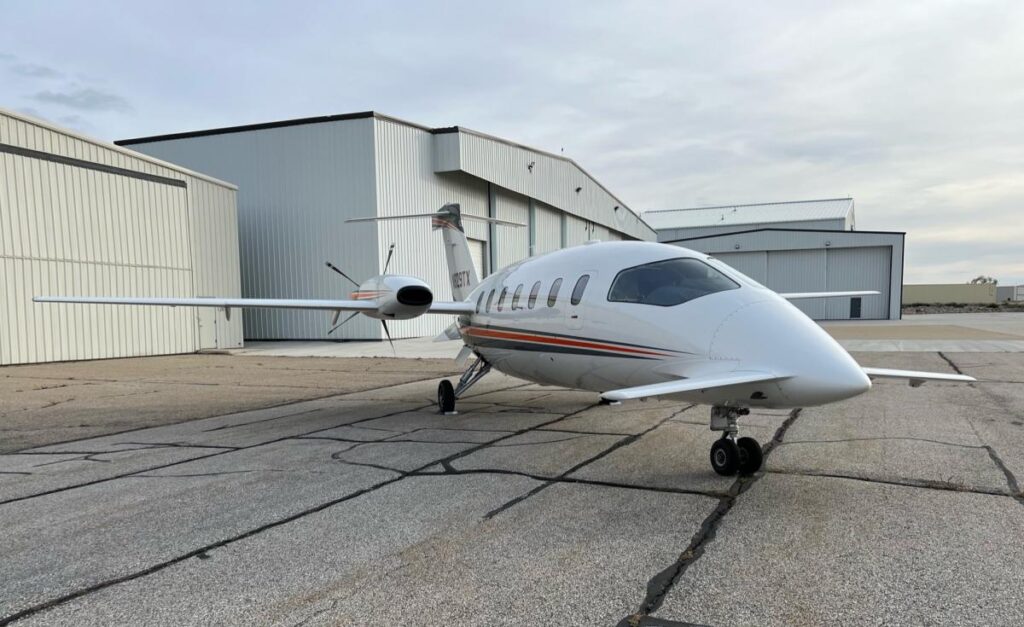
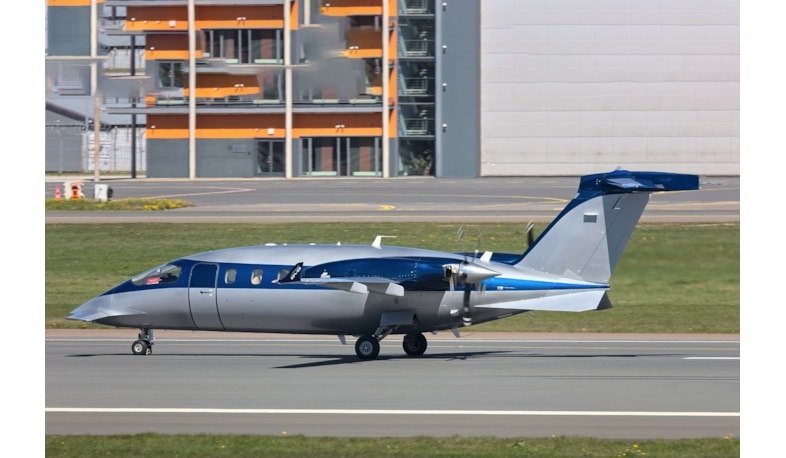
Piaggio P180 Avanti. With its canard foreplane, pusher propellers, and T-tail, the Avanti defies every visual convention of turboprop design. But this is far more than style: the P180's three-surface aerodynamic configuration makes it the
fastest certified civilian propeller-driven aircraft in the world, with speeds that rival entry-level light jets while burning a fraction of the fuel.
Since its first delivery in 1991, Piaggio has produced approximately 250 Avanti airframes across three generations — the original P180, the Avanti II, and the Avanti EVO. All 213 active examples are flying today, a testament to the design's durability. If you're searching for a Piaggio P180 Avanti for sale, this guide covers everything you need to know: full specifications for all three variants, current market prices, operating costs, and the unique ownership considerations this Italian thoroughbred demands.
Piaggio P180 Avanti — Full Specifications by Variant
| Specification |
P180 Avanti
(1991–2005) |
Avanti II
(2005–2014) |
Avanti EVO
(2014–present) |
| Engines |
PT6A-66 |
PT6A-66B |
PT6A-66B |
| Engine Power (each) |
850 shp |
850 shp |
850 shp |
| Max Cruise Speed |
390 KTAS |
402 KTAS |
400+ KTAS |
| Long-Range Cruise |
314 KTAS |
314 KTAS |
345 KTAS |
| Range (seats full, NBAA IFR) |
955 nm |
1,364 nm |
1,470–1,809 nm |
| Service Ceiling |
41,000 ft |
41,000 ft |
41,000 ft |
| Max Takeoff Weight |
11,550 lb |
12,100 lb |
12,100 lb |
| Passengers (typical) |
6–7 |
6–9 |
7–9 |
| Cabin Length |
14 ft 11 in |
14 ft 11 in |
17 ft 6 in |
| Cabin Height |
5 ft 10 in |
5 ft 10 in |
5 ft 10 in |
| Cabin Width |
6 ft 1 in |
6 ft 1 in |
6 ft 1 in |
| Takeoff Distance (balanced field) |
3,022 ft |
3,500 ft |
3,412 ft |
| Landing Distance |
3,475 ft |
4,417 ft |
3,373 ft |
| Avionics (standard) |
Pro Line II |
Pro Line 21 |
Garmin G1000 NXi |
| Crew Required |
1–2 pilots |
1–2 pilots |
1–2 pilots |
Piaggio P180 Variants Explained
P180 Avanti — The Original (1991–2005)
The original P180 Avanti entered service in September 1991 after a development program that stretched back to 1979 and famously included a collaboration with Gates Learjet from 1983 to 1986. The first prototype flew on September 23, 1986; Italian certification was granted in March 1990 and FAA certification followed in October 1990.
The original P180 used PT6A-66 engines flat-rated to 850 shp in a pusher configuration — the engines are mounted on the wing facing rearward, with the propellers behind the wing trailing edge. This unconventional layout, combined with the three-surface aerodynamic design (canard + main wing + T-tail), eliminated the traditional compromise between speed and efficiency. The result was a turboprop capable of 390 KTAS cruise — faster than most light jets of the era.
Production of the original P180 halted in the mid-1990s due to slow sales, then restarted in 2000 after a group of investors including Piero Ferrari (of the Ferrari automotive family) took control of the company. Roughly 89 original P180 examples were eventually delivered. Most have now been superseded by the Avanti II in the active fleet, but original examples remain on the used market.
Avanti II — The Refined Generation (2005–2014)
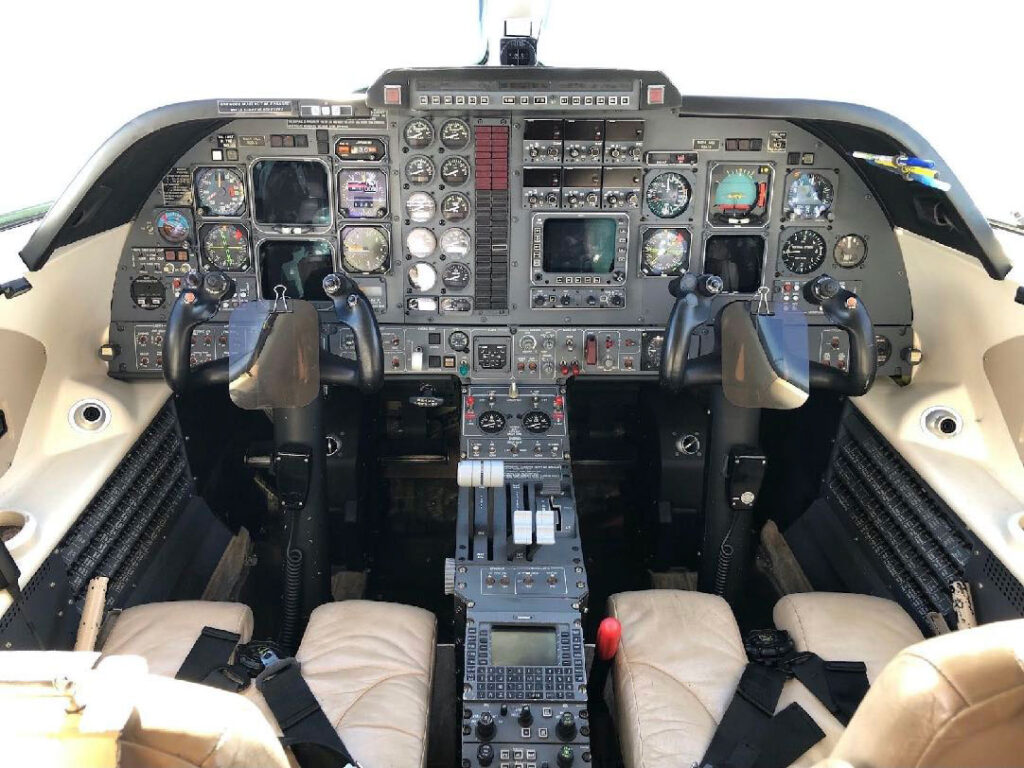
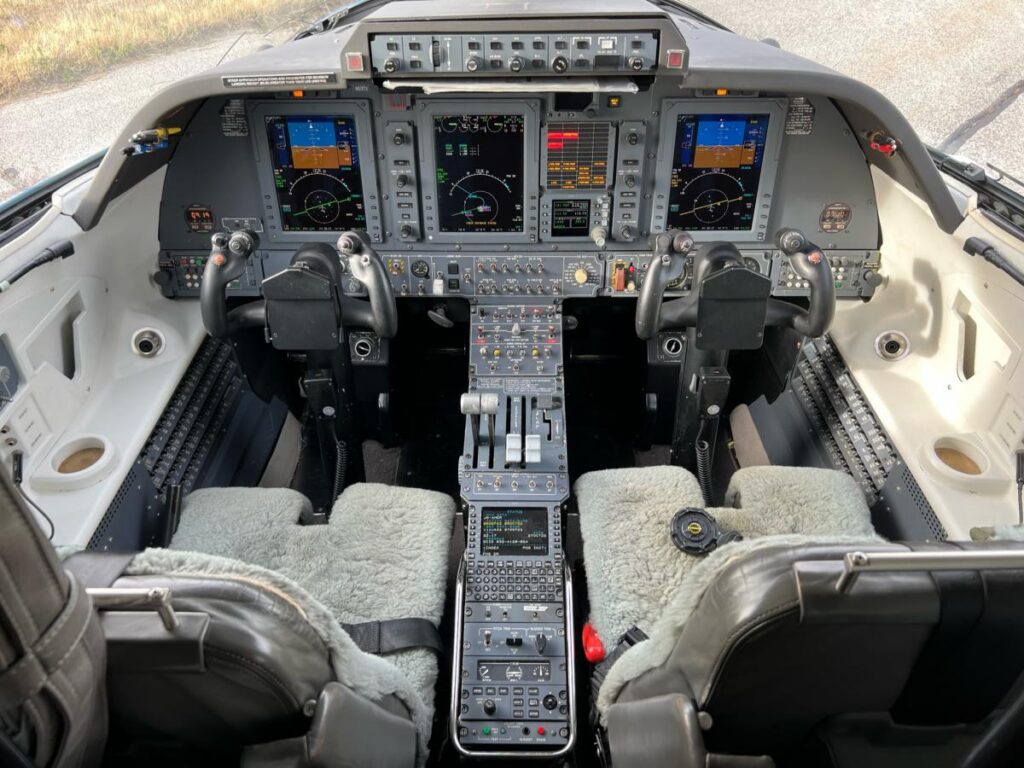
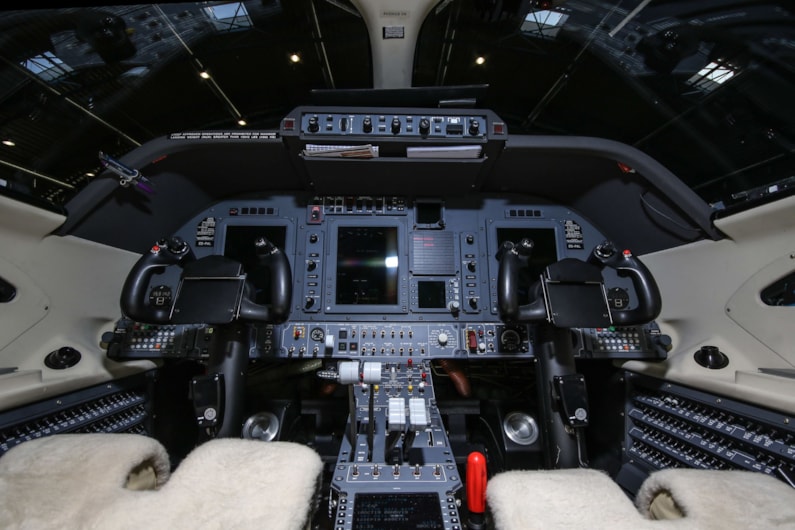
The Avanti II received EASA certification in October 2005 and entered service in December 2005. It is the most numerous variant in active service today, with 121 examples operating globally. Key improvements over the original P180 include upgraded PT6A-66B engines with higher interstage turbine temperature limits, an increase in MTOW to 12,100 lb, and the replacement of the original Pro Line II avionics with the Rockwell Collins Pro Line 21 glass cockpit.
The Avanti II increased maximum cruise speed to 402 KTAS and extended range significantly. Its canard flaps were redesigned to deploy automatically in concert with the main wing flaps, reducing pitch-down moments and improving handling characteristics during approach and landing. The Avanti II remains the core of the Piaggio used market and represents the best combination of availability, value, and support infrastructure within the P180 family.
Avanti EVO — The Current Model (2014–present)
The Avanti EVO was announced in 2014 and represents Piaggio's most significant update to the P180 design. Key changes include scimitar-shaped composite propellers that reduce noise and increase efficiency, new blended winglets on the main wing that improve range and cruise performance, a 60-gallon supplemental fuel tank option that pushes maximum range to 1,809 nm, and the Garmin G1000 NXi glass cockpit replacing the Collins Pro Line suite. The EVO also features a larger cabin entry door and an extended cabin on the EVO version, stretching to 17 ft 6 in — substantially more spacious than earlier variants.
The first EVO was delivered in 2016 from Piaggio's new €150 million factory at Albenga Airport. Piaggio Aerospace entered receivership in November 2018 following financial difficulties, but the Italian government intervened with approximately €716 million in defense and support contracts to sustain production. The Avanti EVO remains the only new-production option in the P180 family today, listed at $7.4 million.
The Avanti's Three-Surface Design: Why It Matters
Most prospective buyers encounter the Avanti's unusual appearance before they understand the engineering behind it. Understanding the design explains why the aircraft performs the way it does — and why it requires a different mindset from conventional turboprops.
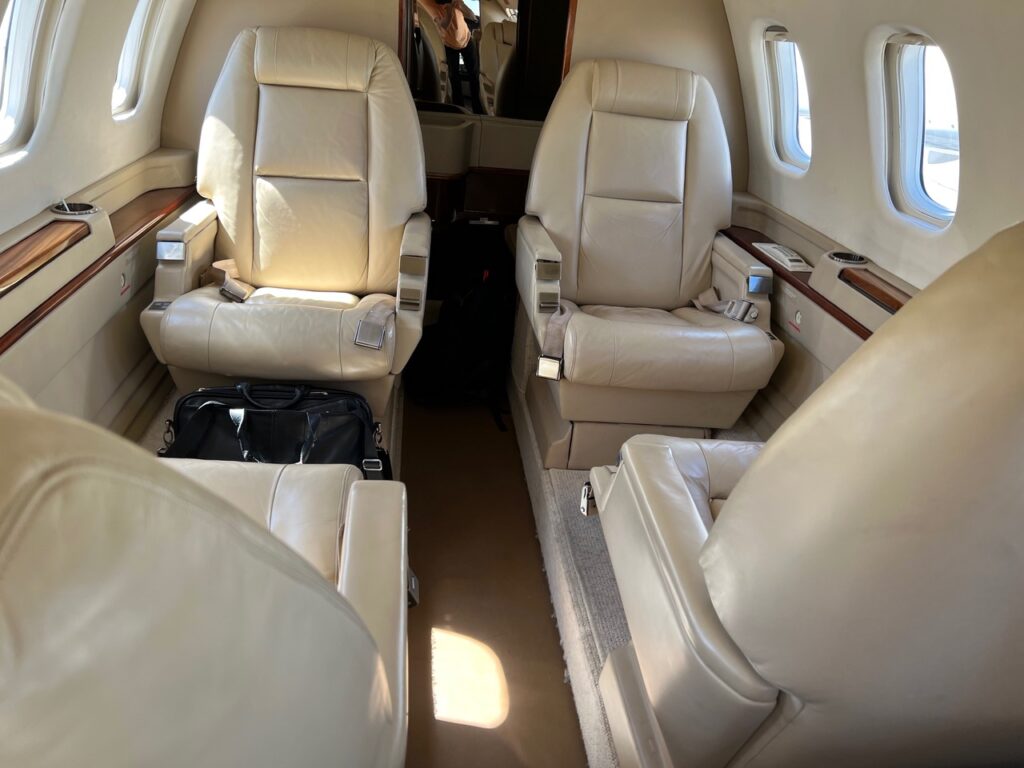
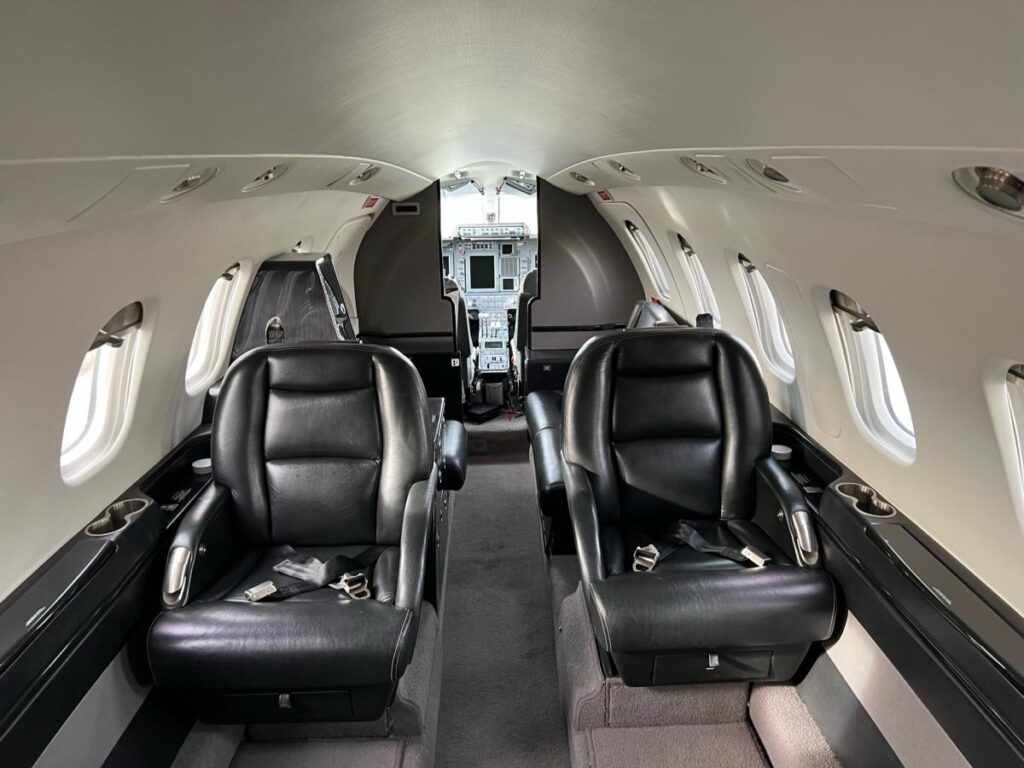
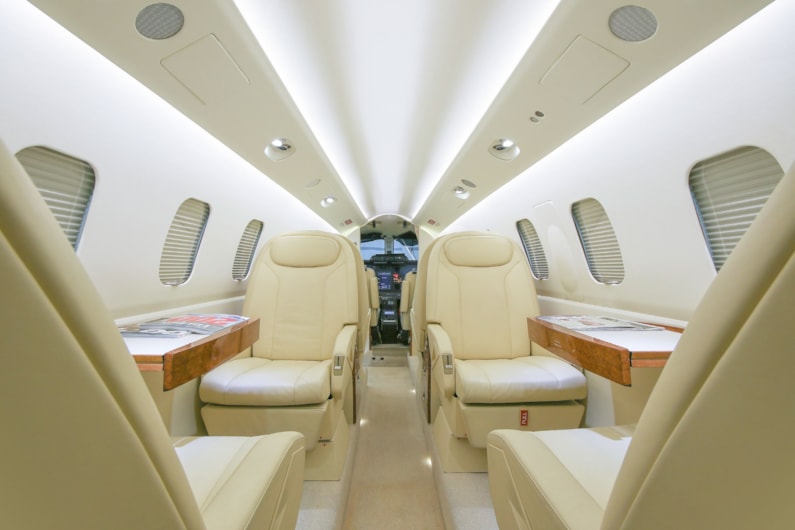
A conventional aircraft uses its horizontal tail to push down at the rear, counteracting the main wing's pitch-down tendency. This creates a negative lift component that the main wing must overcome — essentially carrying dead weight aerodynamically. The Avanti's canard foreplane generates positive lift instead, working with the main wing rather than against it. This allows the main wing to be smaller and positioned further aft on the fuselage, clearing the entire cabin section of wing spars. The result is an unobstructed cabin cross-section unusually wide and tall for an aircraft in this weight class — comparable to midsize jets in passenger volume.
The pusher propeller configuration places the PT6A engines aft of the cabin with propellers behind the wing trailing edge. This moves all propeller-generated vibration and noise behind the cabin rather than alongside it, making the Avanti one of the quietest turboprops in operation from a passenger perspective. Piaggio's acoustic blanketing builds on this inherent structural advantage. The design also reduces cabin-ingested propeller wash, improving air quality and reducing noise fatigue on long missions.
The combined effect — three lifting surfaces, pusher props, optimized wing location — gives the Avanti its aerodynamic efficiency. Piaggio claims up to 40% better fuel efficiency than competing light jets at similar speeds, and the FAI has officially certified the P180 as the world's fastest civilian propeller-driven aircraft at 500.8 knots in record configuration.
Piaggio P180 Avanti: Current Price Guide
| Variant / Year |
Typical Market Price |
Notes |
| P180 Avanti (1990–1995) |
$875,000 – $1,200,000 |
Oldest fleet; budget for avionics upgrades and engine reserves |
| P180 Avanti (1996–2005) |
$1,200,000 – $1,800,000 |
Post-restart production; stronger support network |
| Avanti II (2005–2010) |
$2,000,000 – $2,800,000 |
Pro Line 21 avionics; best value-to-capability ratio |
| Avanti II (2010–2014) |
$2,500,000 – $3,500,000 |
Latest Avanti II production; most sought-after used examples |
| Avanti EVO (2014–2020) |
$4,000,000 – $6,500,000 |
Scimitar props, winglets, G1000 NXi, extended cabin on later EVO |
| Avanti EVO (new, 2021–present) |
$7,400,000 |
List price Q2 2024; factory-new with full warranty |
What drives Avanti pricing: Engine time remaining to overhaul is the dominant factor — budget up to $300,000–$400,000 per engine for PT6A-66 series overhaul. Avionics configuration matters significantly: Avanti II aircraft with Pro Line 21 command a premium over earlier Pro Line II examples. Enrollment in Pratt & Whitney's Eagle Service Plan or equivalent engine maintenance program adds to purchase price but eliminates overhaul cost uncertainty. Physical condition of the pusher propellers and their hubs — which are in an unusual trailing position and experience different wear patterns than conventional configurations — should be specifically assessed.
Piaggio Avanti Operating Costs
The Avanti's economics depend heavily on how many hours per year the aircraft is flown. Its fixed costs — insurance, crew, hangar — are similar to competing turboprops, but its variable costs, particularly engine maintenance reserves, run higher than the King Air 200 series due to the more complex PT6A-66 series and the relatively smaller operator fleet.
| Cost Category |
Annual (450 hrs) |
Per Hour |
| Fuel (Jet-A, ~52 gal/hr, $7/gal) |
~$164,000 |
~$364 |
| Engine reserves / maintenance |
~$500,000 |
~$1,100 |
| Airframe scheduled maintenance |
~$80,000–120,000 |
~$220 |
| Insurance |
~$30,000–60,000 |
~$90 |
| Hangar |
~$30,000–60,000 |
~$90 |
| Crew |
$80,000–160,000 |
~$260 |
| Total Annual Budget (450 hrs) |
~$900,000–$1,200,000 |
~$2,000–$2,700/hr |
The Avanti's operating economics are most competitive on short to medium segments at high utilization. At 400+ knots cruise, the aircraft completes city pairs in times that comfortably challenge light jets — but it does so at a lower per-hour fuel burn. Charter rates for the Avanti start at around $2,400 per hour, reflecting its positioning as a premium turboprop with near-jet performance. For lower annual utilization (200 hours or less), annual budgets reduce proportionally into the $600,000–$800,000 range.
Why Operators Choose the Piaggio P180 Avanti
The World's Fastest Certified Civilian Propeller Aircraft
No other production turboprop matches the Avanti's speed. At 400+ KTAS, the Avanti comfortably outpaces the King Air 350 (312 KTAS), Pilatus PC-12 (285 KTAS), and even keeps pace with entry-level light jets like the Cessna Citation M2 on shorter segments.
Flying Magazine called the P180 the "fastest civilian turboprop twin" — a distinction it has held for decades. For time-conscious operators where block speed is the primary metric, the Avanti's performance is simply unmatched among turboprops.
Midsize Jet Cabin in a Turboprop Airframe
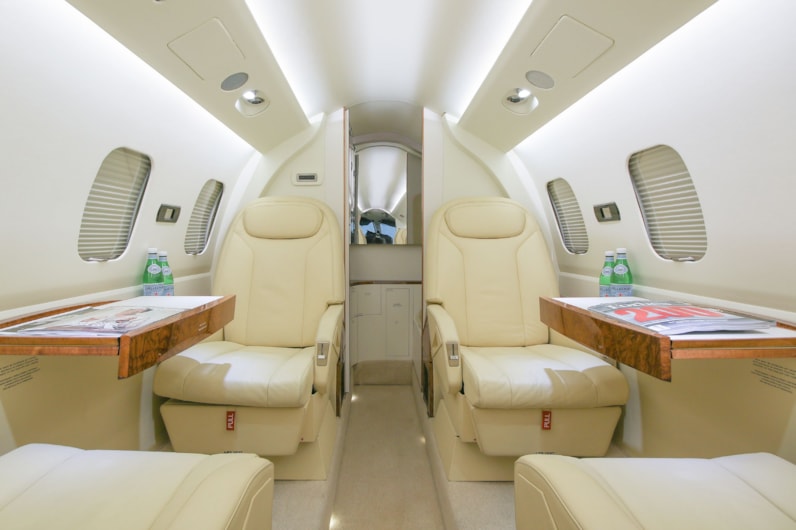
The 6 ft 1 in cabin width and 5 ft 10 in stand-up height give the Avanti a cabin cross-section comparable to many midsize jets — specifically, wider and taller than most light jets. The three-surface wing design places the main wing spar behind the cabin, giving passengers an unobstructed interior free of the prominent wing box intrusions found in conventional aircraft. A typical layout seats six passengers in club configuration with a two-seat divan, all in a genuinely spacious environment. Italian-designed interiors featuring Spinneybeck leather, custom silk carpets, and subtle LED lighting maintain the aircraft's aesthetic reputation.
Turboprop Economics, Jet Performance
Piaggio claims the Avanti is up to 40% more fuel-efficient than comparable light jets. At cruise, the PT6A engines run at optimized fuel flow for the speed being achieved — delivering direct operating costs closer to the King Air family than to the jets it competes with on speed. For operators who need to justify the economics of high-speed travel without a light jet's acquisition cost or fuel bills, the Avanti occupies a genuinely unique market position.
41,000-Foot Ceiling
The Avanti's 41,000-foot service ceiling exceeds the King Air 200's 35,000-foot limit and is comparable to certified jet operations. At FL410, the aircraft cruises above virtually all weather systems and commercial traffic, providing a smooth, predictable ride and efficient wind exploitation on longer sectors. This altitude capability is particularly valuable for transatlantic positioning and long-haul overwater operations where weather avoidance matters most.
Single-Pilot Certification
All P180 variants are certified for single-pilot IFR operation, reducing crew costs and giving owner-operators the flexibility to fly without a co-pilot requirement. The Avanti EVO's Garmin G1000 NXi glass cockpit with synthetic vision and advanced automation makes single-pilot operations particularly workload-appropriate on standard corporate missions.
Pre-Purchase Inspection: Avanti-Specific Considerations
The Avanti's unusual configuration introduces inspection considerations that don't apply to conventional turboprops. Any pre-purchase inspection must be conducted by a shop with specific Piaggio type experience — generic turboprop mechanics unfamiliar with the P180 will miss variant-specific issues.
Pusher propeller and hub condition. The Avanti's propellers operate in the engine exhaust stream and in an unusual aerodynamic environment compared to tractor configurations. Inspect blade condition, hub integrity, and propeller balancing records carefully. Propeller and hub replacement costs are higher for the P180 than for conventional turboprops due to lower parts volume.
Canard and foreplane condition. The canard carries aerodynamic load and is exposed to leading-edge impacts and fatigue cycling. Inspect for corrosion, delamination of composite elements (on later variants), and any evidence of birdstrike or impact damage. Canard flap actuation systems on Avanti II and EVO variants should be tested through their full range of motion.
Engine program status (PT6A-66 series). The PT6A-66 and -66B are lower-volume PT6 derivatives compared to the -41 and -42 series used in King Air 200 aircraft. This means smaller parts inventories and fewer authorized overhaul shops. Confirm engine program enrollment status, engine times since new and since last overhaul, and the maintenance shop's specific PT6A-66 experience. Budget $300,000–$400,000 per engine for overhaul if approaching TBO.
Three-surface flight control rigging. The interaction between canard, main wing, and T-tail creates a flight control system that requires precise rigging and alignment. Verify that all three-surface flight control checks have been completed at the appropriate intervals and that no AD-related rigging discrepancies are outstanding.
Airworthiness Directives and Service Bulletins. With a relatively small global fleet of approximately 213 aircraft, Piaggio-specific ADs can have outsized impact. Confirm full AD compliance through an independent review. Given Piaggio Aerospace's ownership transitions and financial history, also verify the status of any open service bulletins and parts pipeline availability for your maintenance facility.
Avionics currency and ADS-B compliance. Original P180 aircraft came with Collins Pro Line II avionics that predate modern navigation requirements. Verify ADS-B Out compliance, RVSM approval, and whether the aircraft is equipped for RNAV/RNP approaches relevant to your intended operations. Avionics upgrades on older Avanti examples can run $150,000–$350,000 and should be factored into acquisition budgeting.
Piaggio Avanti vs. the Competition
vs. Beechcraft King Air 350 (~$3.7M used): The King Air 350 cruises at 312 KTAS — approximately 90 knots slower than the Avanti II at max cruise. The 350 has a larger cabin by volume, a much larger global service network, and lower per-hour operating costs. It is also available in more special-mission variants (cargo door, extended range). The Avanti wins decisively on speed and aerodynamic efficiency; the King Air wins on support infrastructure, resale liquidity, and lower total cost of ownership. For operators where speed is paramount and the smaller global support network is acceptable, the Avanti is compelling. For operators prioritizing operational simplicity, the King Air 350 is lower-risk.
vs. Cessna Citation M2 (~$3.5M used): The M2 is a light jet that cruises at roughly 400 KTAS — comparable to the Avanti II. But the M2 requires two pilots, burns more fuel per hour, and demands longer runways. The Avanti's cabin is wider and taller than the M2. For operators who want jet-competitive speed with single-pilot flexibility, turboprop economics, and superior cabin dimensions, the Avanti makes a strong case against entry-level jets.
vs. Pilatus PC-12 NGX (~$5.85M new): The PC-12 is a single-engine turboprop — simpler, cheaper to operate, and with extraordinary short-field performance. It cannot match the Avanti's speed or twin-engine safety margins. For operations in remote areas, unimproved airstrips, or markets where single-engine economics are acceptable, the PC-12 wins. For operators needing twin-engine redundancy, RVSM-capable altitude performance, and speed, the Avanti is in a different performance class.
Frequently Asked Questions
Is the Piaggio P180 Avanti really the fastest propeller aircraft in the world?
Yes — officially. The FAI (Fédération Aéronautique Internationale) has certified the P180's world speed record for propeller-driven aircraft at 500.8 knots (927.4 km/h). In normal operational cruise, Avanti II and EVO variants sustain 400–402 KTAS, making them faster than any other certified civilian turboprop in production.
What is the difference between the Avanti, Avanti II, and Avanti EVO?
The original P180 Avanti (1991–2005) used PT6A-66 engines and Pro Line II avionics. The Avanti II (2005–2014) upgraded to PT6A-66B engines, increased MTOW to 12,100 lb, and replaced the avionics with Collins Pro Line 21. The Avanti EVO (2014–present) adds scimitar composite propellers, blended winglets, an optional extended fuel tank for up to 1,809 nm range, a Garmin G1000 NXi cockpit, and a larger cabin door. The EVO cabin is also extended to 17 ft 6 in on later production.
Does the Piaggio Avanti require a type rating?
No FAA type rating is required for the Avanti, as it is below the 12,500 lb threshold. All variants are certified for single-pilot IFR operations, though most corporate operators elect to fly with two pilots. Specific training on the Avanti's three-surface flight characteristics is strongly recommended given its unique handling qualities.
What are the main concerns when buying a used Piaggio Avanti?
The three primary concerns are: engine time remaining and program status (PT6A-66 series overhauls are expensive and involve fewer shops than common PT6 variants); pusher propeller and hub condition, which differ from conventional configurations; and parts and support availability given Piaggio Aerospace's financial history. Retaining a pre-purchase inspector with specific Piaggio P180 experience is essential — this is not an aircraft for a generic turboprop pre-buy.
How does the Avanti's cabin compare to light jets?
The Avanti's 6 ft 1 in cabin width and 5 ft 10 in stand-up height exceed those of most light jets, including the Cessna Citation CJ series and Embraer Phenom 100/300. The unobstructed interior — free of wing spar intrusion because of the aft wing placement — gives the cabin a sense of volume comparable to some midsize jets. Passenger experience, particularly noise levels, is consistently praised due to the pusher engine configuration and Piaggio's acoustic treatment.
How much does a Piaggio Avanti cost per hour to operate?
At 450 hours annually, all-in operating costs for the Avanti II run approximately $2,000–$2,700 per hour, including fuel, engine reserves, maintenance, insurance, and hangar. At lower utilization (200 hours/year), costs per hour increase as fixed expenses are spread over fewer flight hours. Charter operators typically price the Avanti starting from $2,400 per hour, reflecting its premium positioning relative to conventional turboprops.
Is Piaggio Aerospace still in business?
Piaggio Aerospace entered receivership in November 2018 following financial difficulties linked to the 2008 financial crisis and subsequent order cancellations. The Italian government committed approximately €716 million in defense orders in 2019 to sustain operations and attract potential buyers. Production of the Avanti EVO continues, with the aircraft remaining the only new-production example in the P180 family. Prospective buyers of used aircraft should verify current parts availability and authorized service center status for their operating region before purchase.