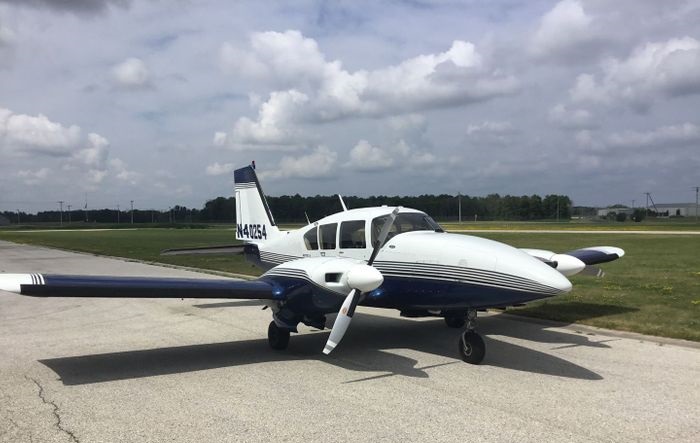
Piper Aztec Turbo Series for Sale — Buy or Sell a Turbo Aztec Twin Worldwide
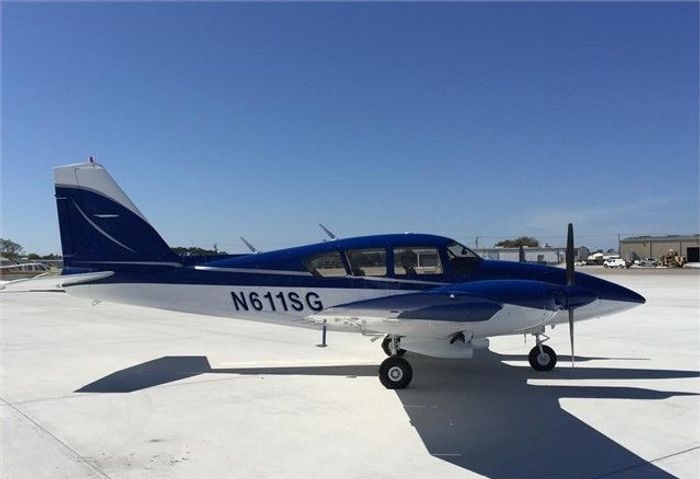
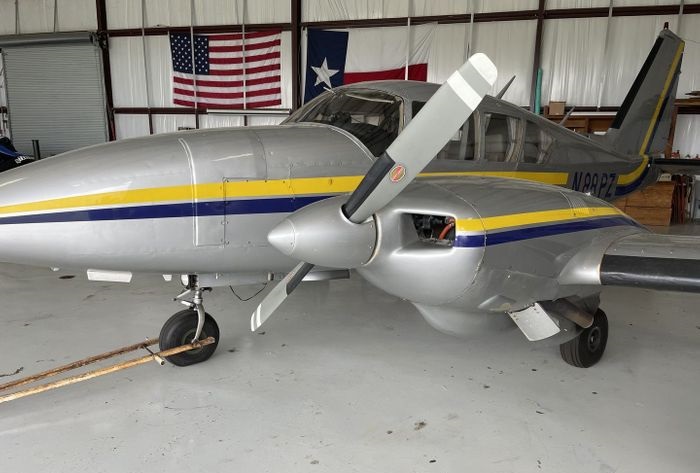
The Piper Aztec Turbo Series — comprising the PA-23-250 Turbo Aztec and its variants — represents the high-performance evolution of Piper's highly successful Aztec twin-engine piston platform. By adding a turbocharged Continental TSIO-540 engine to the proven Aztec airframe, Piper created a capable all-weather IFR twin capable of cruising comfortably above weather at altitudes where density altitude penalties are negligible, with a spacious six-seat cabin and genuine cross-country range. Piper Turbo Aztec aircraft for sale are consistently in demand from IFR pilots, charter operators, and multi-engine flight training programmes who need a dependable, roomy, and well-proven twin at a competitive price. Airplane Trade connects buyers and sellers of Turbo Aztec aircraft worldwide.
History of the Piper Aztec
Piper introduced the Apache in 1954 as its first twin-engine design, and progressively developed it into the Aztec — a substantially improved aircraft with a more powerful engine, retractable tricycle undercarriage, and a roomier fuselage. The Aztec entered production in 1959 powered by Lycoming IO-540 engines, and became one of the most successful light twins in aviation history with over 4,900 aircraft manufactured before production ended in 1981. The turbocharged variant, designated the Turbo Aztec and officially the PA-23-250, used Continental TSIO-540 engines to maintain rated power at altitude — a significant advantage for IFR operations, mountain flying, and operations in hot climates. Throughout the 1960s and 1970s, Piper refined the Turbo Aztec through successive variants (C, D, E, and F), each adding avionics improvements, useful load increases, and handling refinements that made it an increasingly competitive executive twin.
Turbo Aztec Variants
- PA-23-250 Aztec C Turbo (1963–1966) — First turbocharged Aztec; Continental TSIO-540-A engines, 250 hp each; 6 seats; retractable gear; the foundation of the turbo series.
- PA-23-250 Aztec D Turbo (1966–1969) — Revised nose with longer, more tapered profile; improved baggage access; updated Continental TSIO-540-C engines; popular charter twin.
- PA-23-250 Aztec E Turbo (1969–1975) — Most significant revision; increased useful load; improved avionics bays; additional fuel capacity option; widely used by flight training and charter operators.
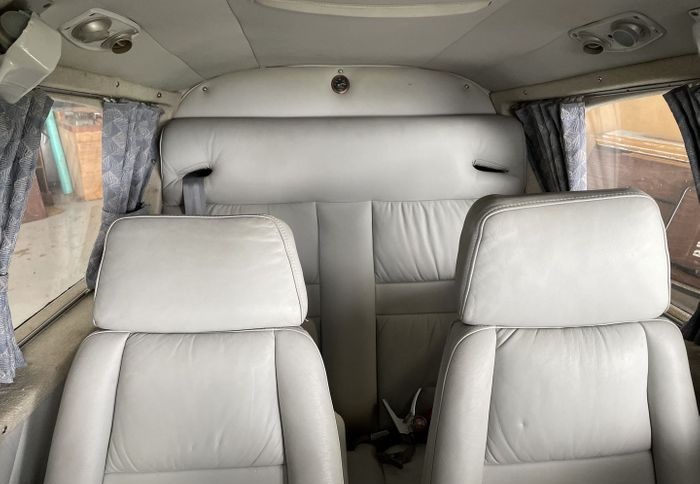
- PA-23-250 Aztec F Turbo (1976–1981) — Final and most refined variant; Continental TSIO-540-C1B engines; improved interior; better soundproofing; the most sought-after Turbo Aztec on the used market.
Performance — PA-23-250 Turbo Aztec F
- Engines — Two Continental TSIO-540-C1B, 250 hp each (turbocharged)
- Maximum Speed — 215 mph (187 knots / 346 km/h) at 20,000 ft
- Cruise Speed — 196 mph (170 knots / 315 km/h) at 75% power, 18,000 ft
- Range — 1,215 miles (1,955 km) with optional long-range tanks
- Service Ceiling — 24,000 ft (7,315 m)
- Rate of Climb — 1,120 ft/min (sea level, MTOW)
- Single-Engine Ceiling — 8,400 ft (2,560 m)
- MTOW — 5,200 lb (2,359 kg)
- Useful Load — Approximately 1,600 lb (725 kg)
- Seating — Pilot + up to 5 passengers (6-seat)
Why the Turbo Aztec Remains Popular
The Piper Turbo Aztec's enduring appeal rests on a combination of practical virtues that are difficult to match at comparable price points. The aircraft's generous cabin — one of the widest in the light twin class — provides genuine six-seat comfort with full standing headroom at the cabin entrance. The large nose baggage compartment and cabin storage make it practical for extended trips with luggage. The turbocharging system allows the Aztec to climb to and maintain cruise altitude at FL200, placing it above most weather systems that plague lower-altitude piston twins. The Continental TSIO-540 engines, while requiring careful management of manifold pressure and turbocharger temperature, are thoroughly proven after decades of service and have an excellent parts network. As a training platform, the Aztec's forgiving handling, honest stall behaviour, and straightforward systems have made it a staple of multi-engine training programmes for generations of commercial pilots.
Buying a Piper Turbo Aztec — Key Considerations
- Engine Condition (SMOH) — Continental TSIO-540 TBO is 1,800 hours; overhaul costs $25,000–$40,000 per engine; engines at or approaching TBO significantly affect value.
- Turbocharger System — Inspect both turbochargers, intercoolers, wastegates, and exhaust systems for cracks and leaks; turbocharger maintenance adds to operating costs.
- Airframe Corrosion — Many Aztecs have operated in coastal or humid environments; inspect the fuselage belly, spar carry-through, and wing attach fittings carefully for corrosion.
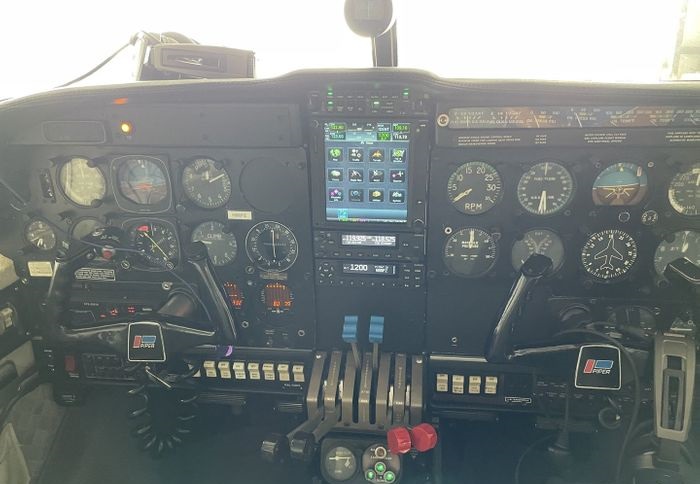
- Avionics — Many Turbo Aztecs have been updated with modern avionics; verify ADS-B out compliance and assess the IFR avionics fit.
- Landing Gear — The Aztec's retractable gear is reliable but requires regular inspection of actuators, downlocks, and gear doors; budget for periodic overhaul of the hydraulic system.
Find Your Piper Turbo Aztec on Airplane Trade
Airplane Trade is the premier global marketplace for light twins including the Piper PA-23-250 Turbo Aztec in all variants. Browse verified listings from flight schools, charter operators, and private owners across North America, Europe, and beyond. Each listing includes engine status, airframe hours, avionics details, and direct seller contact. Find your Turbo Aztec on Airplane Trade today.