Piper Cheyenne Series for Sale — Buy or Sell a Cheyenne Twin Turboprop Worldwide
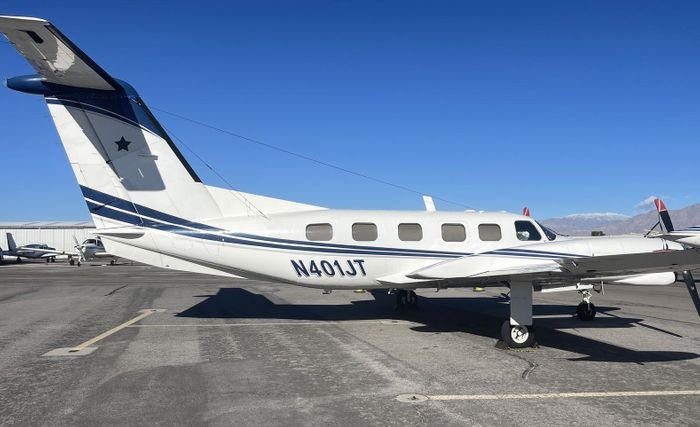
The Piper Cheyenne Series encompasses one of the most successful families of pressurised twin-turboprop executive aircraft produced in the United States — a range of aircraft spanning from the entry-level Cheyenne I to the high-performance Cheyenne IIIA and the powerful Cheyenne 400LS, all sharing Piper's commitment to accessible owner-pilot turboprop performance. Combining Pratt and Whitney Canada PT6A engines with pressurised cabins, retractable undercarriage, and full IFR avionics, the Cheyenne family delivers twin-turboprop capability at acquisition and operating costs that undercut comparable Beechcraft King Air and Cessna 421 alternatives. Piper Cheyenne aircraft for sale attract owner-pilots, charter operators, and corporate flight departments who need turboprop performance without jet-level pricing. Airplane Trade is the premier marketplace for the complete Cheyenne family worldwide.
History and Development of the Piper Cheyenne
Piper developed the Cheyenne as a turboprop evolution of the PA-31 Navajo piston twin, sharing the same basic fuselage and wing but replacing the piston engines with PT6A turboprops and adding pressurisation. The original PA-31T Cheyenne received FAA certification in 1972 and entered service in 1974, powered by two Pratt and Whitney Canada PT6A-28 engines producing 620 shp each. Piper progressively developed the platform through a range of variants with increasing engine power, improved pressurisation, and enhanced avionics. The Cheyenne II brought the PA-31T to its full potential with PT6A-28 engines; the Cheyenne IIIA introduced a stretched T-tail fuselage and more powerful PT6A-61 engines; and the Cheyenne 400LS adopted Garrett TPE331 engines for even higher cruise speeds. Production continued until 1984, and the Cheyenne family remains one of the most widely traded twin-turboprops on the used market today.
Cheyenne Series Variants
- PA-31T Cheyenne I (1978–1983) — Entry-level Cheyenne; PT6A-11 engines, 500 shp each; pressurised 6-seat cabin; lower acquisition cost than Cheyenne II; popular with owner-pilots transitioning from piston twins.
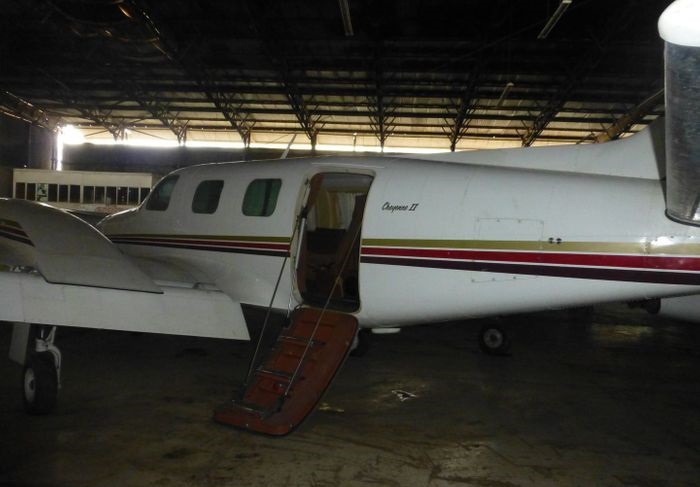
- PA-31T Cheyenne II (1974–1981) — Standard Cheyenne; PT6A-28 engines, 620 shp each; good performance; 6 seats; the most common Cheyenne variant on the used market.
- PA-31T-1 Cheyenne I XL (1981–1984) — Improved Cheyenne I with PT6A-135 engines, 550 shp each; better hot-and-high performance than the original Cheyenne I.
- PA-31T-2 Cheyenne IIXL (1981–1984) — Upgraded Cheyenne II with PT6A-135 engines and improved systems; refined interior appointments.
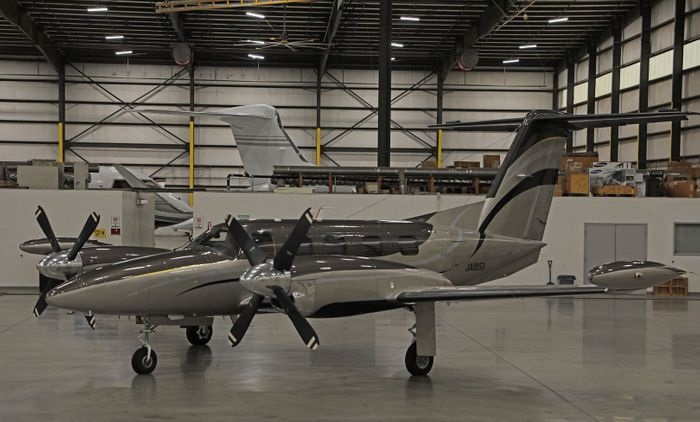
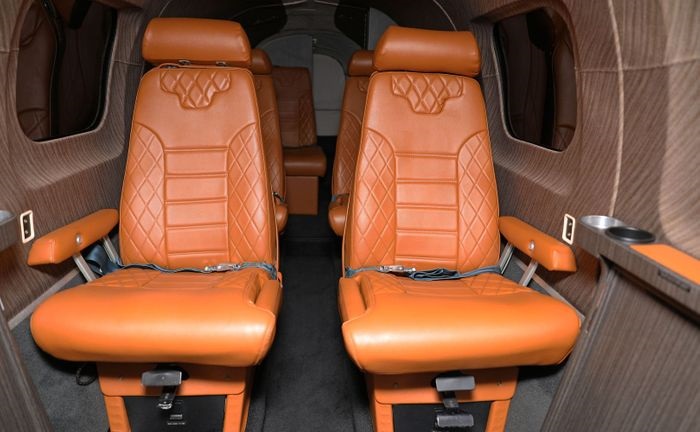
- PA-42 Cheyenne III (1979–1983) — Stretched T-tail fuselage; PT6A-41 engines, 720 shp each; 9 seats; significantly expanded cabin; the premier Cheyenne for multi-passenger operations.
- PA-42-720 Cheyenne IIIA (1983–1984) — Upgraded Cheyenne III; PT6A-61 engines, 720 shp each; improved avionics; the most capable PT6A-powered Cheyenne.
- PA-42-1000 Cheyenne 400LS (1983–1984) — Garrett TPE331-14A engines, 1,000 shp each; significantly higher cruise speed (325 knots); the fastest Cheyenne; rare and commands a premium.
Performance — PA-31T Cheyenne II
- Engines — Two PT6A-28, 620 shp each
- Maximum Speed — 280 mph (243 knots / 451 km/h)
- Cruise Speed — 259 mph (225 knots / 417 km/h) at 25,000 ft
- Range — 1,460 miles (2,350 km) with standard fuel
- Service Ceiling — 29,000 ft (8,839 m)
- Rate of Climb — 2,200 ft/min (sea level, MTOW)
- MTOW — 9,000 lb (4,082 kg)
- Cabin Pressurisation — 5.5 psi differential
- Seating — Pilot + up to 5 passengers
Why Buyers Choose the Cheyenne
The Piper Cheyenne offers compelling value in the twin-turboprop market by providing genuine PT6A-powered pressurised twin performance at acquisition costs well below a comparable King Air 90 or 200. The PT6A engine family is universally praised for reliability, ease of maintenance, and global support infrastructure. The Cheyenne's Navajo-derived airframe is structurally proven and well-understood by the MRO community, reducing maintenance uncertainty. For owner-pilots who want to fly single-pilot IFR in a pressurised twin capable of cruising above weather at FL250, the Cheyenne II or IIXL provides an accessible entry point into turboprop twin ownership that many pilots find ideal.
Buying a Piper Cheyenne — Key Considerations
- Engine Hours (SMOH) — PT6A-28 TBO is 3,500 hours; PT6A-135 TBO is 3,600 hours; overhaul cost $100,000–$200,000 per engine; assess engine status carefully.
- Hot Section Inspections — Required at intermediate intervals; review records for any unusual findings or early-wear items.
- Pressurisation System — Inspect door seals, outflow valve, and controller; deferred maintenance is common and must be identified pre-purchase.
- Airframe Condition — Many Cheyennes have commercial histories with high cycles; verify structural inspection compliance and logbook completeness.
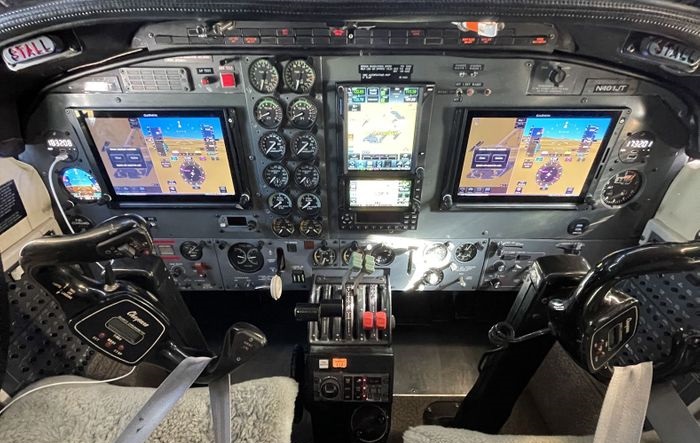
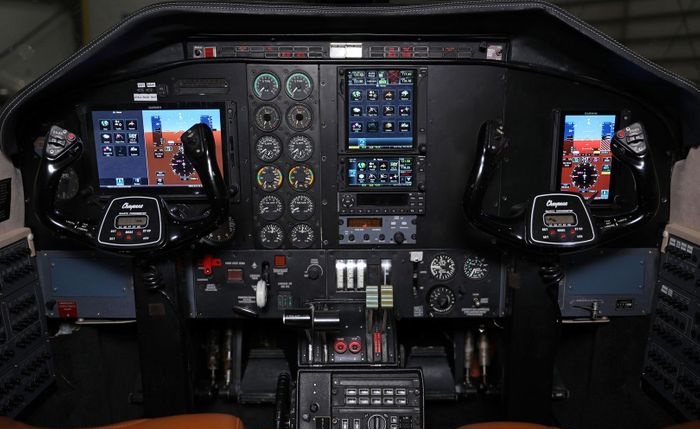
- Avionics — Older Cheyennes may need ADS-B out upgrades; assess avionics fit for intended IFR operations.
Find Your Piper Cheyenne on Airplane Trade
Airplane Trade is the premier global marketplace for the complete Piper Cheyenne family — Cheyenne I, II, IIXL, III, IIIA, and 400LS. Browse verified listings from private owners, charter companies, and specialist dealers worldwide. Each listing includes full engine status, pressurisation details, and direct seller contact. Find your Cheyenne on Airplane Trade today.