Piper Navajo Series for Sale — Expert Buyer's Guide, Specs & Market Analysis
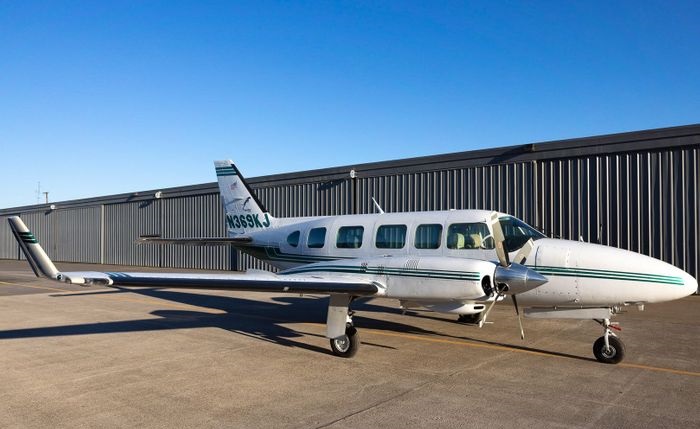
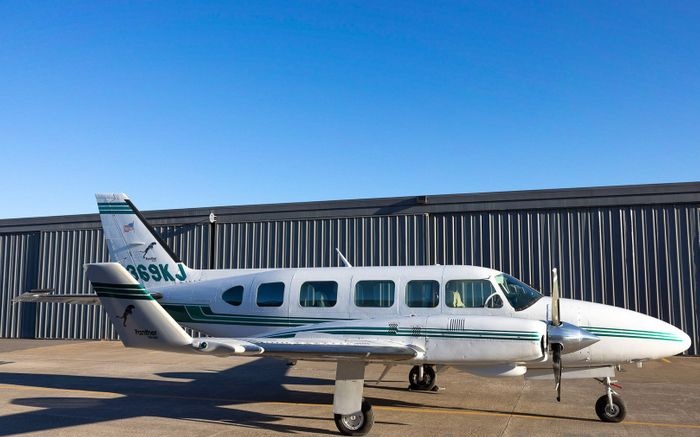
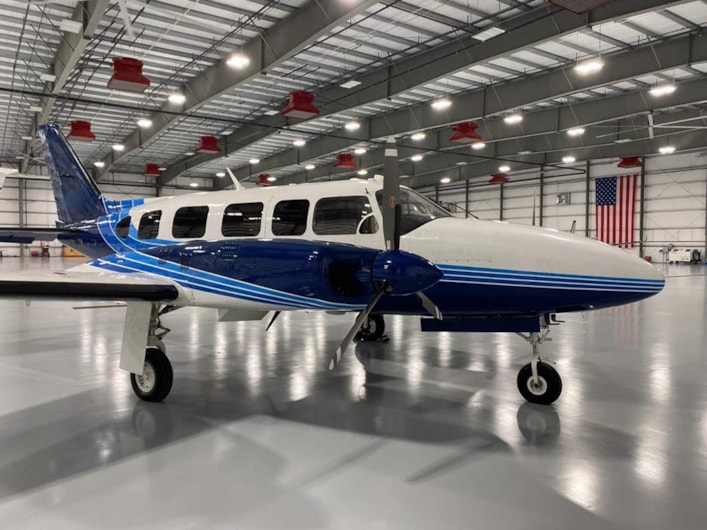
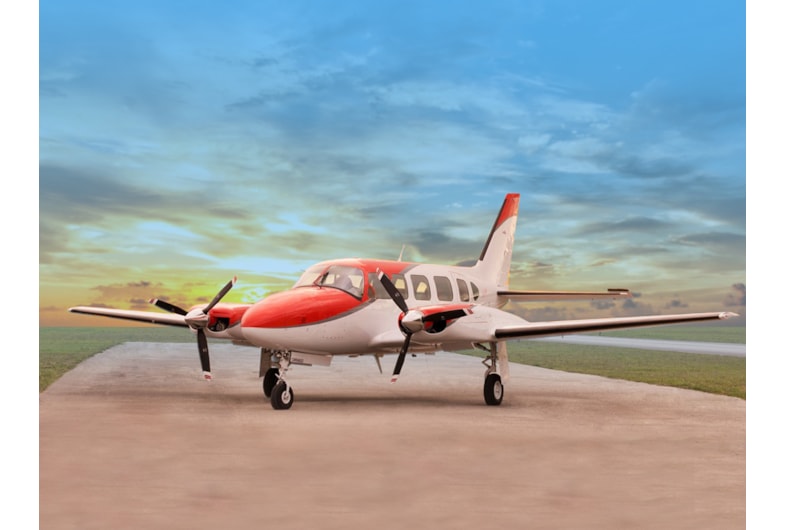
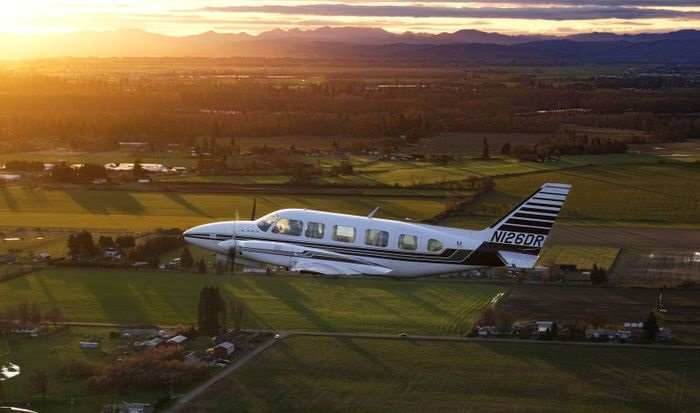
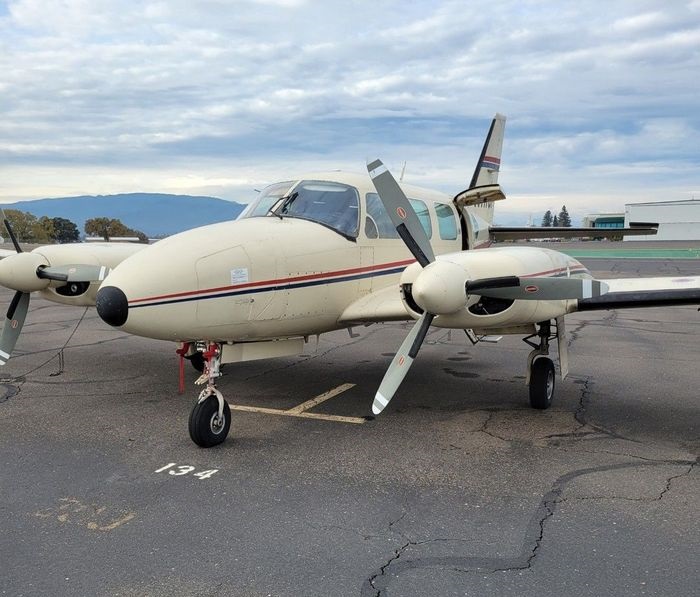
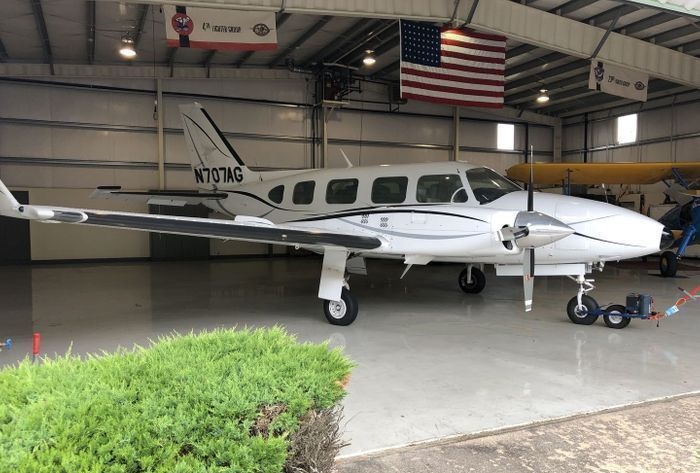
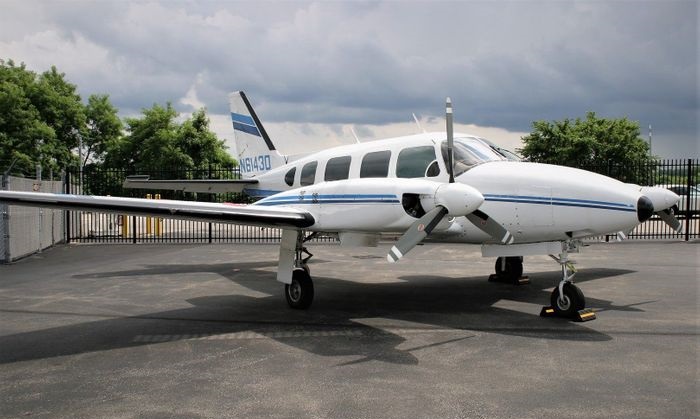
The Piper Navajo is one of the most capable and commercially significant piston twin aircraft ever produced. Introduced in 1967 and produced through 1984, the Navajo series encompasses six major variants designed for the demanding requirements of regional air taxi, air cargo, commuter airline, corporate shuttle, and medevac operations. With seating for six to ten occupants, robust powerplants producing up to 310 hp per engine, and structural design targeting commercial service durability, the Navajo and its derivatives occupy a distinct and valuable segment of the used aircraft market. More than 3,500 Navajo series aircraft remain on the FAA registry today — a testament to the airframe's durability and continued operational relevance.
Airplane-Trade maintains one of the most comprehensive online inventories of Piper Navajo series aircraft available anywhere. Our listings span the full Navajo family — from the original PA-31 through the stretched Navajo Chieftain and the turbocharged Navajo C/R — each with detailed specifications and direct seller contact. Use this guide to understand the differences between variants, evaluate key inspection points, and make a confident purchase decision.
Piper Navajo Variants: Complete Model Guide
The Navajo family evolved substantially over its 17-year production run. Understanding the engineering differences between variants — not just the names — is critical to matching the right aircraft to your operational requirements.
Navajo PA-31-300 — Original Series (1967–1972)
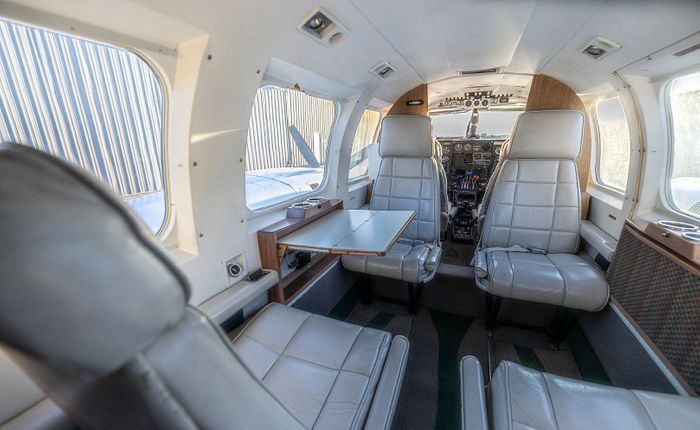
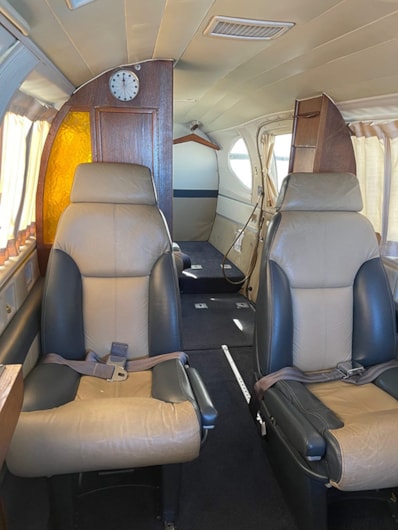
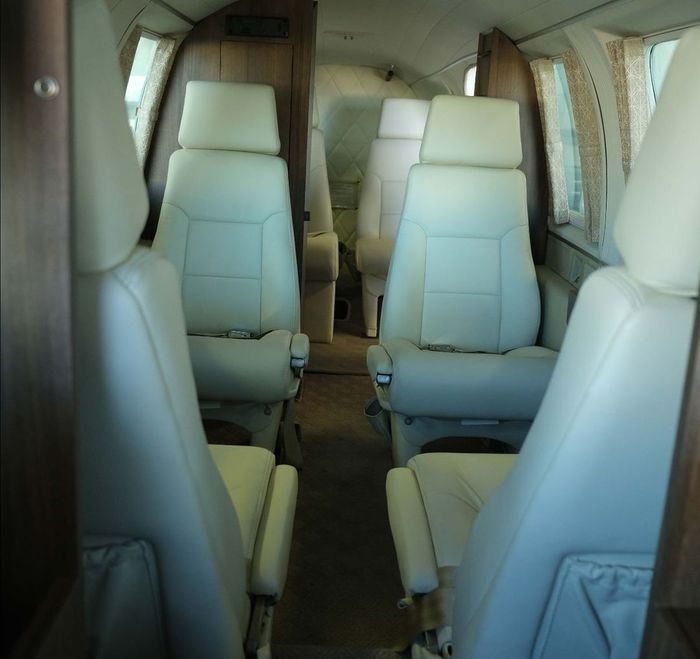
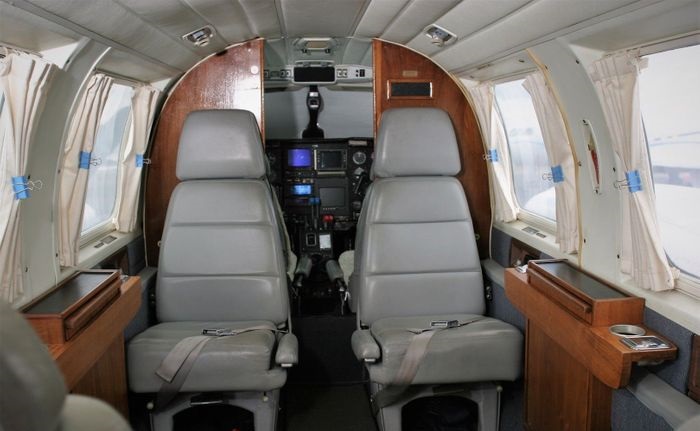
The original Navajo was certificated in 1966 and entered service in 1967, powered by two Lycoming IO-540-M engines producing 300 hp each. The PA-31-300 seats six in an airline-style cabin 60 inches wide and 57 inches tall — significantly roomier than the Seneca or Baron. Maximum gross weight is 6,200 lbs, useful load approximately 1,950 lbs, and cruise speed approximately 214 mph (186 knots) TAS. The original Navajo established the platform's reputation for durability and load-carrying ability that would define the series. While the IO-540 engines are well-supported and reliable, buyers should carefully inspect for engine mount cracks, which are a known wear item at high total time.
Navajo B / PA-31-310 (1973–1975)
Piper's PA-31-310 introduced the Lycoming TIO-540-A2C turbocharged engines producing 310 hp each, increasing high-altitude cruise performance substantially. The 310 hp turbo installation increased service ceiling to 26,900 feet and improved cruise to approximately 196 knots TAS at altitude. The Navajo B also benefited from aerodynamic refinements including an improved cowling and nacelle design. Structurally, the PA-31-310 is essentially identical to the PA-31-300 and shares most of its maintenance procedures and parts.
Navajo C/R — Counter-Rotating (1977–1984)
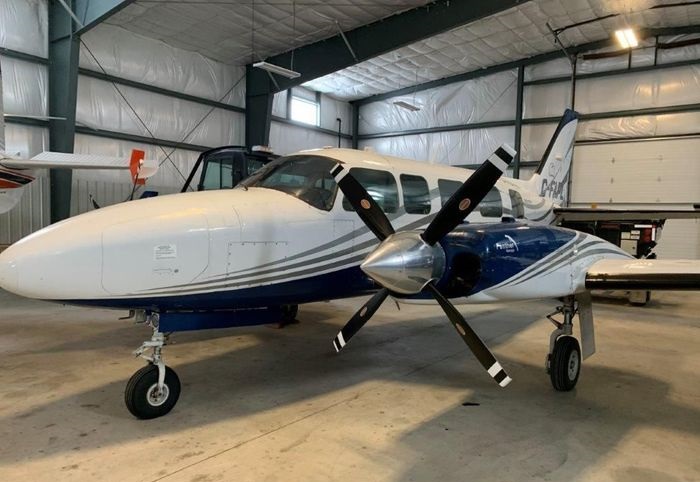
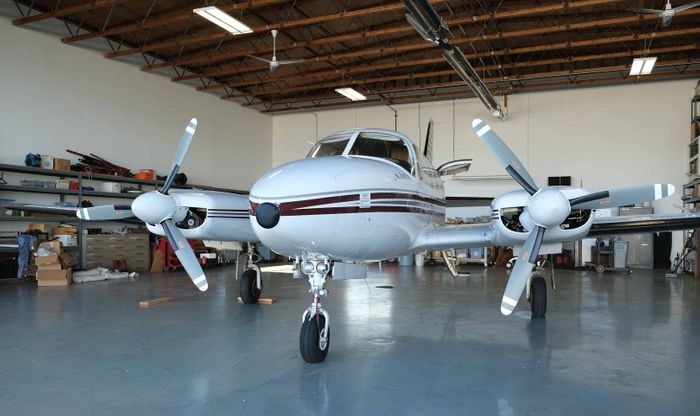
The Navajo C/R introduced counter-rotating propellers to the Navajo line, using the Lycoming TIO-540-J2BD and LTIO-540-J2BD engines. The counter-rotating installation eliminates the critical engine problem inherent in conventional twin-engine designs — when one engine fails, the handling characteristics are symmetrical regardless of which engine is out. For commercial operators and flight training environments, this represents a significant safety enhancement. The C/R models are among the most sought-after Navajos on the used market. The designation 'C/R' stands for 'counter-rotating' and should not be confused with 'Chieftain.' Published Vmc for the Navajo C/R is 68 knots — compare this to the straight Navajo's 74 knots.
Navajo Chieftain PA-31-350 (1974–1984)
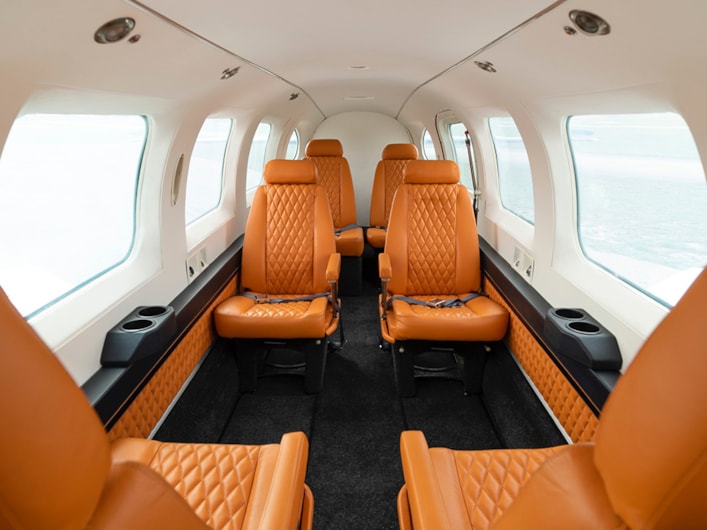
The Chieftain represents the most ambitious development within the Navajo family. Piper stretched the original Navajo fuselage by 24 inches to create a cabin that accommodates eight passengers in airline seating, or up to ten in a high-density configuration. Powered by two Lycoming TIO-540-J2BD engines (counter-rotating, 350 hp each), the Chieftain became the definitive regional commuter aircraft of the 1970s and early 1980s. Many regional carriers operating under Part 135 and Part 121 supplemental certificates flew Chieftains on scheduled routes throughout the United States, Alaska, Caribbean, and Pacific Island routes. Maximum gross weight is 7,000 lbs; useful load exceeds 2,400 lbs in most configurations. Service ceiling is 24,000 feet. Cruise speed is approximately 198 knots TAS at 75% power at altitude. The Chieftain remains commercially viable today for charter, cargo, and skydiving operations.
Pressurized Navajo PA-31P (1970–1977)
The PA-31P stands apart from other Navajo variants as the only pressurized member of the family. Powered by two Lycoming TIGO-541-E1A geared turbocharged engines producing 425 hp each, the Pressurized Navajo offers a cabin differential of 4.2 psi — sufficient to maintain a 9,000-foot cabin altitude at 18,000 feet or a sea-level equivalent cabin at approximately 14,000 feet. Maximum gross weight is 7,800 lbs. Cruise speed is approximately 235 knots TAS at altitude. The PA-31P is a sophisticated aircraft that demands pilot proficiency and rigorous maintenance of its pressurization system. Replacement parts for the TIGO-541 engine are increasingly difficult to source, and buyers should investigate the availability of engine overhaul support before purchase. The PA-31P is appropriate for buyers who specifically need pressurized twin capability at a lower acquisition cost than a turboprop.
Navajo / Chieftain Turbine Conversions
Several supplemental type certificates (STCs) exist for turbine engine conversions of the Navajo airframe, most notably the Pratt & Whitney Canada PT6A-powered conversions that transform the aircraft into a turboprop performer while retaining the familiar airframe structure. The RAM Aircraft and Colemill Enterprises conversions are among the best-known. Turbine-converted Navajos command substantial premiums over piston variants but offer dramatically improved reliability, parts availability, and performance. Buyers of turbine-converted Navajos should verify the specific STC installation, confirm continued airworthiness of the conversion, and ensure their maintenance facility is qualified to service the installed turbine.
Piper Navajo Series — Technical Specifications Table
| Specification |
Navajo PA-31-300 |
Navajo C/R |
Chieftain PA-31-350 |
Pressurized PA-31P |
| Engines |
Lyc. IO-540-M |
Lyc. TIO-540-J |
Lyc. TIO-540-J (C/R) |
Lyc. TIGO-541-E |
| Power (each) |
300 hp |
310 hp turbo |
350 hp turbo |
425 hp turbo geared |
| Seats |
6 |
6 |
8–10 |
6 |
| Max Gross Weight |
6,200 lbs |
6,500 lbs |
7,000 lbs |
7,800 lbs |
| Useful Load |
~1,950 lbs |
~2,100 lbs |
~2,400 lbs |
~2,100 lbs |
| Cruise Speed (ktas) |
186 |
196 |
198 |
235 |
| Service Ceiling |
19,600 ft |
26,900 ft |
24,000 ft |
29,000 ft |
| Pressurization |
None |
None |
None |
4.2 psi differential |
| Range (w/ reserves) |
930 nm |
950 nm |
940 nm |
1,100 nm |
| Fuel Capacity |
182 gal |
182 gal |
182 gal |
182 gal |
| Avg Used Price |
$80k–$180k |
$120k–$250k |
$120k–$280k |
$150k–$350k |
Piper Navajo Engines: TBO, Overhaul, and Parts Availability
Engine condition dominates Navajo valuation. The TIO-540 and IO-540 families are mature, well-documented designs with strong overhaul support from Lycoming and numerous FAA-approved overhaul facilities. The TIGO-541 engines in the Pressurized Navajo present greater overhaul challenges due to the geared powerplant design and declining parts availability.
Lycoming IO-540 / TIO-540 — Service Details
Factory TBO for the Lycoming TIO-540 series is 1,800 hours. Field experience shows that well-maintained examples regularly reach and exceed TBO. The IO-540 and TIO-540 families share significant parts commonality with the single-engine Lycoming IO-540 used in the Piper Cherokee Six and Beechcraft Bonanza, which benefits both parts availability and overhaul competition. Cylinder compression minimums of 60/80 apply, and annual borescope inspections are standard practice for commercially operated aircraft. Valve train wear — specifically cam lobe pitting — is a known issue in TIO-540 engines operated infrequently. Regular 25-hour oil changes and oil analysis are essential preventive measures.
Engine Overhaul Cost Estimates — Navajo Series
| Factory Reman – IO-540 (per engine) |
$32,000 – $42,000 |
| Factory Reman – TIO-540 (per engine) |
$36,000 – $46,000 |
| Premium Field Overhaul – TIO-540 |
$24,000 – $34,000 |
| Standard Field Overhaul – TIO-540 |
$18,000 – $26,000 |
| Top Overhaul – TIO-540 |
$8,000 – $14,000 |
| TIGO-541 Overhaul (PA-31P) |
$50,000 – $75,000 |
| Turbocharger (per side) |
$4,000 – $7,000 |
| Propeller Overhaul (each) |
$2,500 – $5,000 |
Piper Navajo: Critical Airworthiness Directives
Navajo series aircraft have accumulated a significant AD history over their 50+ years of service. The following represent some of the most critical ADs that buyers and operators must verify and document:
- AD 91-21-01: Inspection of aileron hinge bolts for wear — recurring 100-hour
- AD 77-13-25: Inspection of wing spar attach fittings — critical one-time with periodic
- AD 2002-04-11: Rudder hinge bracket inspection — recurring 500-hour
- AD 98-23-05: Lycoming TIO-540 crankshaft inspection — critical for high-time engines
- AD 2011-15-13: Fuel selector valve inspection and replacement — model-specific
- AD 2018-09-14: Main landing gear actuator inspection — recurring
Always conduct a complete AD compliance audit prior to purchase using the FAA's official AD database. Require the seller to demonstrate current compliance in logbook entries, with cross-reference to work order documentation from the shop that performed each AD. For Part 135 operators, the operations specification (Op Spec) file will contain the maintenance tracking program records.
Piper Navajo Commercial Operations: Part 135 Considerations
A significant proportion of Piper Navajo and Chieftain aircraft have been operated commercially under FAR Part 135 (Air Carrier and Air Taxi) authority. Buyers should be aware of several important considerations when acquiring an aircraft with Part 135 history:
Maintenance History in Commercial Service
Part 135-operated aircraft undergo 100-hour inspections in addition to annual airworthiness inspections, often resulting in aircraft with extraordinarily detailed maintenance records and earlier detection of wear items. However, high-utilization commercial aircraft also accumulate airframe hours, cycle counts on landing gear and pressurization components, and fatigue on structural elements more rapidly than privately operated aircraft. A Navajo with 8,000+ total hours and a strong, documented maintenance history may represent a better value than a low-time aircraft with incomplete or spotty records.
Returning Aircraft from Part 135 to Part 91
Aircraft previously operated under Part 135 can be returned to Part 91 private operation, but owners should review the aircraft's approved maintenance program to understand ongoing inspection requirements that may have been established as airworthiness limitations. The Operations Specification associated with the previous carrier's certificate does not transfer to the new owner, but applicable ADs and manufacturer mandatory service bulletins remain in force regardless of operational rule.
Skydiving Operations History
Many Navajo Chieftains have served — or continue to serve — skydiving operations, which subject the airframe to extremely high cycle counts relative to hours flown. Skydiving Navajos accumulate landing cycles at rates far exceeding normal use, placing unusual stress on landing gear systems, door structures, and airframe attachment points. When evaluating any Navajo that has skydiving history, request cycle count records and pay particular attention to landing gear component condition and documentation of any landing gear system repairs or replacements.
Piper Navajo vs. Piper Seneca: Which is Right for You?
Buyers considering both the Navajo and Seneca are often faced with a genuine capability versus cost tradeoff. The following framework helps clarify the decision:
| Factor |
Choose Piper Seneca |
Choose Piper Navajo |
| Seating Needed |
Up to 6 passengers |
6–10 passengers (Chieftain) |
| Mission Profile |
Private/business travel |
Commercial charter, cargo, medevac |
| Operating Rules |
Part 91 primarily |
Part 91 or Part 135 |
| Acquisition Budget |
$80k–$600k |
$80k–$350k (piston) |
| Annual Hours |
100–300 hours |
300–1,000+ hours |
| Pressurization Needed |
Consider Cessna 340A instead |
Consider PA-31P or turboprop |
| Maintenance Complexity |
Moderate |
Higher — larger engines, systems |
| Resale Liquidity |
Strong (large fleet) |
Strong (large fleet) |
In general, buyers who need to carry more than six people, anticipate high utilization rates, or plan commercial operations will find the Navajo/Chieftain more appropriate. Buyers prioritizing lower acquisition cost, simpler systems, and private travel should gravitate toward the Seneca series.
Piper Navajo Operating Costs: Detailed Budget Guide
The following estimates apply to a well-maintained mid-time Navajo Chieftain PA-31-350 operated approximately 250–400 hours per year in Part 91 or light commercial service:
| Fuel (avgas @$6.50/gal, 30 gph average) |
$195 per flight hour |
| Maintenance Reserve (airframe) |
$60–$90 per flight hour |
| Engine Reserve (2 engines) |
$50–$75 per flight hour |
| Annual Inspection |
$5,000–$12,000 per year |
| 100-Hour Inspection (if Part 135) |
$2,500–$6,000 per inspection |
| Hangar |
$600–$1,500 per month |
| Insurance (Part 91) |
$8,000–$20,000 per year |
| Insurance (Part 135 single pilot) |
$15,000–$35,000 per year |
| Total Variable (est.) |
$300–$360 per flight hour |
| Total Fixed (est. annual, Part 91) |
$16,000–$32,000 per year |
Operating cost estimates are for illustrative purposes. Actual costs vary significantly based on pilot qualifications, geographic market, utilization rate, and aircraft condition. Consult with a qualified aviation accountant and insurance broker for accurate projections specific to your operational scenario.
Piper Navajo: Pre-Buy Inspection Checklist
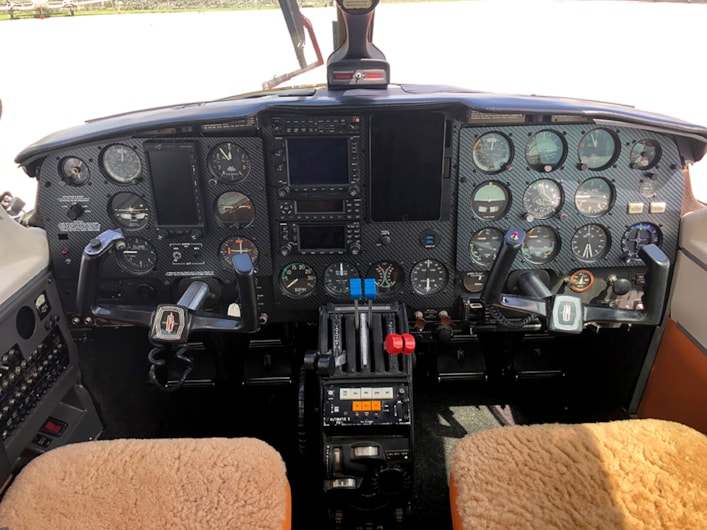
The Navajo's larger, more complex systems demand a particularly thorough pre-buy inspection. We strongly recommend engaging a Piper-experienced A&P/IA and conducting the pre-buy at a shop familiar with this specific aircraft type. Budget $1,500–$3,000 for a thorough pre-buy inspection.
Structural and Airframe Items
- Wing spar and spar carry-through: inspect per applicable AD and manufacturer service instructions
- Firewall condition: check for oil accumulation, corrosion, and heat damage from engine bays
- Cargo door operation and sealing (critical for Part 135 cargo operations)
- Passenger door and emergency exit operation — verify all exits function per AFM requirements
- Floor structure: check for corrosion in areas exposed to cargo or passenger loading
- Main landing gear trunnions and attach points: known wear area on high-cycle aircraft
Engine and Propeller Systems
- Both engine logbooks: verify complete time history and overhaul documentation
- Engine run: check for smooth operation, proper temperature rise, and absence of roughness
- Oil filter cut and inspection at each engine — critical first check for metal contamination
- Turbocharger condition: inspect for shaft play, oil weeping, and wastegate freedom
- Prop governor operation: verify feathering function on each engine in ground run
- Air/oil separator condition — a maintenance-neglected system on many high-time Navajos
Avionics and Electrical Systems
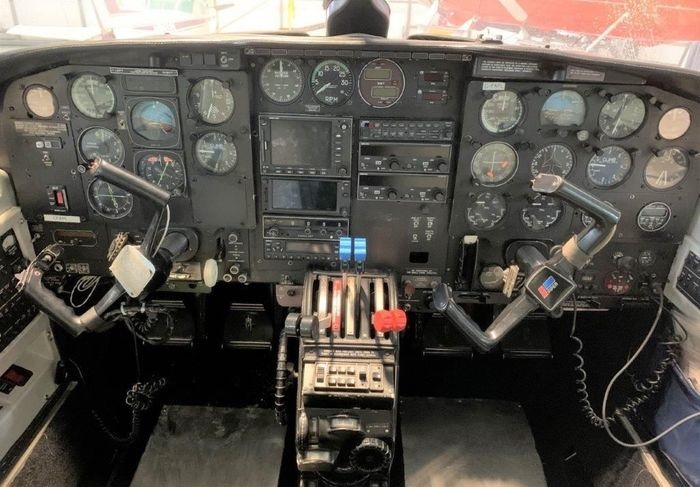
- Full avionics panel check including all nav/com, autopilot, and IFR currency
- Electrical bus check: voltage and current at all bus points under simulated load
- Landing light, taxi light, and recognition light operation — high replacement cost items
- Fuel quantity indicating system accuracy: compare indicator readings to measured fuel
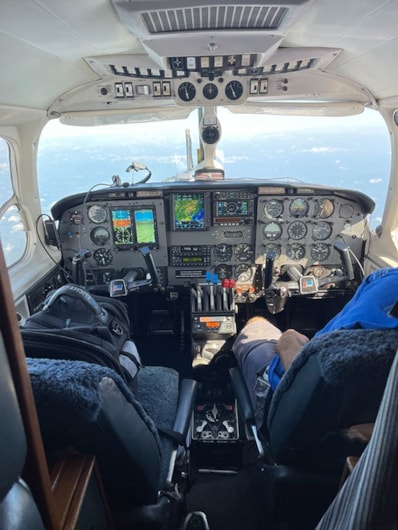
- ADS-B Out compliance verification and WAAS GPS accuracy check
Most Common Piper Navajo Maintenance Items
Experience from operators and maintenance providers identifies the following as the most frequently required maintenance items on Navajo series aircraft. Buyers should inquire about these specifically and factor known upcoming costs into price negotiations:
- Lycoming TIO-540 valve train service (cam, followers, pushrods) — approximately every 400–600 hours
- Turbocharger replacement — typically 800–1,200 hours depending on operating conditions
- Main landing gear actuator overhaul — approximately every 1,000 cycles or per AD
- Door seal replacement — affects both pressurization (PA-31P) and cabin environment
- Fuel selector valve inspection and potential replacement per applicable AD
- Hartzell propeller overhaul — typically every 2,000 hours or 6 calendar years, whichever first
- Magneto inspection and overhaul — 500-hour interval for most Bendix magnetos
Financing a Piper Navajo Purchase
Piper Navajo financing follows similar parameters to other general aviation twins, with some important distinctions for commercial operators:
- Commercial aircraft loans may qualify for different depreciation treatment — consult a CPA familiar with aircraft ownership
- Part 135 operational leaseback arrangements can significantly reduce effective ownership cost for qualified operators
- Lender-required hull valuations should be performed by an appraiser experienced with commercial twin-piston aircraft
- Title search through the FAA Aircraft Registry is non-negotiable — Navajo aircraft have long histories with multiple owners
- Confirm the presence of a valid FAA Standard Airworthiness Certificate in the aircraft records
Aviation lenders familiar with the Navajo and Chieftain understand their commercial heritage and tend to offer competitive terms for aircraft with strong maintenance histories. Down payment requirements typically range from 15–25% for Navajo-class aircraft.
Why List or Find a Piper Navajo on Airplane-Trade?
Airplane-Trade connects serious Navajo buyers with motivated sellers in a transparent marketplace. Our platform attracts aviation professionals — operators, mechanics, and experienced pilots — who understand the Navajo's commercial value and operational requirements. Unlike general classified platforms, our Navajo listings are reviewed for completeness and include specification detail fields specifically designed for multi-engine commercial aircraft: total airframe time, engine times on both sides, avionics inventory, Part 135 history, and current squawk list.
Sellers of Navajo aircraft benefit from our qualified buyer audience and our content ecosystem — including this buyer's guide — which pre-educates prospective buyers on the aircraft type, reducing time wasted on inquiries from unqualified or uninformed prospects. Browse our current Piper Navajo inventory above, or submit a buying request to receive notifications when new matching aircraft are listed.
Frequently Asked Questions: Piper Navajo
What is the difference between the Navajo and the Navajo Chieftain?
The Navajo Chieftain (PA-31-350) has a 24-inch fuselage stretch compared to the standard Navajo, allowing eight to ten passenger seating versus six in the standard cabin. The Chieftain also uses higher-powered Lycoming TIO-540-J2BD counter-rotating engines producing 350 hp each, compared to the 300–310 hp of standard Navajo variants. Maximum gross weight of the Chieftain is 7,000 lbs versus 6,200–6,500 lbs for the standard Navajo.
Is the Piper Navajo pressurized?
Only the PA-31P variant is pressurized. Standard Navajo and Chieftain models are unpressurized. The PA-31P uses Lycoming TIGO-541-E1A geared turbocharged engines and provides 4.2 psi cabin differential — sufficient for comfortable flight in the flight levels without supplemental oxygen.
What is the Piper Navajo's fuel burn?
Standard Navajo models (IO-540 and TIO-540 engines) burn approximately 26–32 gallons per hour total at cruise power settings. The Navajo Chieftain burns approximately 28–34 gph at 75% power. Lean-of-peak operations using precise fuel flow management can reduce these figures by 10–15% with minimal speed reduction.
How much does a Piper Navajo cost?
As of 2025–2026, standard Navajo PA-31-300 models in airworthy condition trade from approximately $80,000 to $180,000. Navajo C/R models in good condition range from $120,000 to $250,000. Chieftain PA-31-350 aircraft in good to excellent condition range from $120,000 to $280,000, with the highest-condition turbine-converted examples commanding $350,000 or more. The PA-31P Pressurized Navajo typically trades between $150,000 and $350,000 depending on engine condition and avionics fit.
How many passengers does a Piper Navajo carry?
The standard Navajo (PA-31-300, PA-31-310, PA-31 C/R) seats six occupants including the pilot. The Navajo Chieftain (PA-31-350) seats eight in standard configuration, or up to ten in a high-density layout. Actual payload depends on fuel load, baggage, and aircraft gross weight compliance — operators should calculate weight and balance for each specific flight.