Piper Seneca Series for Sale — Complete Buyer's Guide & Specifications
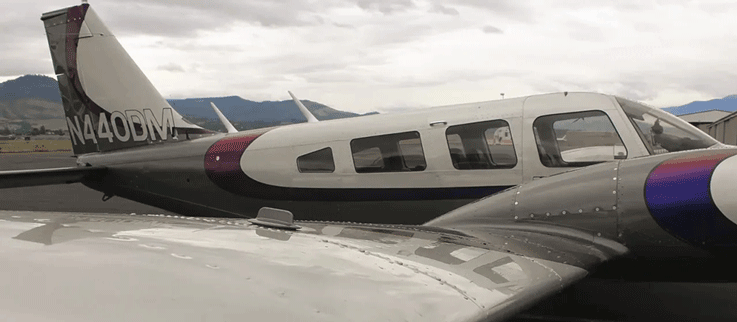
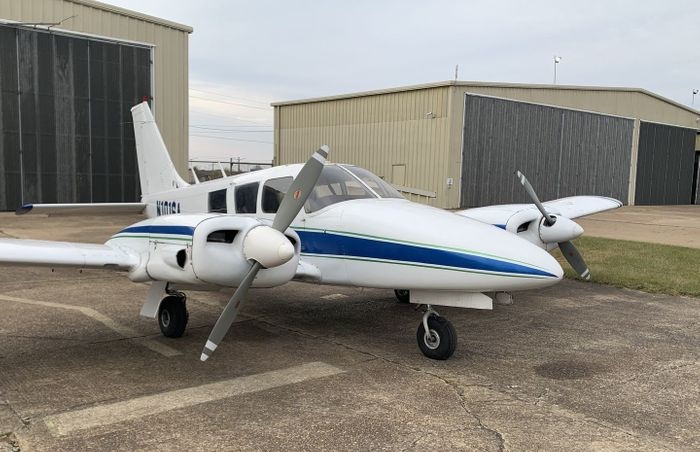
The Piper Seneca is one of the most enduring twin-engine piston aircraft ever produced, with a production run spanning more than four decades from 1972 to 2009. Originally derived from the single-engine Piper Cherokee Six, the Seneca evolved through five major variants — each offering progressive improvements in power, avionics, and passenger comfort. Today, more than 4,800 Senecas remain on the FAA registry, making it one of the most popular used twin-piston platforms in the world. Whether you're a private owner seeking an affordable multi-engine aircraft, a flight school operator looking for a reliable IFR trainer, or a regional charter operator needing a six-seat workhorse, the Seneca Series offers exceptional value and versatility.
At Airplane-Trade, we specialize in connecting buyers and sellers of Piper Seneca aircraft across all variants — from early PA-34-200 models through the sophisticated Seneca V PA-34-220T. Browse our current inventory of verified Seneca listings, each with detailed specifications, maintenance records, and direct seller contact information.
Piper Seneca Model History: All 5 Variants Explained
Understanding the differences between each Seneca generation is essential for making an informed purchase. The five models span 37 years of production and differ significantly in engine type, cabin pressurization (none), avionics capability, and maintenance cost.
Seneca I (PA-34-200) — 1972–1974
The original Seneca entered service in 1972 as a direct development of the Cherokee Six airframe. It was powered by two Lycoming IO-360-C1E6 engines producing 200 hp each, driving counter-rotating propellers to minimize p-factor effects. The Seneca I seats up to six occupants in a 47-inch wide cabin — wide enough to accommodate club seating arrangements. Empty weight runs approximately 2,750 lbs, with a maximum gross weight of 4,000 lbs, yielding a useful load near 1,250 lbs. Cruise speed is around 196 mph (170 knots) TAS at 75% power at 7,500 feet, with a range of approximately 740 nm with reserves. The Seneca I is the most affordable entry point into the series, with airworthy examples typically trading between $40,000 and $80,000 depending on total time and avionics fit.
Seneca II (PA-34-200T) — 1975–1980
Piper introduced the Seneca II in 1975 with a significant powerplant upgrade: the Continental TSIO-360-E/EB turbocharged engines, each delivering 200 hp at altitude. Turbocharging transformed the Seneca's high-altitude performance, enabling a service ceiling of 25,000 feet and maintaining full rated power up to 12,000 feet. The cabin was subtly refined with improved soundproofing and a redesigned instrument panel. The Seneca II introduced the distinctive T-tail appearance that would define the series going forward, and the Continental engines with their counter-rotating configuration eliminated critical engine concerns. Many operators consider the Seneca II the sweet spot of early-series values — capable turbocharged performance at used-market prices often ranging from $70,000 to $140,000.
Seneca III (PA-34-220T) — 1981–1995
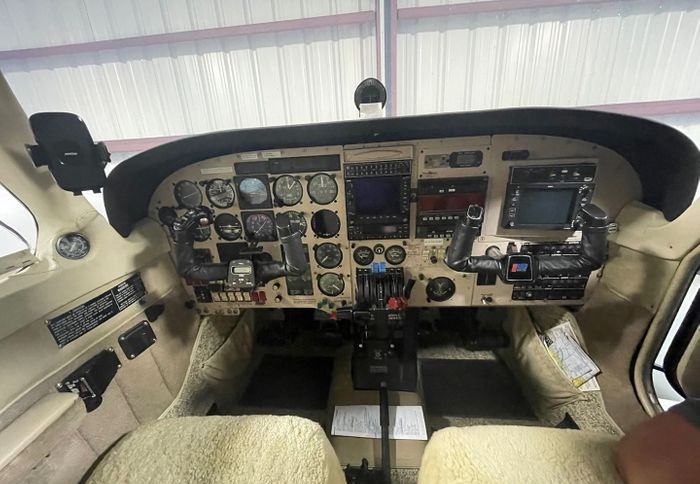
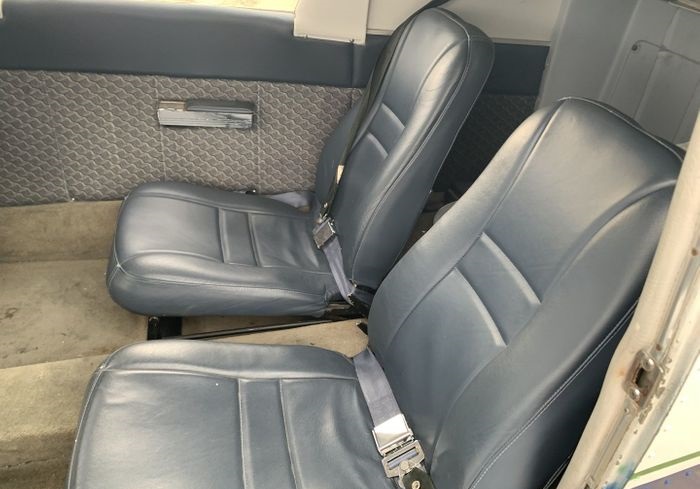
The Seneca III marked the most substantial engineering revision in the series. Piper switched to the Continental TSIO-360-KB engines producing 220 hp each — a 10% power increase over the Seneca II. More importantly, the Seneca III incorporated a redesigned nose and cowling for improved aerodynamics, a completely new interior with wider seats and improved baggage access, and structural reinforcements that increased maximum gross weight to 4,570 lbs. The instrument panel was enlarged to accommodate modern avionics suites. Service ceiling increased to 25,000 feet, and cruise speed improved to approximately 213 mph (185 knots) TAS. Seneca IIIs are among the most commonly found models on the used market, with prices ranging from $120,000 to $250,000 depending on year, total time, and installed avionics.
Seneca IV (PA-34-220T) — 1994–1995
The Seneca IV was a relatively brief transitional variant produced during 1994–1995. It retained the Seneca III powerplant but introduced a significantly upgraded interior, including improved insulation, LED lighting options in later production, and a modernized panel with provisions for glass avionics. Structurally identical to the Seneca III, the IV is often grouped with late-model IIIs by maintenance facilities. Only a small number were produced, making them less common on the used market but well-regarded for their near-Seneca V quality at lower prices.
Seneca V (PA-34-220T) — 1996–2009
The Seneca V represents the pinnacle of Piper's twin piston line. Production ran from 1996 through 2009, making it the longest-lived single variant. Power remains 220 hp per side from Continental TSIO-360-RB engines, but the Seneca V features a completely redesigned cabin with 4-foot aisle access, executive-grade seating, dual air conditioning, and cabin altitude pressurization assistance (note: the Seneca V is NOT pressurized — it is merely well-sealed and climate-controlled). The avionics suite in later Seneca Vs typically includes the Garmin G500 or Avidyne Entegra glass panel, Garmin GNS 430/530 or GTN 650/750 navigators, and TCAS traffic systems. Maximum gross weight is 4,773 lbs. Service ceiling is 25,000 feet. Cruise speed is approximately 220 mph (191 knots) TAS at 75% power. Well-equipped late-model Seneca Vs routinely trade between $400,000 and $650,000.
Piper Seneca Technical Specifications Comparison
The table below provides a side-by-side comparison of key performance and dimensional data across all five Seneca variants:
| Specification |
Seneca I |
Seneca II |
Seneca III/IV |
Seneca V |
| Years Produced |
1972–1974 |
1975–1980 |
1981–1995 |
1996–2009 |
| Engines |
Lyc. IO-360-C1E6 |
Cont. TSIO-360-E |
Cont. TSIO-360-KB |
Cont. TSIO-360-RB |
| Power (each) |
200 hp |
200 hp turbo |
220 hp turbo |
220 hp turbo |
| Max Gross Weight |
4,000 lbs |
4,570 lbs |
4,570 lbs |
4,773 lbs |
| Useful Load (approx) |
1,250 lbs |
1,300 lbs |
1,320 lbs |
1,380 lbs |
| Cruise Speed (75%) |
170 ktas |
178 ktas |
185 ktas |
191 ktas |
| Service Ceiling |
14,200 ft |
25,000 ft |
25,000 ft |
25,000 ft |
| Range (w/ reserves) |
740 nm |
810 nm |
830 nm |
820 nm |
| Fuel Capacity |
93 gal |
93 gal |
93 gal |
93 gal |
| Seats |
6 |
6 |
6 |
6 |
| Cabin Width |
47 in |
47 in |
49 in |
49 in |
Piper Seneca Engines: Maintenance, TBO, and Overhaul Costs
Engine condition is the single most important factor in Piper Seneca valuation. Buyers should always confirm total time since new (TTSN), time since major overhaul (SMOH), and the identity of the shop that performed the overhaul. Factory overhauls from Continental carry a different (higher) value than field overhauls.
Continental TSIO-360 Series — Key Facts
The turbocharged Continental TSIO-360 family powers all Seneca II through V variants. The factory recommended TBO (Time Between Overhaul) is 1,800 hours for most variants. In practice, well-maintained engines frequently reach and exceed TBO, while those operated irregularly or improperly stored may require top overhaul or major overhaul earlier. Cylinder compressions should be 60/80 or better on all cylinders; readings below 55/80 warrant investigation. Oil analysis (spectrographic) every 25 to 50 hours provides an early warning system for bearing wear, cylinder wear, and combustion byproducts.
Engine Overhaul Cost Estimates
| Factory Reman (per engine) |
$35,000 – $45,000 |
| Premium Field Overhaul |
$22,000 – $32,000 |
| Standard Field Overhaul |
$16,000 – $22,000 |
| Top Overhaul (cylinders only) |
$6,000 – $12,000 |
| Turbocharger Replacement (per side) |
$3,500 – $6,000 |
| Engine Mount Inspection/Replacement |
$800 – $2,500 |
A Seneca with both engines recently overhauled by a reputable shop commands a substantial premium over mid-time or high-time engines. When evaluating aircraft, always ask for logbook entries, 337 forms for STC modifications, and the airworthiness directives compliance record.
Key Airworthiness Directives (ADs) — Piper Seneca
All aircraft are subject to Federal Aviation Regulations Part 39 Airworthiness Directives. Prospective buyers must verify AD compliance before purchase. A pre-buy inspection by an A&P/IA familiar with the Seneca series is strongly recommended. The following are among the most significant recurring or one-time ADs affecting the Seneca fleet:
- AD 2006-10-13: Inspection of the elevator trim tab horn for corrosion — recurring
- AD 93-01-02: Main spar inspection (early Seneca I/II) — one-time with inspection program
- AD 98-23-05: Continental TSIO-360 crankshaft inspection — critical compliance item
- AD 2013-20-09: Propeller inspection (Hartzell) — time-limited recurring
- AD 2015-22-07: Rudder hinge bracket inspection — one-time
This list is illustrative, not exhaustive. A full AD search should be conducted through the FAA's AD database (rgl.faa.gov) using the aircraft make, model, and applicable engine/propeller type certificates. Ensure all applicable ADs are complied with and properly documented in the aircraft logbooks.
How to Buy a Piper Seneca: Pre-Buy Inspection Checklist
A thorough pre-buy inspection protects buyers from costly surprises. The following checklist represents the key items to verify when evaluating any Seneca for purchase:
Airframe Inspection
- Review airframe logbook: total time, annual inspection history, major repairs or alterations
- Inspect wing spars for corrosion, especially at wing root joints and fuel bay areas
- Examine landing gear system: retraction/extension mechanism, actuator condition, gear door operation
- Check cabin doors and baggage door seals for proper seating — a common wear item
- Inspect elevator and rudder hinges for play or wear
- Verify all 337 major repair/alteration forms are on file and match the aircraft configuration
Engine and Powerplant
- Confirm total time since new and time since overhaul for both engines
- Run engines to operating temperature; check for any oil leaks, unusual sounds, or vibration
- Perform cylinder compression checks — minimum 60/80 psi acceptable
- Review oil analysis history; request fresh analysis if not recently done
- Inspect turbochargers for shaft play, oil seepage, and wastegate operation
- Verify propeller condition, blade tracking, and time since last overhaul
Avionics and Systems
- Test all navigation and communication radios, including IFR certification currency
- Verify autopilot operation in pitch, roll, and altitude hold modes
- Check pitot-static system certification (required every 24 months for IFR)
- Test stall warning system, gear warning horn, and fuel selector warning systems
- Verify ADS-B Out compliance (required since January 2020)
- Test weather radar or datalink if installed
Piper Seneca vs. Competitors: How Does It Compare?
The Seneca competes in the light twin market alongside the Beechcraft Baron, Cessna 310/340, and Piper Navajo. Understanding the tradeoffs helps buyers select the right aircraft for their mission profile.
|
Piper Seneca V |
Beechcraft Baron 58 |
Cessna 340A |
Piper Navajo |
| Engines |
TSIO-360 (220 hp) |
IO-550 (300 hp) |
TSIO-520 (310 hp) |
TIO-540 (310 hp) |
| Seats |
6 |
6 |
6 |
8–10 |
| Cruise (ktas) |
191 |
202 |
210 |
190 |
| Pressurization |
No |
No |
Yes |
No |
| Range |
820 nm |
1,225 nm |
940 nm |
930 nm |
| Useful Load |
~1,380 lbs |
~1,600 lbs |
~1,450 lbs |
~2,200 lbs |
| Avg Used Price |
$200k–$600k |
$250k–$700k |
$150k–$350k |
$80k–$250k |
| Operating Cost/hr |
~$180–$220 |
~$220–$280 |
~$200–$260 |
~$200–$260 |
Note: All figures are approximate and vary with aircraft vintage, avionics fit, and maintenance status. Operating costs include fuel, maintenance reserves, and insurance estimates. Consult current market data and type-specific insurance underwriters for accurate figures.
Piper Seneca Operating Costs: What to Budget
Operating cost transparency is essential for buyers transitioning from single-engine to twin-engine aircraft. The jump to twin-engine ownership brings significant capability gains alongside higher fixed and variable costs. The following estimates apply to a well-maintained mid-time Seneca III or IV operated approximately 150–200 hours per year:
| Fuel (avgas @$6.50/gal, 24 gph) |
$156 per flight hour |
| Maintenance Reserve |
$50–$80 per flight hour |
| Engine Reserve (2 engines) |
$40–$60 per flight hour |
| Annual Inspection |
$3,500–$7,000 per year |
| Hangar (varies by region) |
$400–$1,200 per month |
| Insurance (varies by pilot) |
$4,000–$12,000 per year |
| Total Variable (est.) |
$240–$300 per flight hour |
| Total Fixed (est. annual) |
$10,000–$20,000 per year |
Seneca V operating costs run approximately 15–25% higher than Seneca III/IV due to higher insurance premiums, more complex avionics, and higher parts costs for later-production components. Owners who fly 200+ hours annually can significantly reduce per-hour fixed costs through shared ownership or leaseback arrangements.
Piper Seneca: Ideal Mission Profiles
Understanding whether the Seneca matches your actual flying needs prevents costly mismatches between aircraft capability and mission reality. The Seneca excels in the following use cases:
Private and Business Travel
The six-seat cabin, 820+ nm range, and IFR capability make the Seneca an excellent personal travel aircraft for owners who regularly fly distances of 300–700 nm. The turbocharged engines allow comfortable flight at altitudes above convective weather. For business principals who travel to destinations without airline service, a Seneca V with glass avionics represents a compelling value versus charter or fractional ownership.
Multi-Engine Flight Training
Flight schools operate Seneca I and II models extensively as multi-engine instrument training aircraft. The counter-rotating propellers eliminate Vmc (minimum control speed with critical engine inoperative) concerns that affect conventional twin installations, making training more straightforward. Published Vmc for the Seneca is 56 knots — well below the clean stall speed — enhancing safety margins. Insurance for training operations requires specific endorsements and typically limits pilot minimums.
Air Charter and Air Taxi
Part 135 operators in remote and regional markets use Seneca IIIs and Vs extensively. Their combination of payload, range, and IFR capability covers a wide range of charter missions. FAA Part 135 certification requires additional maintenance intervals (100-hour inspections), specific avionics, and operational limitations that prospective charter operators should evaluate carefully with their FSDO.
Aerial Photography and Survey
The Seneca's stable handling characteristics and large cabin make it popular for aerial photography, mapping, and geophysical survey operations. Belly-mounted camera systems and wing-mounted sensor pods are common STC modifications. These installations require Form 337 documentation and often affect weight and balance calculations that buyers of modified aircraft should carefully review.
Financing a Piper Seneca Purchase
Most lenders who finance general aviation aircraft offer terms for Seneca purchases, though requirements vary by model year and transaction size. Key considerations include:
- Aircraft loans typically require 15–20% down payment for new buyers
- Lender-approved appraisers may be required — confirm the appraiser is USPAP-certified for aviation
- Aircraft title search through AOPA or a specialized aviation title company is strongly recommended
- Lien searches through the FAA Aircraft Registry and UCC filings protect buyers from inherited debt
- Insurance commitment letters are typically required before loan closing
Specialized aviation lenders including AOPA Finance, First Aviation Services, and Dorr Aviation Credit offer competitive rates for qualified buyers. Interest rates for aircraft loans typically track 1–2% above comparable term commercial loan rates, with terms of 10 to 15 years for aircraft in this price range.
Why Buy a Piper Seneca Through Airplane-Trade?
Airplane-Trade provides a curated marketplace for Piper Seneca aircraft at all price points. Our platform differs from general aviation classifieds in several important ways: every Seneca listing on our platform includes detailed specification sheets, comprehensive photo sets, and direct seller contact. We do not insert brokers between buyer and seller, ensuring that you negotiate directly with the actual owner or authorized agent. Our search tools allow filtering by year range, engine time, avionics fit, price, and geographic proximity — saving buyers hours of research across fragmented classified platforms.
Our editorial team produces in-depth buyer's guides and market analysis articles specific to the Piper Seneca series, giving buyers the background knowledge they need to evaluate aircraft confidently. Sellers benefit from our qualified buyer audience and transparent listing analytics. Browse our complete Piper Seneca inventory below, or contact our team for assistance identifying aircraft that match your specific requirements.
Frequently Asked Questions: Piper Seneca
What is the Piper Seneca Vmc?
The Vmc (minimum control speed with critical engine inoperative) for all Seneca variants is 56 knots indicated airspeed. This is significantly below the aircraft's stall speed, meaning that if an engine fails at or above Vmc, the aircraft can be controlled with rudder input alone. This characteristic makes the Seneca one of the safest light twins to train in.
Is the Piper Seneca pressurized?
No. None of the Piper Seneca variants is pressurized. The Seneca V has a well-sealed cabin with improved door seals and climate control, but it operates at ambient atmospheric pressure. Pilots and passengers at cruise altitudes of 18,000–25,000 feet will require supplemental oxygen per FAR 91.211. For pressurized twin performance at a similar price point, consider the Cessna 340A or Piper Malibu.
How much does it cost to own a Piper Seneca?
Total ownership cost depends heavily on the model year, utilization rate, and hangar location. As a rough guideline, expect $15,000–$25,000 in annual fixed costs (insurance, hangar, annual inspection) plus $240–$300 per flight hour in variable costs for a mid-time Seneca III or IV. A well-maintained Seneca V will run higher due to insurance and parts costs.
What is the fuel burn of a Piper Seneca?
The Seneca I burns approximately 20–22 gallons per hour (gph) at 65–75% power. Seneca II through V models burn approximately 22–26 gph at cruise power settings, depending on altitude and power setting. Rich-of-peak operation at lower power settings can reduce fuel burn to 18–20 gph with modest speed reduction.
How many hours can a Piper Seneca airframe last?
Properly maintained Seneca airframes have demonstrated service lives well beyond 10,000 hours total time. There is no published airframe TBO or retirement hour limit established by the FAA or Piper for the Seneca. Airworthiness depends on compliance with applicable ADs and condition findings during annual inspections, not calendar age or total hours alone.