

Popular
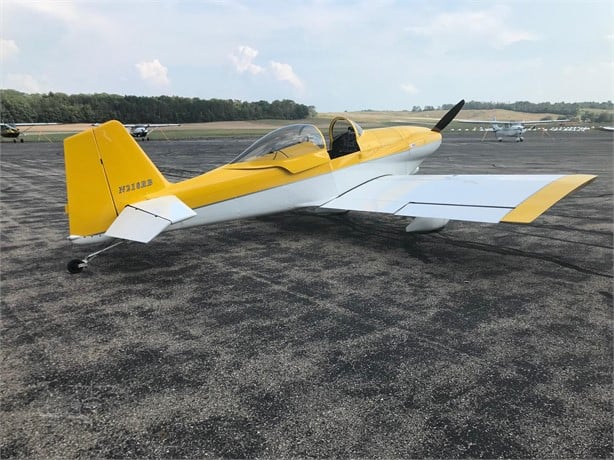
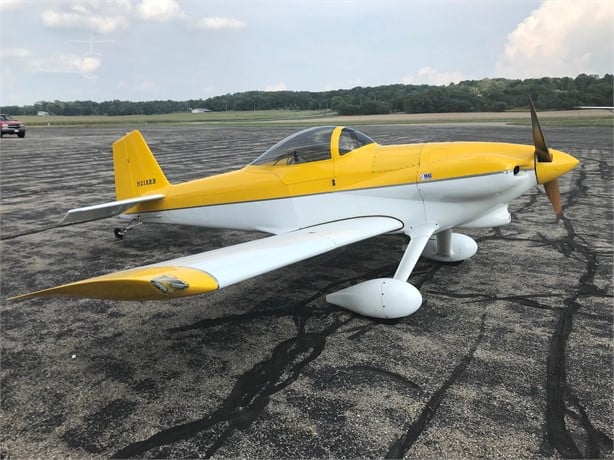
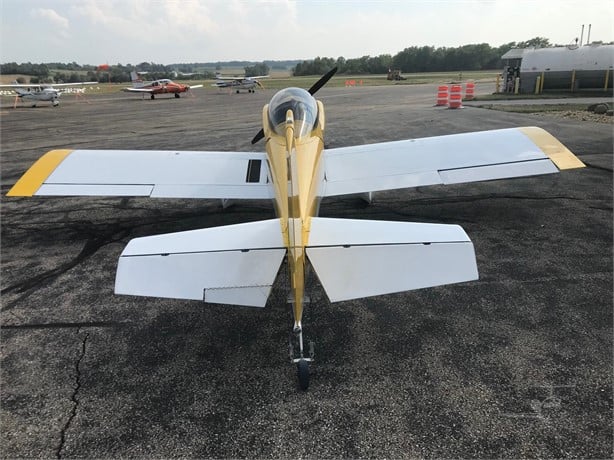
1990 Van’s RV-3
- January 7, 2023
The Vans RV-3 is the aircraft that started it all — the original design by Richard VanGrunsven that launched the entire Van's Aircraft RV dynasty and defined what a homebuilt aircraft could achieve. Introduced in the early 1970s, the RV-3 is a single-seat, low-wing monoplane of exceptional performance and purity of design. With a top speed approaching 200 mph and a roll rate exceeding 180 degrees per second, the RV-3 outperformed virtually every factory-built light aircraft of its era while costing a fraction of the price to build. Today the RV-3 occupies a special place in experimental aviation history — a collector's aircraft, an aerobatic performer, and the proud ancestor of more than 11,000 RV aircraft now flying worldwide. Airplane Trade offers RV-3 listings for buyers and sellers seeking these rare, historically significant homebuilt aircraft.
Richard VanGrunsven designed the RV-3 after building and flying the earlier VP-1, which while successful left him wanting better performance and handling. His solution was a purpose-designed low-wing monoplane with a laminar flow wing, a tight aluminum semi-monocoque fuselage, and a direct-drive Lycoming engine — a combination that produced startling performance from modest horsepower.
The RV-3 first flew in 1971 and immediately attracted attention at air shows and fly-ins for its combination of speed, agility, and the fact that it was built by one man in a home workshop. It demonstrated conclusively that homebuilders could produce aircraft superior to many certified designs of the era, a revelation that fundamentally changed the experimental aviation movement. The RV-3 led directly to the RV-4, then the RV-6, and eventually to the fourteen-model RV family that Van's Aircraft offers today — all sharing the same core design philosophy of maximum performance through aerodynamic efficiency and light construction.
The RV-3 is an all-metal aircraft constructed primarily from aluminum alloy sheet, with a semi-monocoque fuselage and a two-spar wing using Van's signature laminar flow airfoil. The airframe is built using standard aircraft construction techniques — riveted aluminum skins over formed ribs and longerons — making it well within the capabilities of a careful builder with basic metalworking tools. The single-seat cockpit is snug by modern standards but entirely practical, with good visibility over the low cowling and an excellent field of view for aerobatic maneuvers.
Most RV-3s are powered by the Lycoming O-235 producing 115 horsepower, though some builders have fitted the O-320 for additional performance. The direct-drive engine and fixed-pitch propeller combination keeps the powerplant simple and maintenance-friendly. Fuel is carried in wing tanks, and the basic systems architecture is intentionally uncomplicated — a reflection of the era in which the aircraft was designed and Van's philosophy of building aircraft that pilots can maintain themselves.
For an aircraft designed in the early 1970s and powered by modest horsepower, the RV-3's performance figures remain impressive today:
The roll rate in particular remains extraordinary — faster than many purpose-built aerobatic aircraft and equal to some military trainers. Combined with light, harmonious control forces, the RV-3 is a genuine pilot's airplane that rewards skill and delivers an unfiltered flying experience rarely found in modern designs.
Because the RV-3 is the foundational aircraft of the entire RV dynasty, well-preserved examples attract significant interest from experimental aviation collectors and historians. Production of RV-3 kits ended decades ago, meaning the total number of flying RV-3s is limited and gradually declining as airframes reach the end of their service lives. A well-built, well-maintained RV-3 with complete documentation is a genuine piece of aviation history — an aircraft that earned its place in the Smithsonian's collection of significant designs alongside far more expensive certified aircraft.
Buyers should carefully evaluate any RV-3 purchase with attention to airframe age and inspection history, engine time and condition, structural integrity of key components, and the completeness of build and maintenance documentation. A pre-buy inspection by an experienced A&P familiar with experimental aircraft is strongly recommended.
Browse RV-3 Series listings on Airplane Trade and connect directly with sellers. Whether you are a collector, an aerobatic enthusiast, or an RV historian looking to preserve one of these landmark aircraft, our platform gives you direct access to available examples. Start your search today.