
Popular
2020 Van’s RV-7/7A
- January 5, 2023
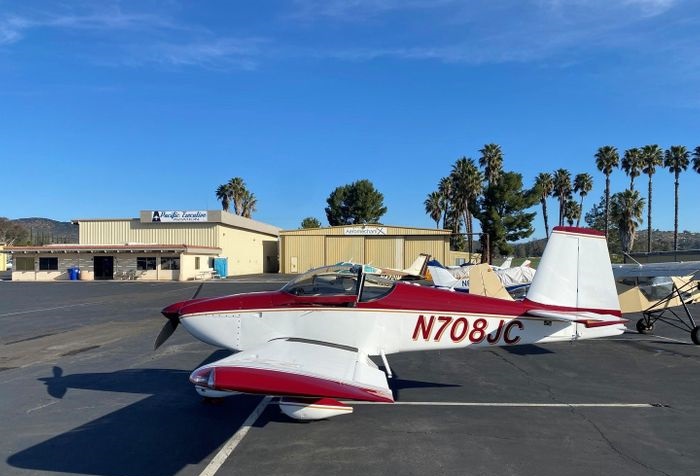
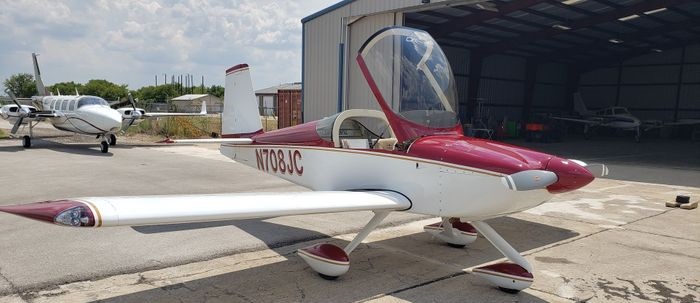
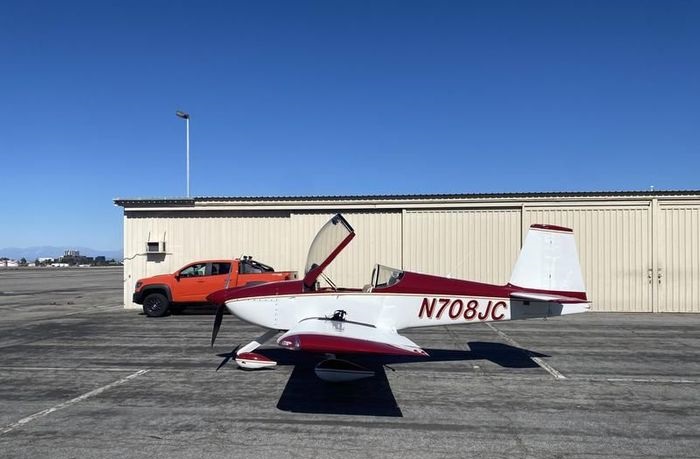
The Vans RV-7 (tailwheel) and RV-7A (tricycle gear) are the modern standard-bearers of the Van's Aircraft side-by-side two-seat tradition — refined successors to the legendary RV-6 that brought improved kit quality, better systems provisions, and enhanced accommodation for contemporary avionics while preserving every bit of the speed, agility, and pure flying pleasure that made their predecessor one of the most celebrated homebuilt aircraft ever designed. Together the RV-7 and RV-7A have become the most popular current-production Van's Aircraft models, with thousands of examples flying across every continent. Airplane Trade connects buyers and sellers of RV-7 and RV-7A aircraft globally, offering a trusted marketplace for these outstanding homebuilts.
The RV-7 and RV-7A are functionally identical aircraft that differ only in their landing gear configuration. The RV-7 features conventional tailwheel gear — the choice of pilots who want the ultimate in aerodynamic cleanliness, a slight top speed advantage, and the challenge and reward of traditional tailwheel operations. The RV-7A uses tricycle nosewheel gear, making ground handling more straightforward and the aircraft easier to land for pilots transitioning from modern certified trainers. Both variants use identical wings, fuselage, engine mount, cowling, and canopy — making the choice purely one of pilot preference and operating environment.
In cruise flight, the performance difference between the two variants is negligible in practical terms — within the margin of measurement variation between individual aircraft. Pilots who regularly operate from short, rough, or grass strips may prefer the slightly better prop clearance of the tailwheel configuration; those who frequently use busy paved airports often prefer the tricycle gear for its more forgiving crosswind behavior.
With the standard Lycoming O-360 producing 180 horsepower, the RV-7 and RV-7A deliver:
These numbers place the RV-7 and RV-7A squarely in the high-performance category — faster than most certified single-engine aircraft with comparable engine displacement, with dramatically better roll rate and aerobatic capability than anything certified. The aircraft is approved for full aerobatics in the utility category, including loops, rolls, inverted flight, and spins.
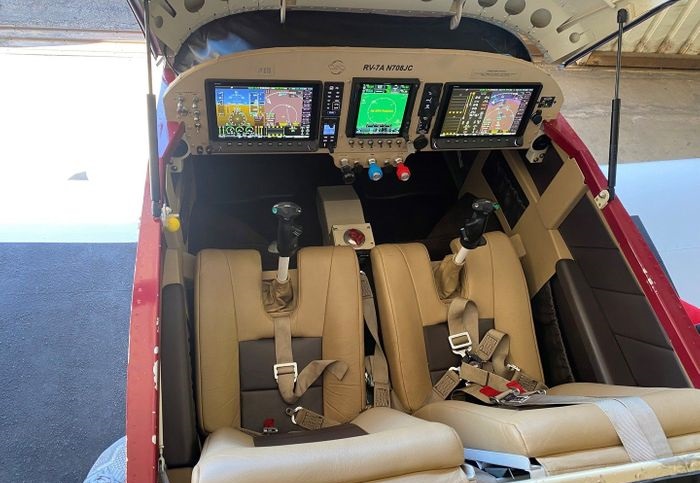
The RV-7 was designed from the outset with better avionics provisions than the RV-6 — a wider instrument panel, revised firewall penetration points, and improved electrical bus architecture. The result is that RV-7s and RV-7As are among the most avionics-friendly homebuilt aircraft available. The vast majority of examples completed in the past decade feature full glass panels using the Garmin G3X Touch or Dynon SkyView HDX systems, integrated engine monitoring, ADS-B in/out compliance, moving map navigation, and two-axis autopilots. Many owners add IFR-capable navigators for genuine all-weather capability. The combination of high performance airframe with modern glass cockpit makes the equipped RV-7 a remarkably capable and affordable cross-country machine.
Because Van's Aircraft RV-7 kits are known for their precision manufacturing and excellent instructions, RV-7 and RV-7A builds are generally of high quality across the market — but individual workmanship still varies significantly. When evaluating any used example, carefully review the build log for evidence of systematic, documented construction; look for evidence of proper rigging and alignment; and verify engine and avionics condition. Aircraft with professional pre-buy inspections and documented maintenance histories command premium prices and represent the best value for buyers who want confidence in their purchase. A qualified A&P mechanic familiar with experimental aircraft should inspect any RV-7 before purchase.
Search current RV-7 and RV-7A listings on Airplane Trade. Filter by landing gear configuration, engine hours, avionics fit, and location. Connect directly with sellers — private owners, estate sales, and professional builders — without broker fees. Start your search today and find the side-by-side RV that fits your flying style.