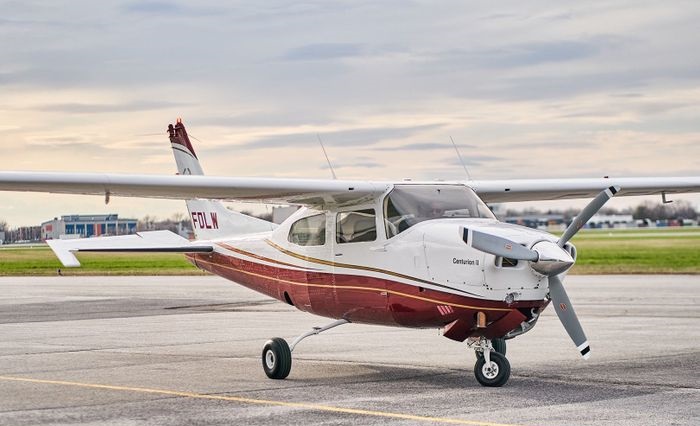
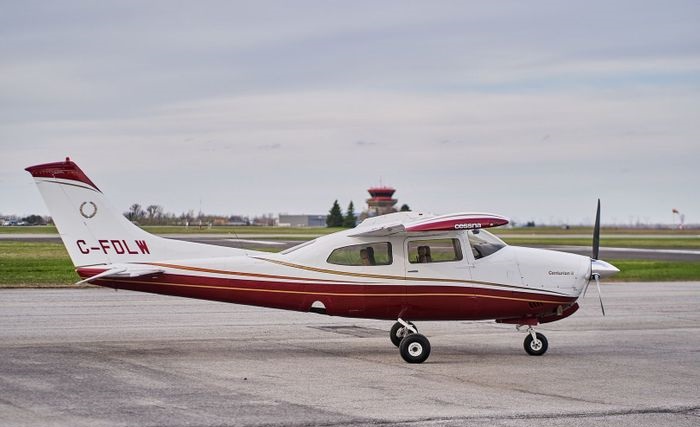
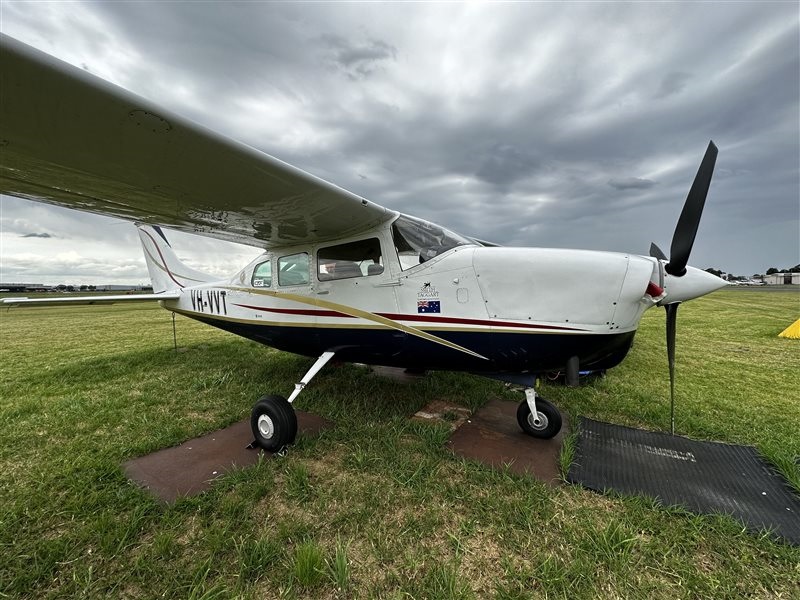
Cessna 210 Turbo Series for Sale — Buy or Sell a Turbo Centurion Worldwide
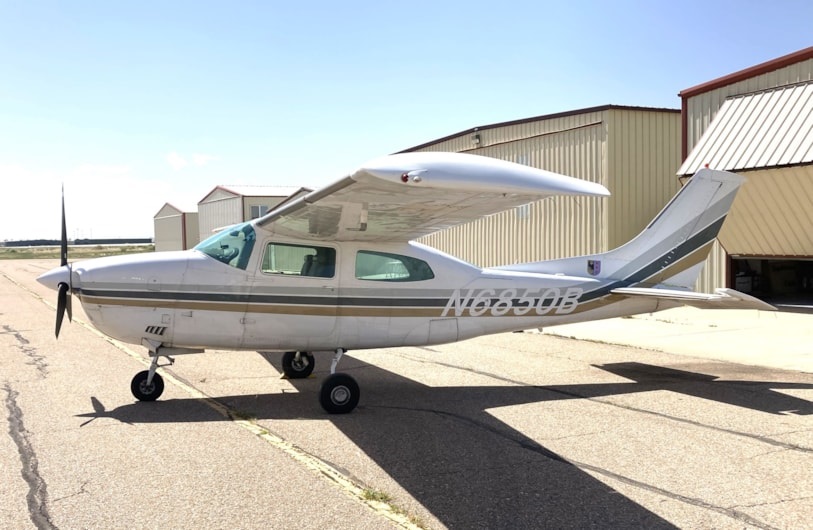
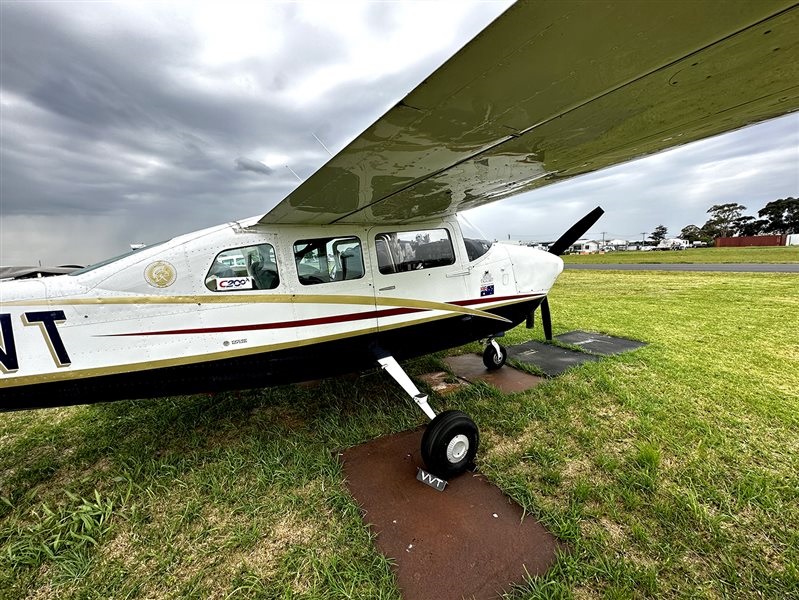
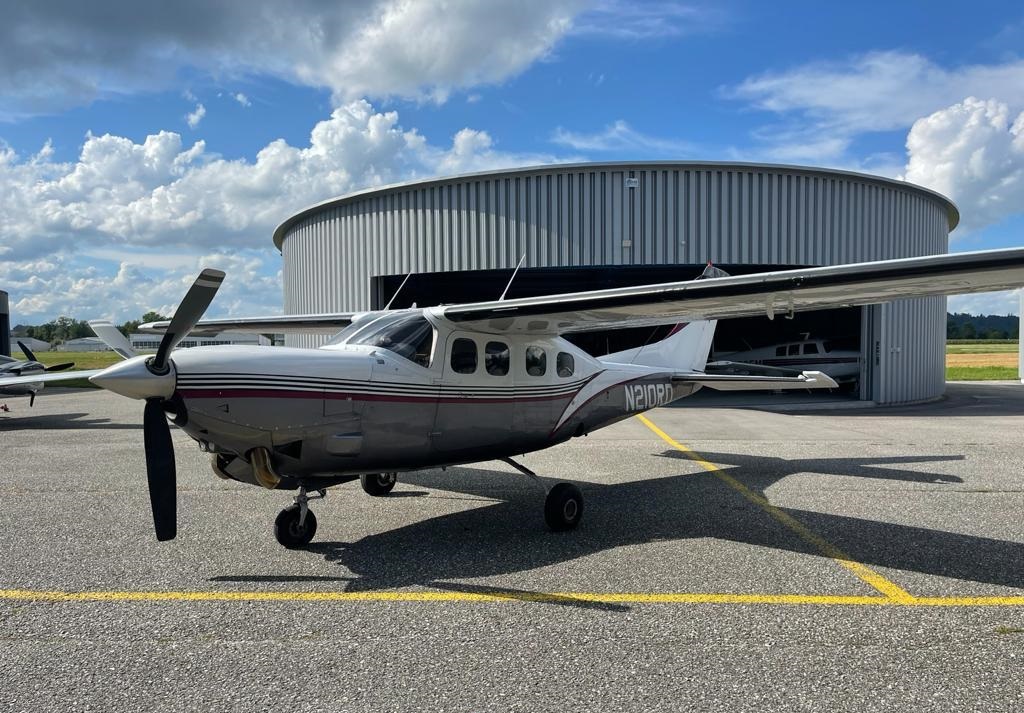
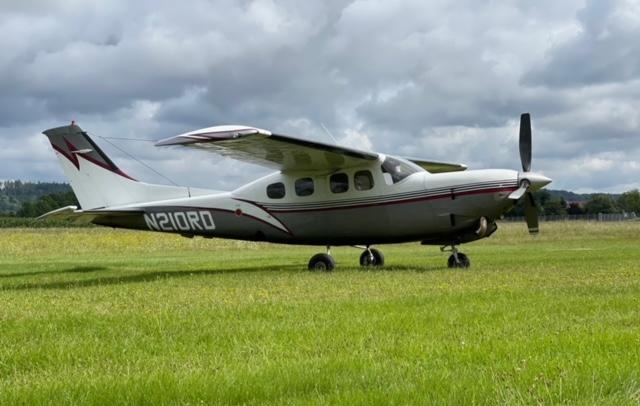
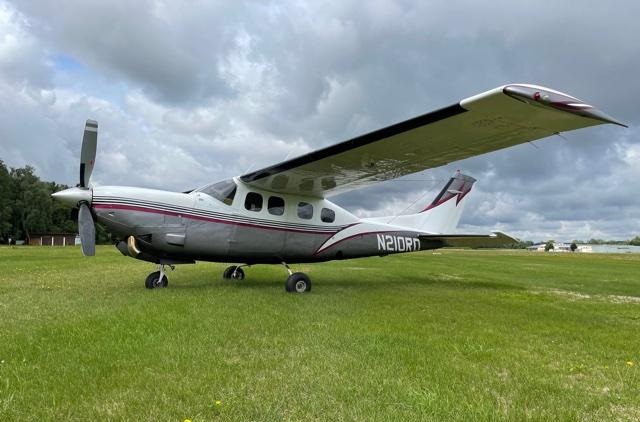
The Cessna 210 Turbo Series — encompassing the T210, Turbo Centurion, and their various sub-variants — represents the pinnacle of Cessna's single-engine retractable lineup. By combining the roomy, high-wing cabin of the 210 with a turbocharged Continental TSIO-520 engine, Cessna created a high-performance cross-country traveller capable of cruising at altitudes where weather and turbulence can be comfortably avoided, at speeds that rival many light twins. Cessna 210 Turbo aircraft for sale are highly sought after by pilots who demand the best combination of speed, range, cabin space, and single-engine economy available in a piston retractable. Airplane Trade connects buyers and sellers of Turbo Centurions worldwide with verified listings and complete specifications.
History of the Cessna 210 Turbo Series
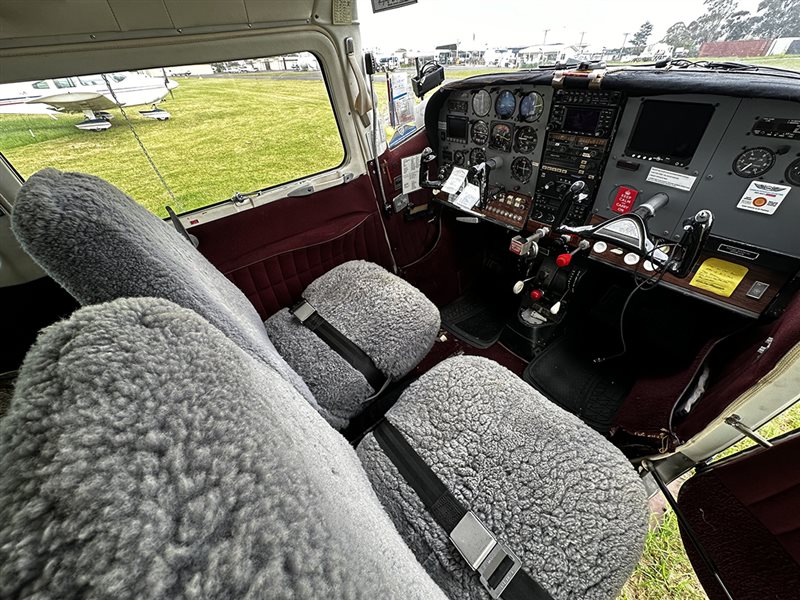
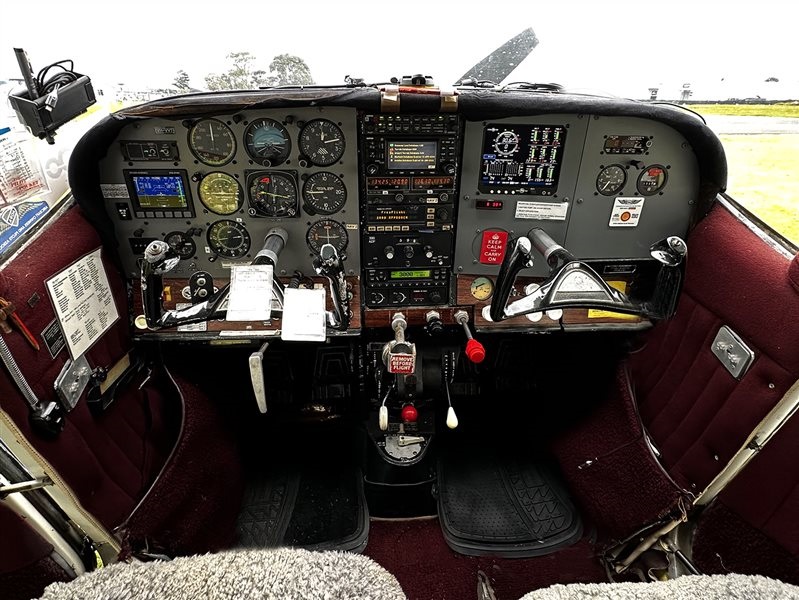
Cessna introduced the Model 210 in 1960 as its top-of-the-line high-performance single, featuring a retractable undercarriage and a powerful Continental engine in a cantilever high-wing configuration. The turbocharged version, designated the T210, arrived in 1966, offering significantly improved high-altitude performance. Throughout the 1970s and early 1980s Cessna progressively refined the design, introducing pressurized airframe variants (the P210 Pressurized Centurion), strengthened spars, improved fuel injection systems, and more capable turbocharged engines. The final production Turbo Centurions — the T210N and T210R — are among the finest normally-aspirated and turbocharged piston singles ever built, with a cavernous six-seat cabin, a full-IFR avionics suite, and a Continental TSIO-520-R or TSIO-520-CE engine rated at 310 hp. Production ended in 1986, and the Turbo Centurion has been a collector and high-performance cross-country favourite ever since.
Turbo Centurion Variants
- T210F / T210G (1966–1967) — First turbocharged 210; Continental TSIO-520-C, 285 hp; fixed cowl flaps; relatively rare on today's market.
- T210H / T210J (1968–1969) — Revised cowling; improved Continental TSIO-520-H engine; increased fuel capacity; gaining wider cowl flaps.
- T210K / T210L (1970–1976) — Cantilever wing (no struts) introduced; significantly cleaner aerodynamics; 300 hp TSIO-520-H engine; improved cabin with six seats standard.
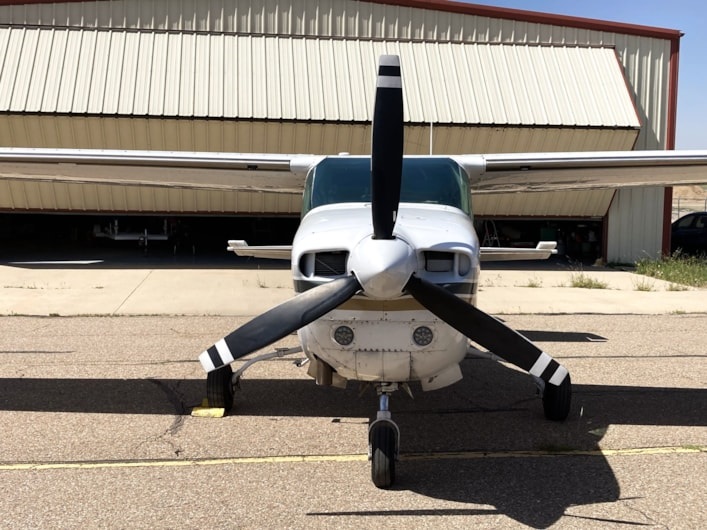
- T210M (1977–1979) — Revised engine cowling for improved cooling; minor interior refinements; TSIO-520-R engine.
- T210N Turbo Centurion II (1979–1985) — Most common turbo variant on the used market; 310 hp Continental TSIO-520-R; strengthened wing spar; improved fuel system; standard 6-seat interior.
- T210R Turbo Centurion (1985–1986) — Final turbocharged 210 variant; TSIO-520-CE engine; various refinements; relatively rare; commands a premium.
- P210N / P210R Pressurized Centurion — Pressurized cabin variant with TSIO-520-AF engine; allows sea-level cabin up to 12,000 ft equivalent at 20,000 ft altitude; highly desirable for long-range IFR travel.
Performance — T210N Turbo Centurion II
- Engine — Continental TSIO-520-R, 310 hp (turbocharged)
- Maximum Speed — 213 mph (185 knots / 343 km/h)
- Cruise Speed — 196 mph (170 knots / 316 km/h) at 75% power, 20,000 ft
- Range — 1,120 miles (1,800 km) with standard fuel and 45-min reserve
- Service Ceiling — 27,000 ft (8,230 m)
- Rate of Climb — 1,030 ft/min (sea level, MTOW)
- MTOW — 4,000 lb (1,814 kg)
- Useful Load — Approximately 1,350 lb (612 kg)
- Fuel Capacity — 89 gallons usable (long-range tanks)
- Seating — Pilot + 5 passengers (6-seat configuration)
Strengths of the Turbo Centurion
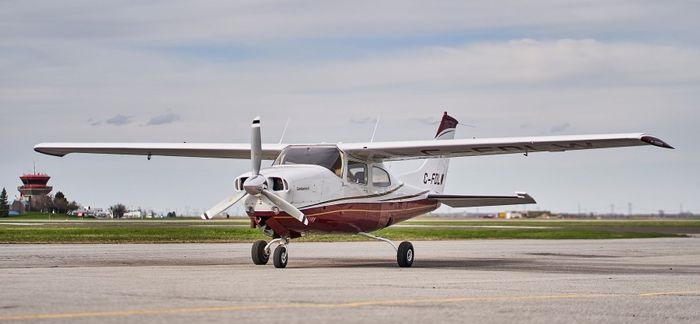
Few single-engine piston aircraft can match the T210's blend of capabilities for the serious IFR cross-country pilot. The cantilever high wing provides exceptional cabin visibility while keeping the ground clearance and centre-of-gravity range that makes loading easy. The spacious cabin — wider and taller than competitors from Piper and Beechcraft — accommodates six adults and their luggage in genuine comfort. The turbocharged engine allows the T210 to cruise at Flight Level 200 or above, comfortably above most weather systems, at true airspeeds approaching 175 knots. The wide-chord, sturdy main spar wing of the later N and R models is widely regarded as one of the strongest in its class. With tip tanks, range extends to over 1,200 nm — exceptional for a single-engine piston aircraft.
Buying a Cessna 210 Turbo — What to Inspect
- Spar Corrosion AD — The 210 series has a critical Airworthiness Directive (AD 84-26-02 and related) relating to main spar corrosion on certain serial numbers; verify compliance and obtain spar inspection records before purchase.
- Engine Condition (SMOH) — Continental TSIO-520 TBO is 1,600 hours; turbocharged engines in hard service may show premature wear; commission a pre-purchase compression test and borescope inspection.
- Turbocharger System — Inspect wastegate, intercooler, and exhaust system for cracks, leaks, and wastegate valve wear; repair costs can be significant.
- Retractable Gear System — Check actuators, downlocks, uplocks, and gear doors for wear and proper rigging; gear system maintenance is more expensive than fixed-gear aircraft.
- Fuel Bladder Condition — Fuel bladders on older T210s can deteriorate; replacement is costly; inspect for leaks and deterioration.
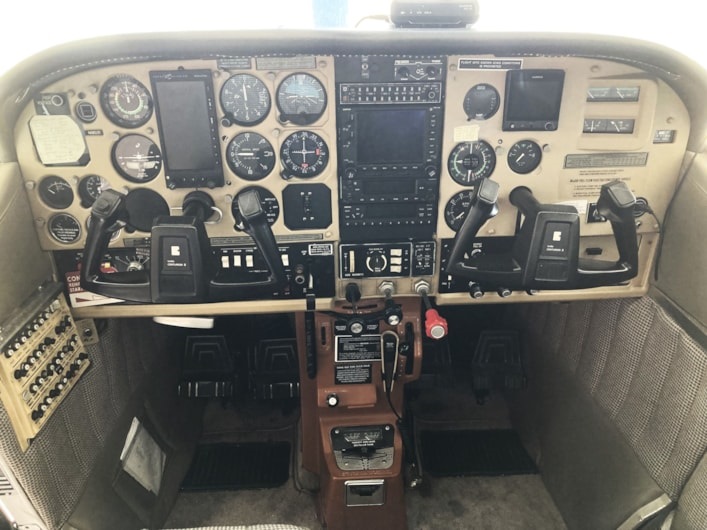
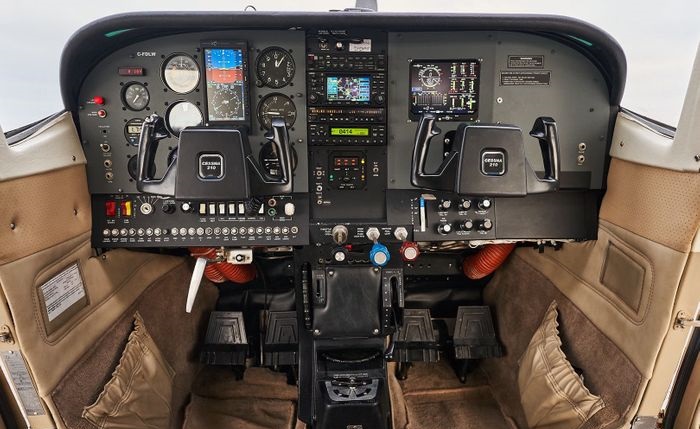
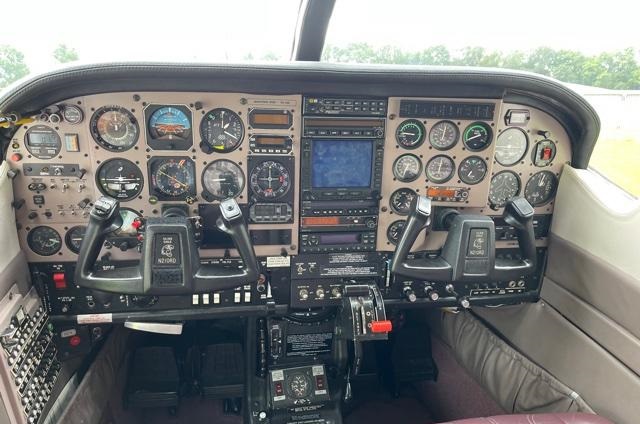
- Avionics — Many T210s have been updated with modern glass panels and GPS; ADS-B out compliance should be verified for IFR operations.
Find Your Cessna 210 Turbo on Airplane Trade
Airplane Trade is the premier global marketplace for high-performance piston singles including the full range of Cessna T210 and Turbo Centurion variants. Browse verified listings from private owners, flight schools, and dealers across North America, Europe, and Australia. Every listing includes complete specifications, engine and airframe hours, and direct seller contact. Whether you are looking for an entry-level T210L or a pristine late-model T210R, find your Turbo Centurion on Airplane Trade today.