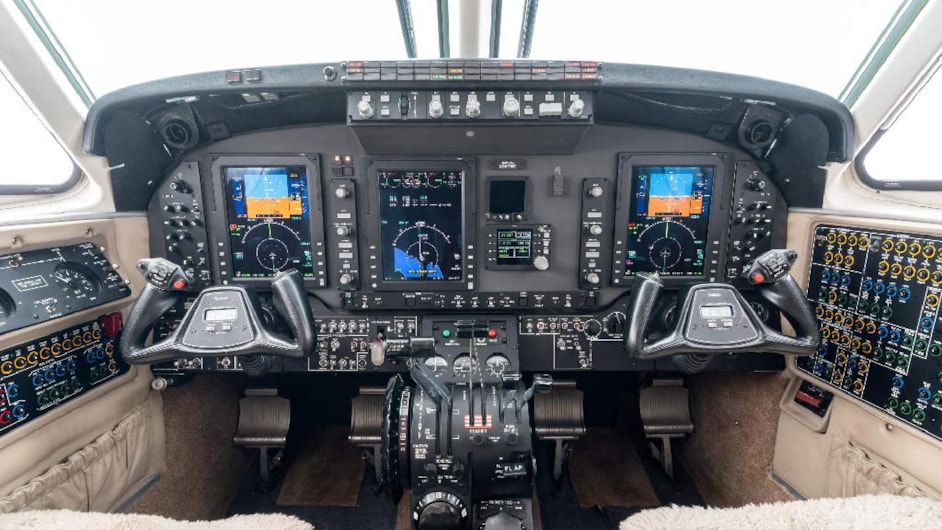
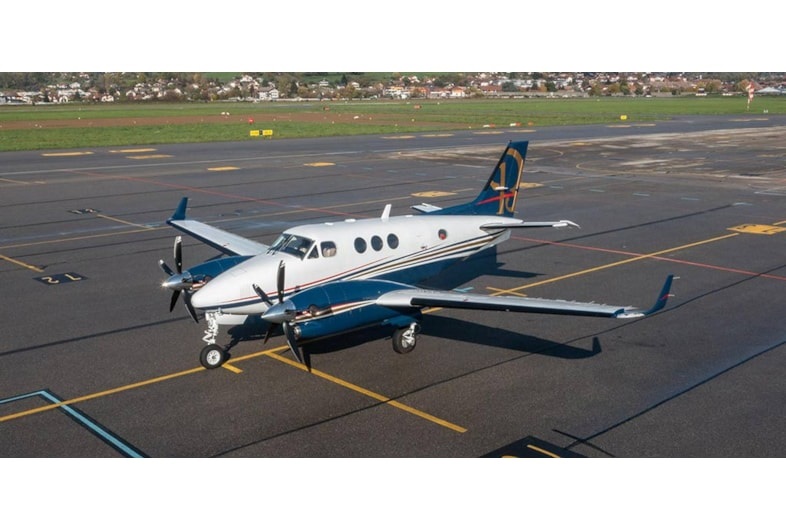
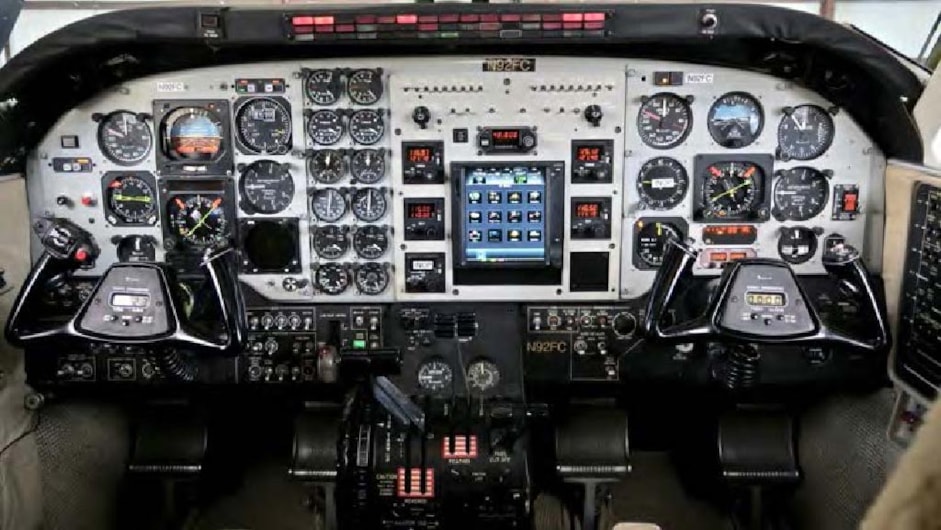
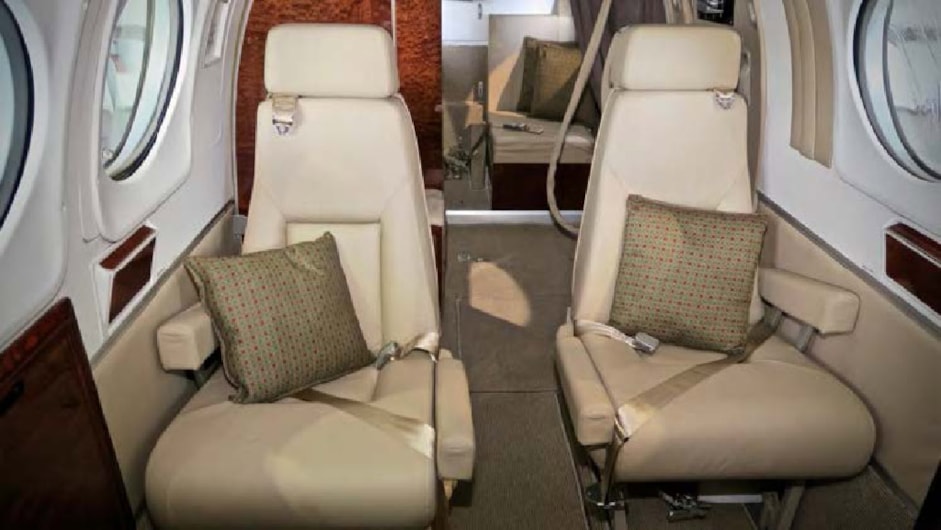
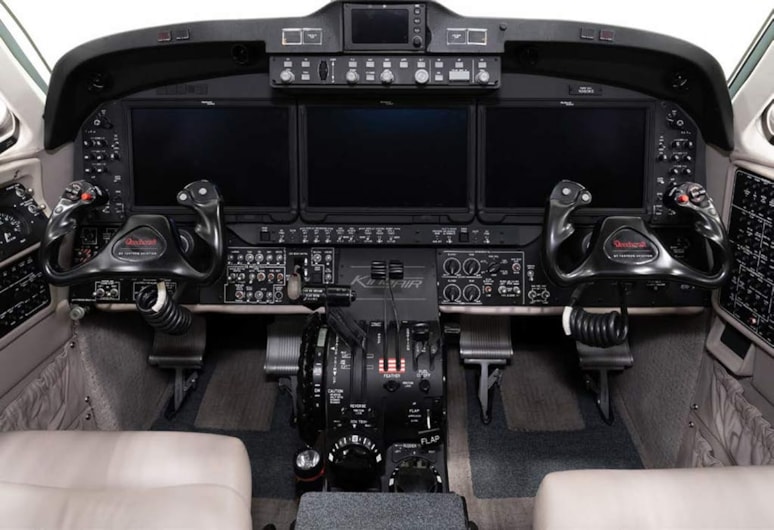
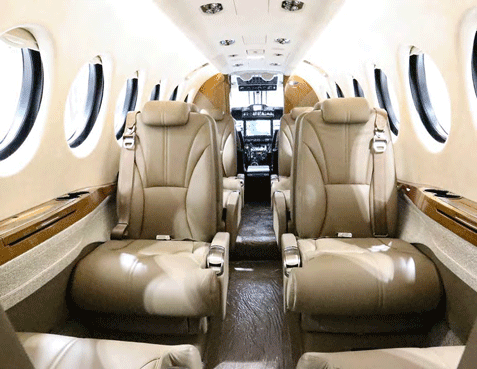
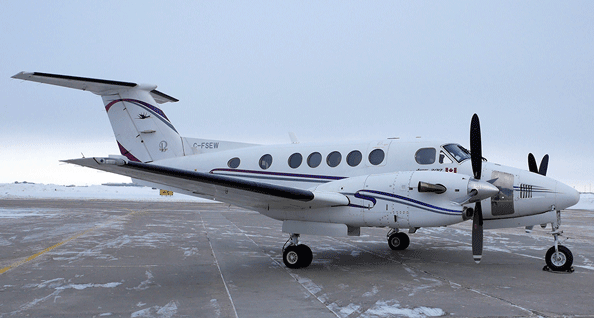
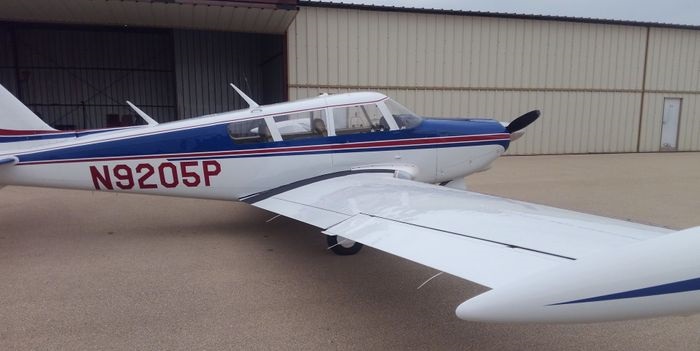
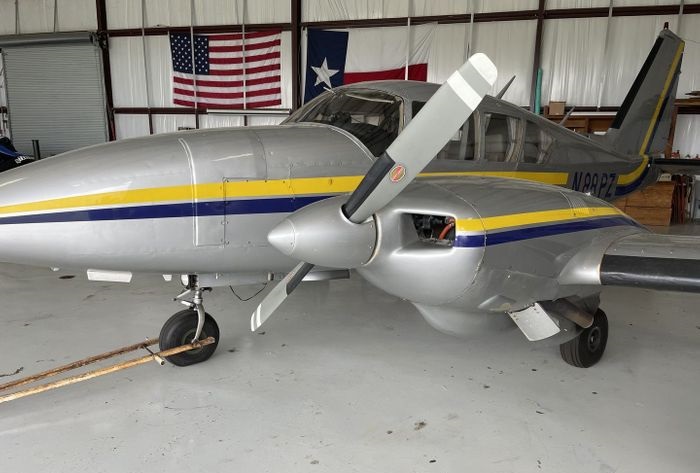
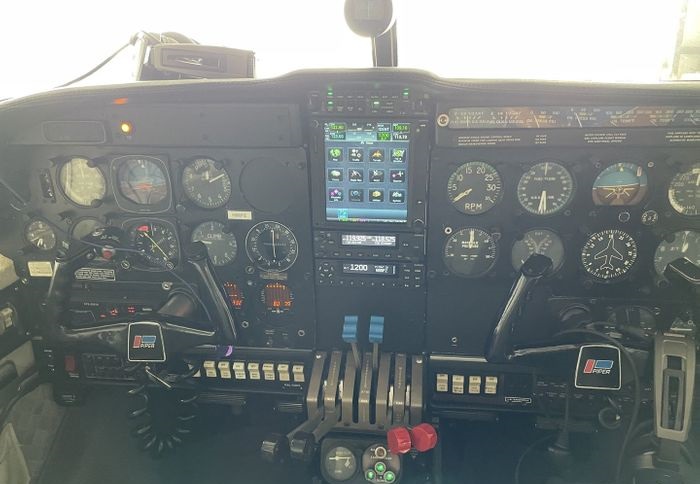
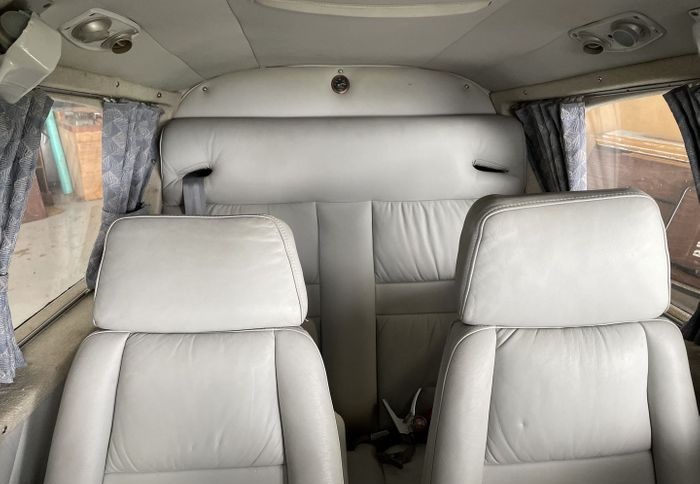
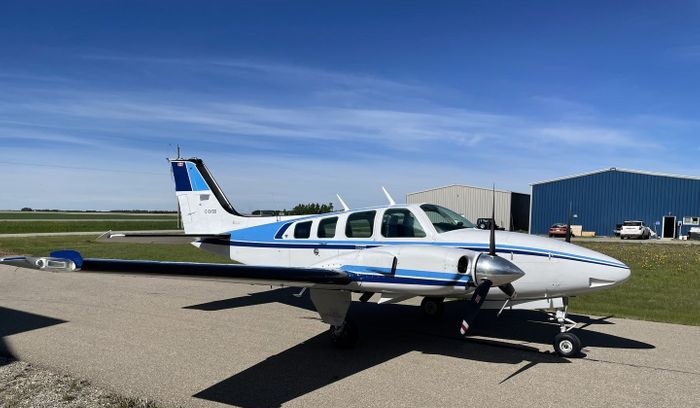
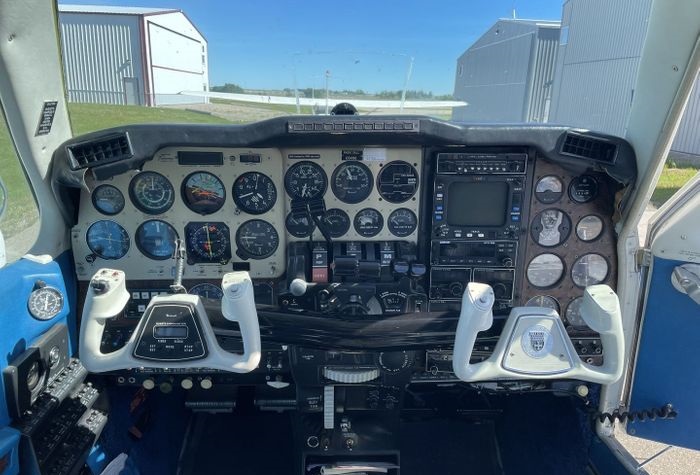
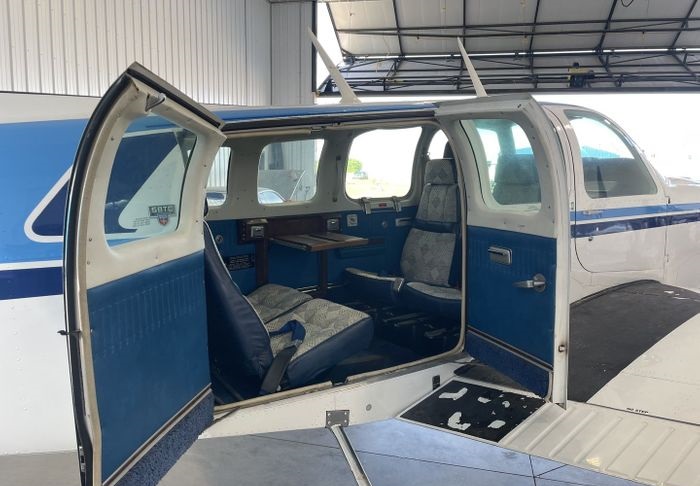
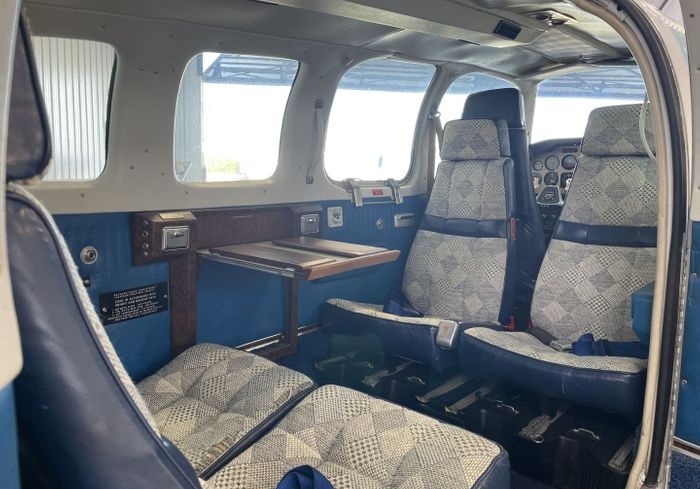
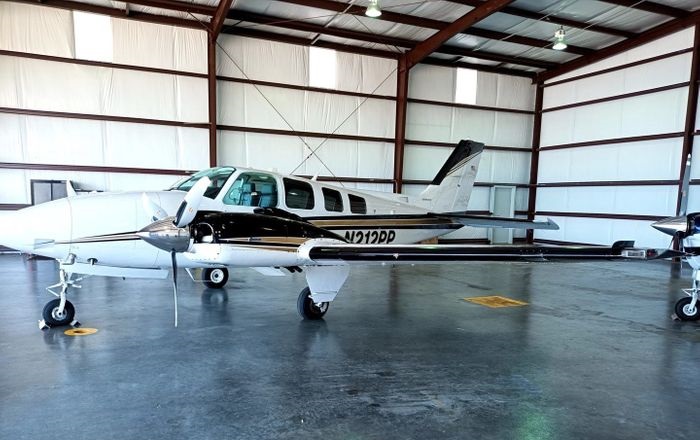
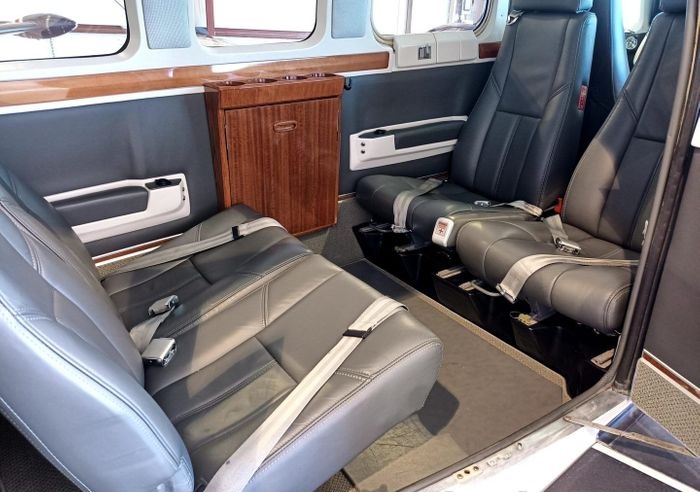
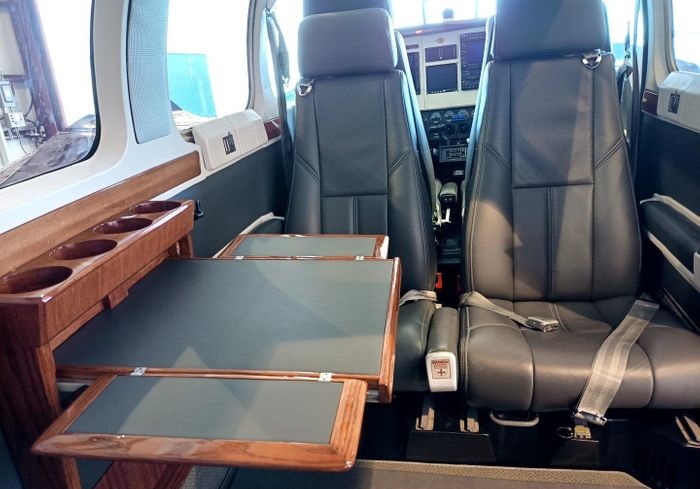
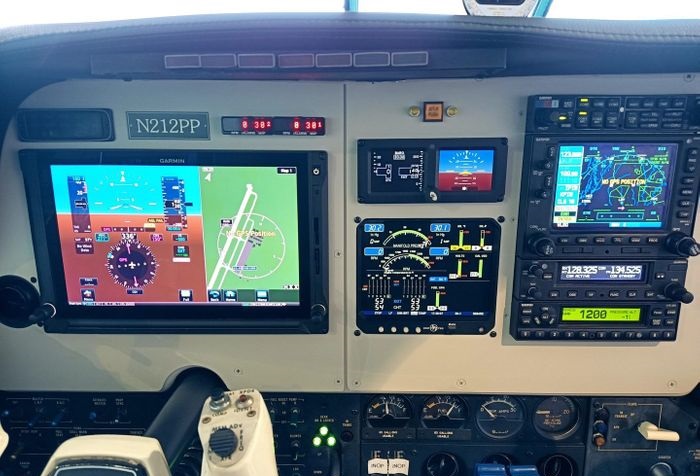
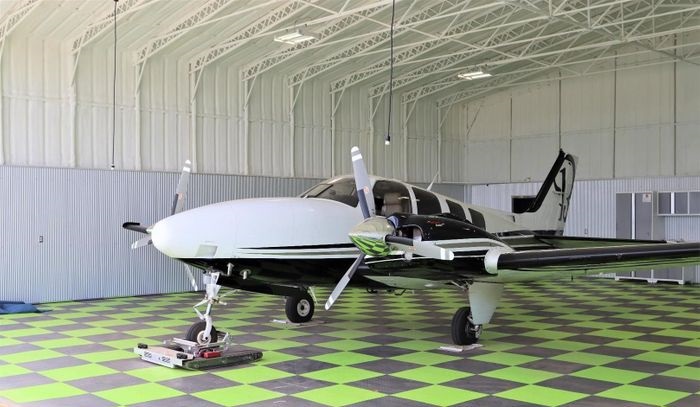
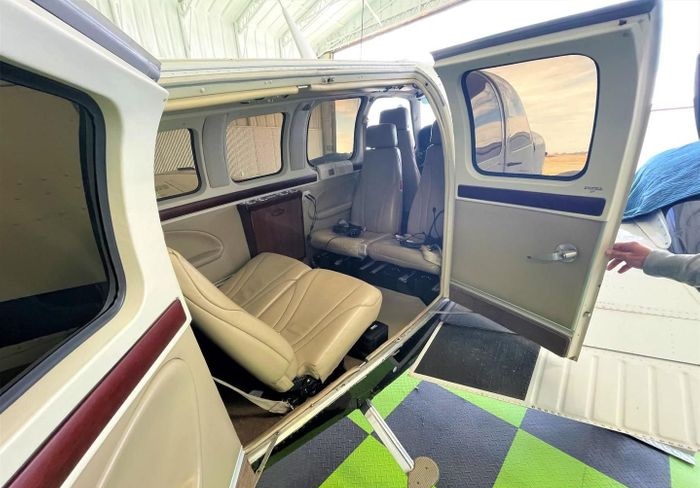
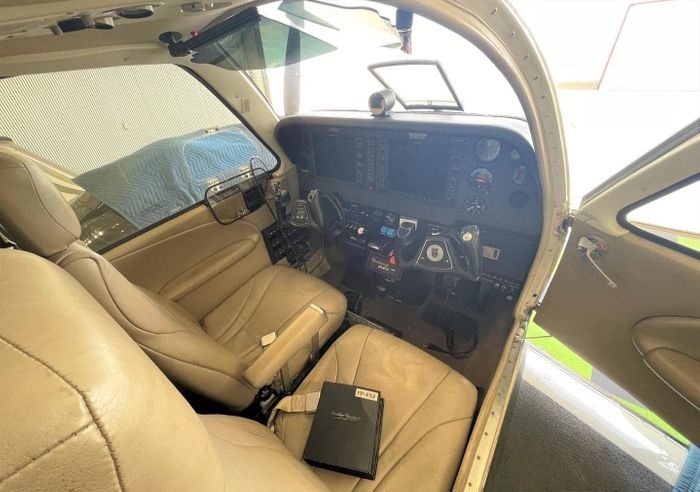
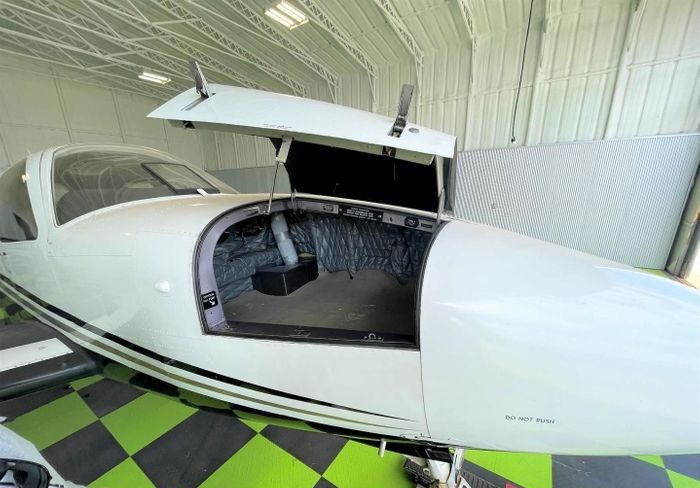
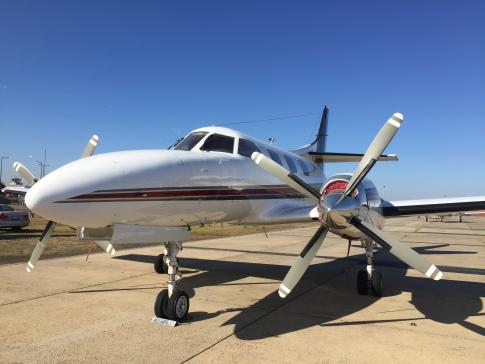
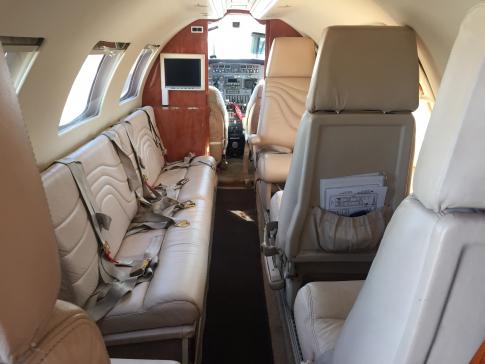
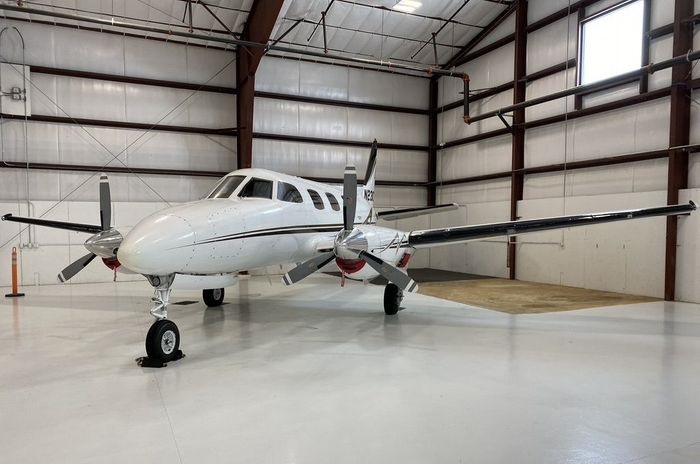
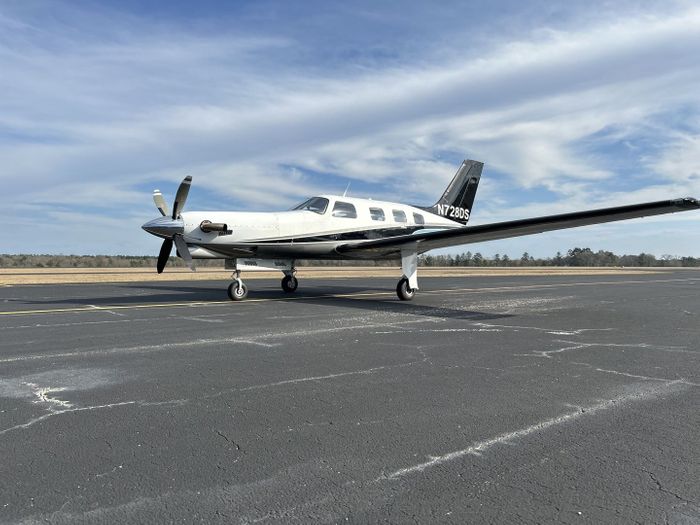
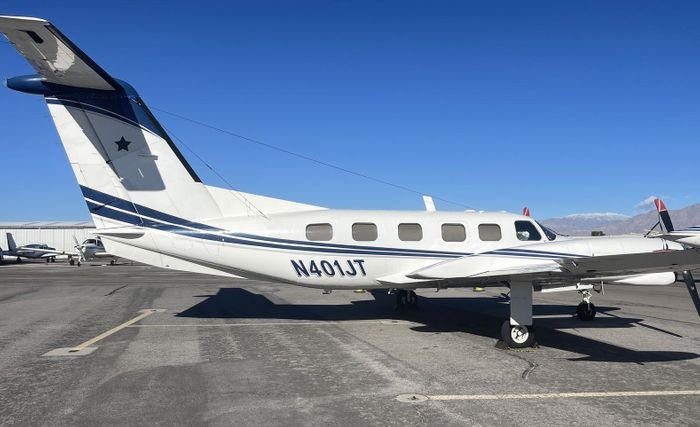
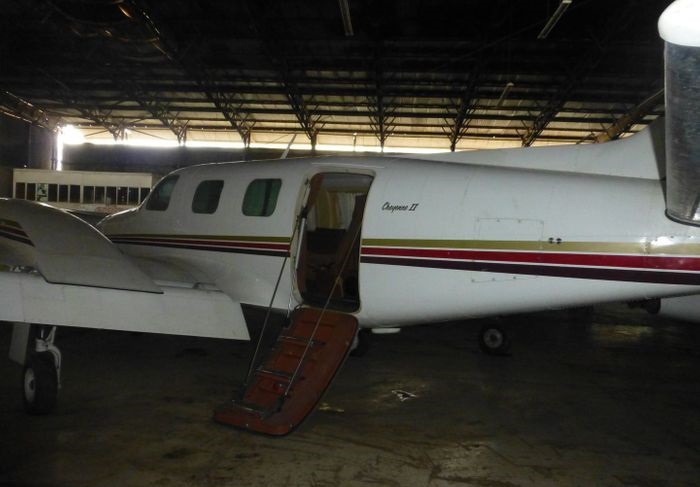
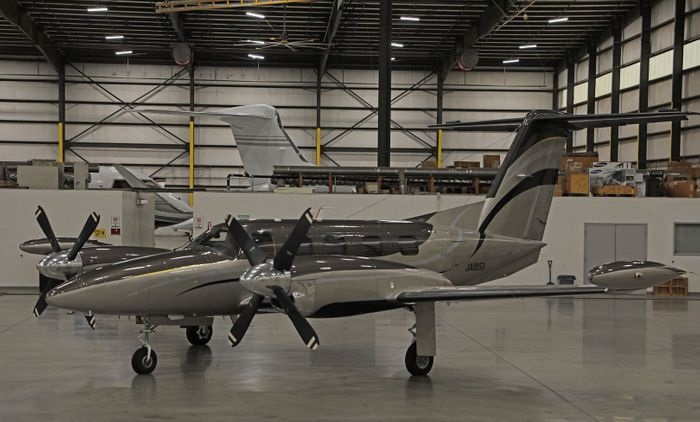
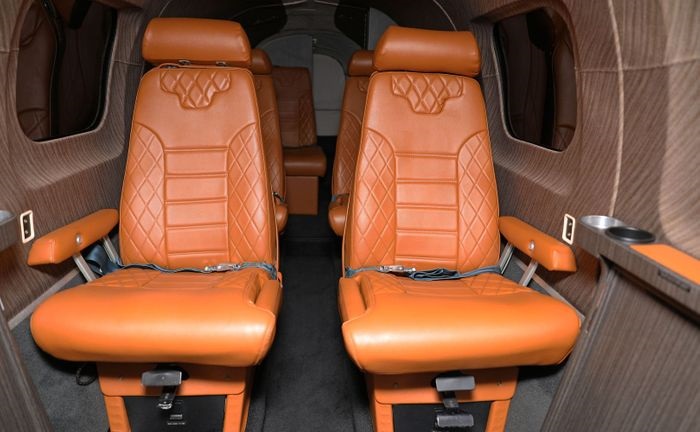
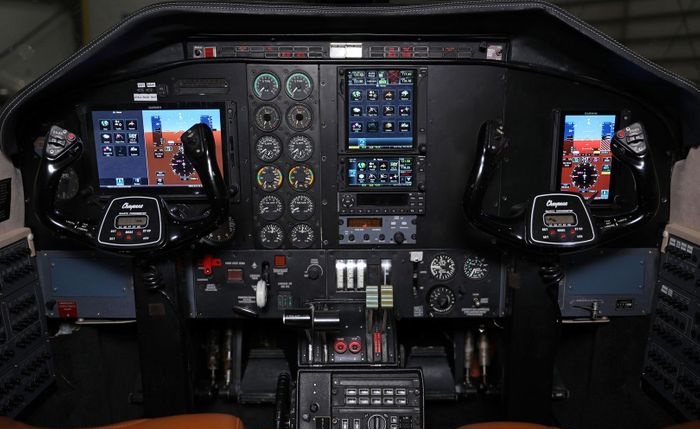
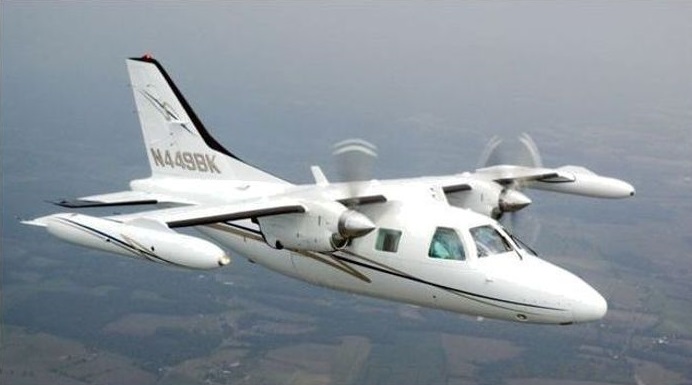
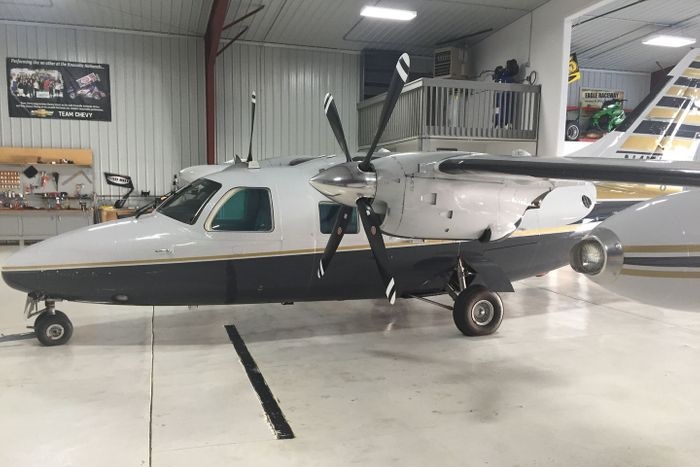
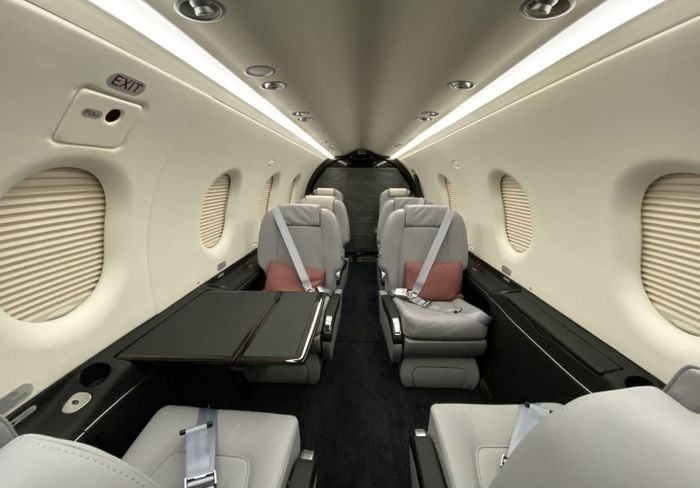
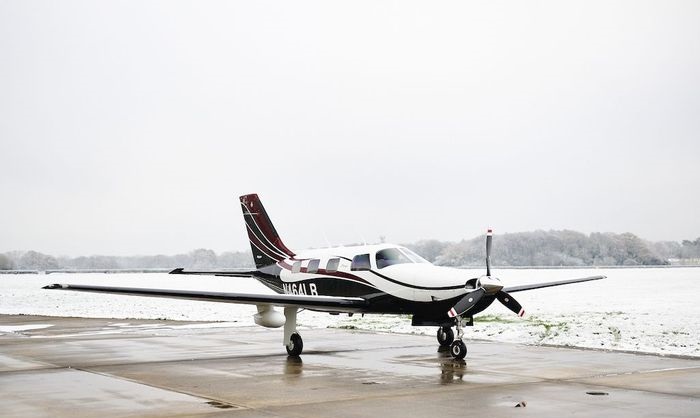
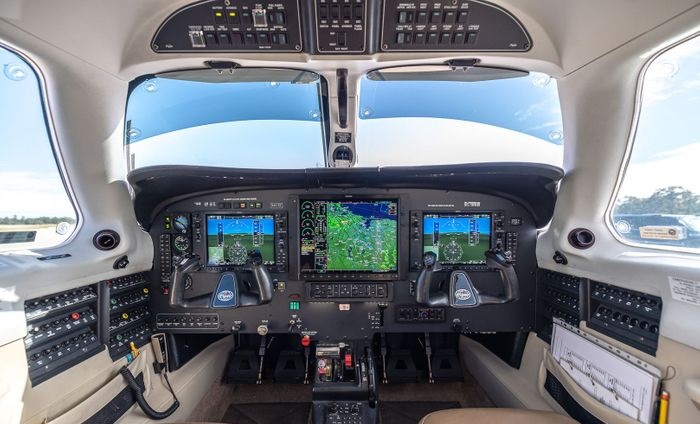
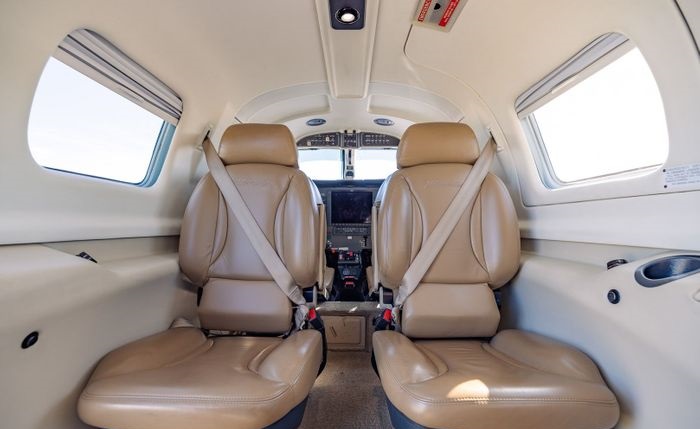
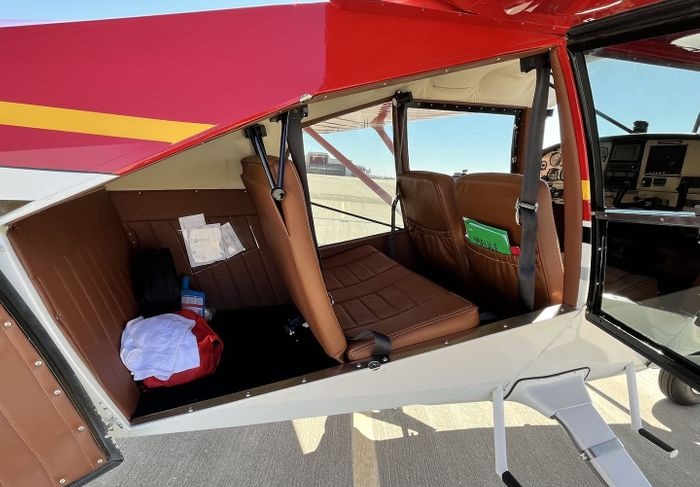
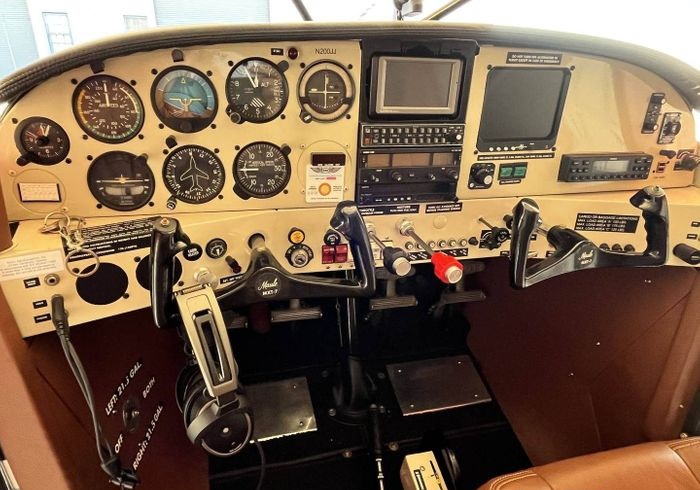
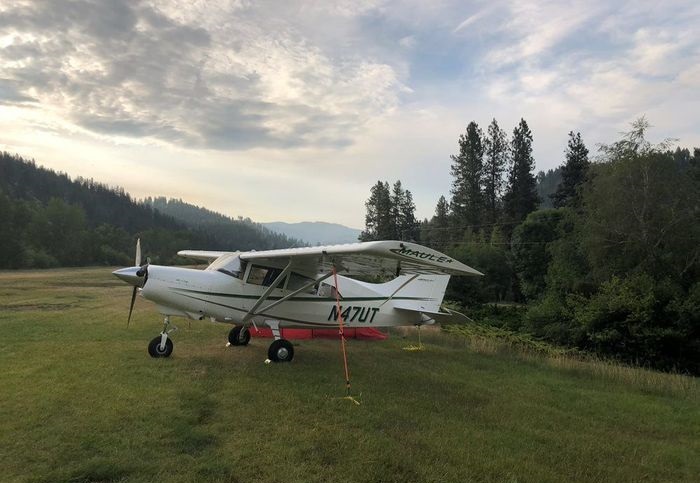
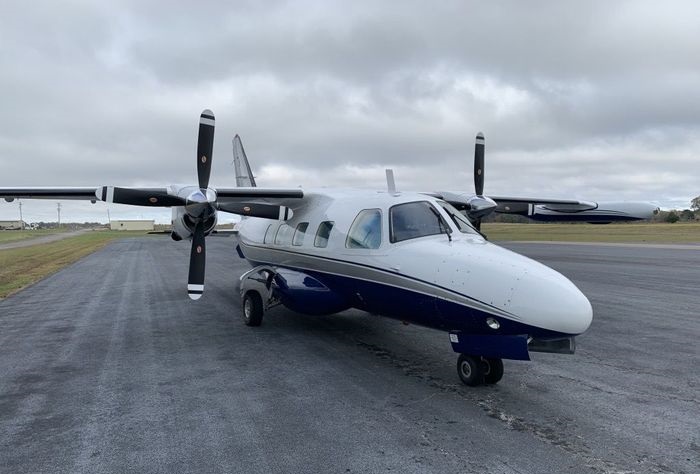
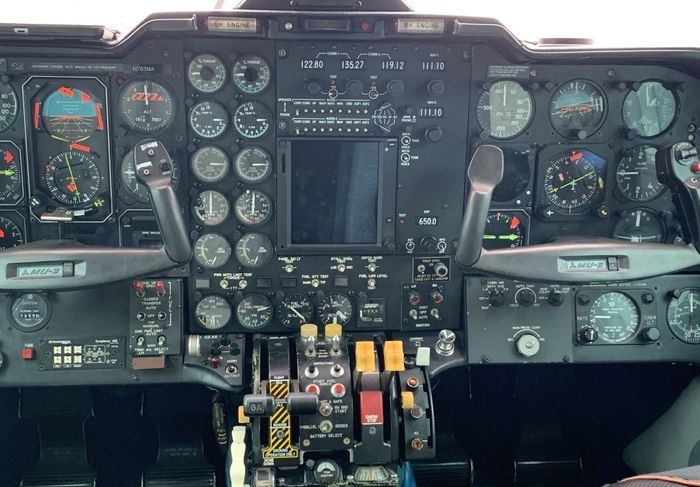
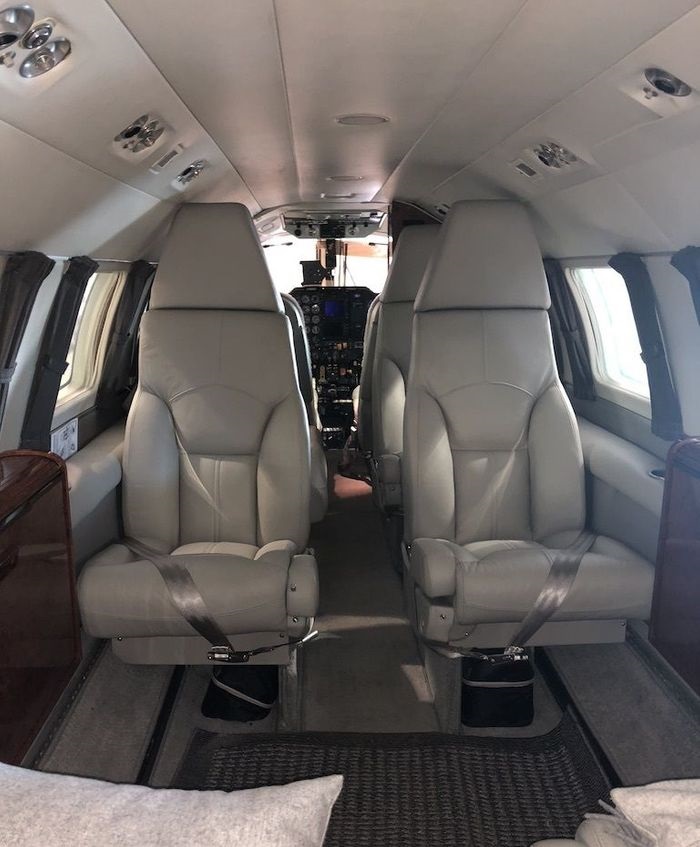
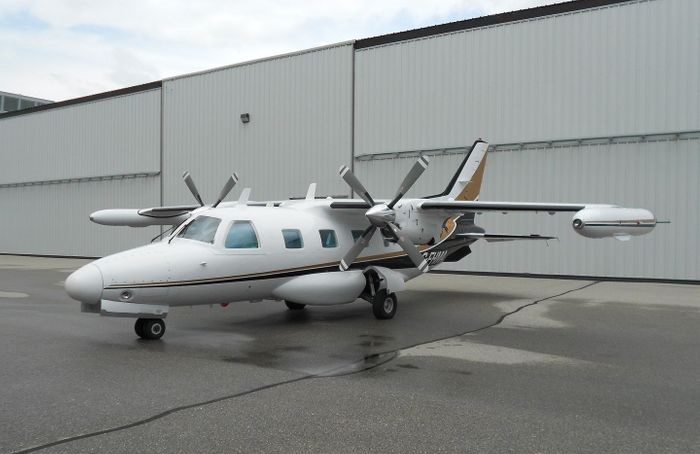
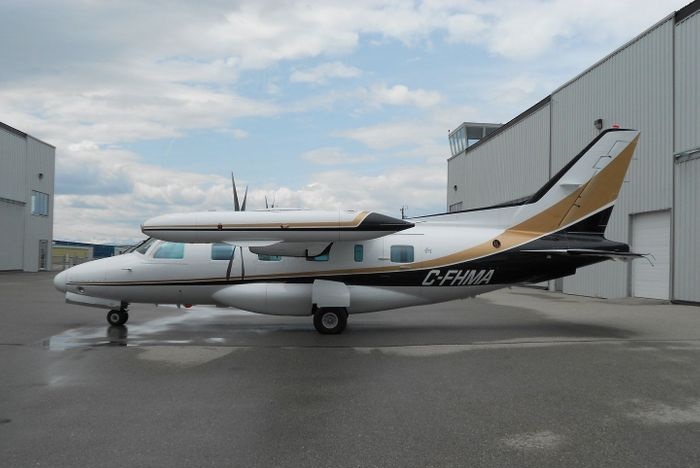
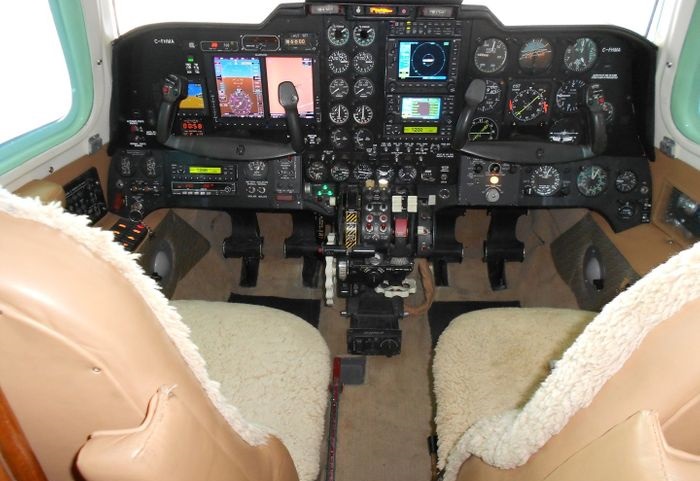
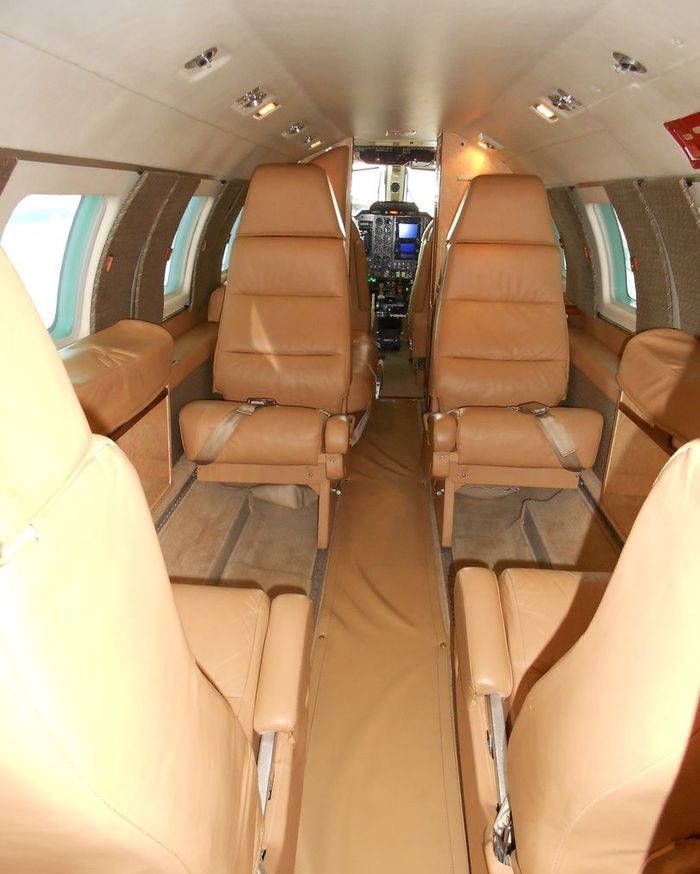
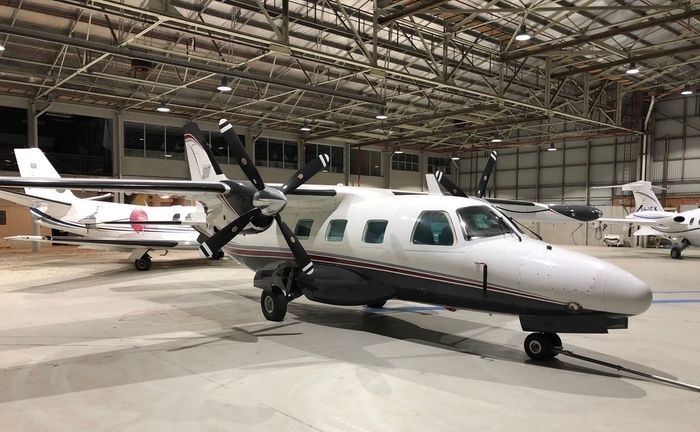
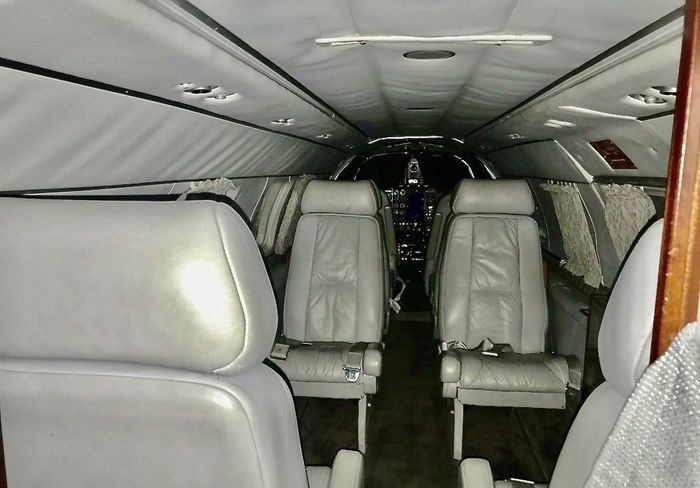
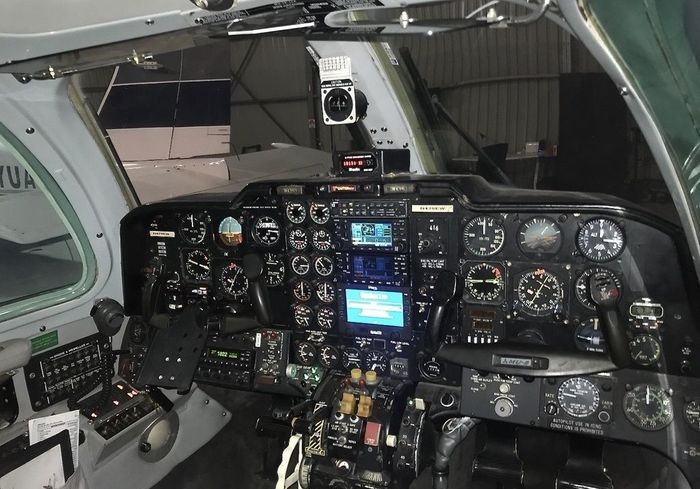
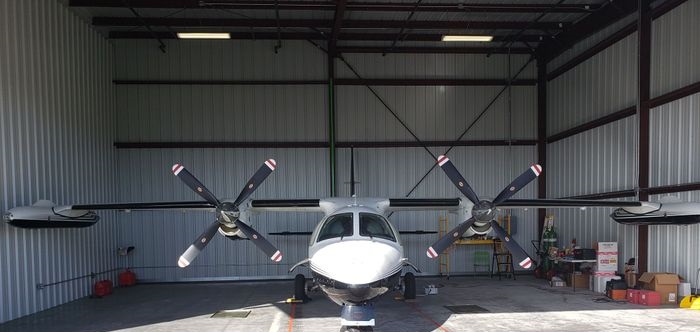
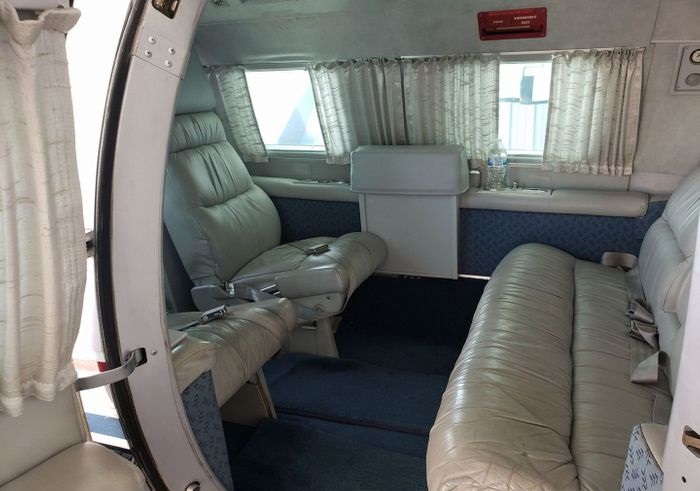
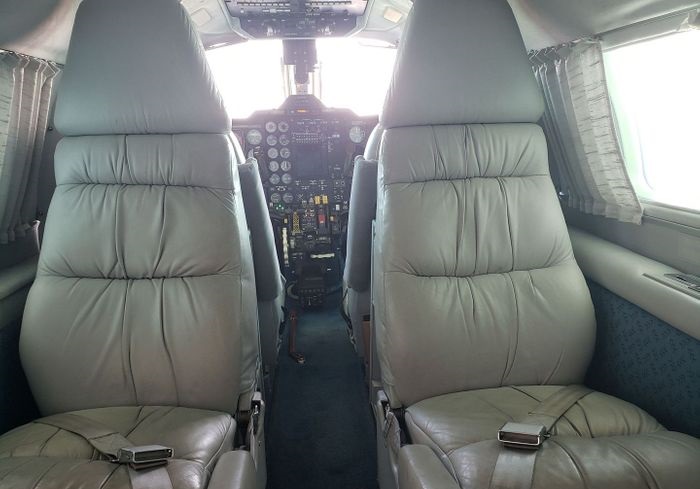
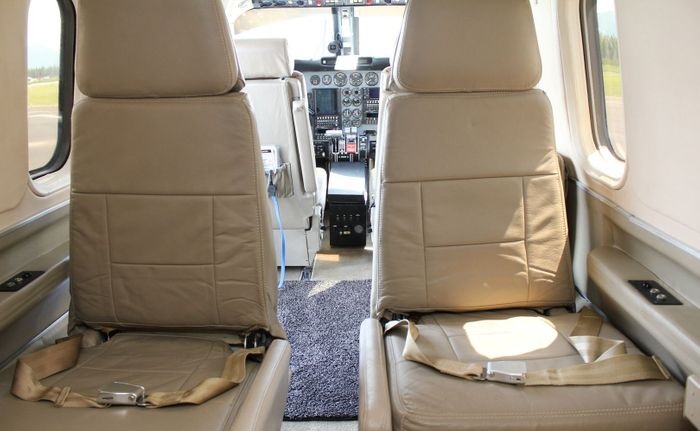
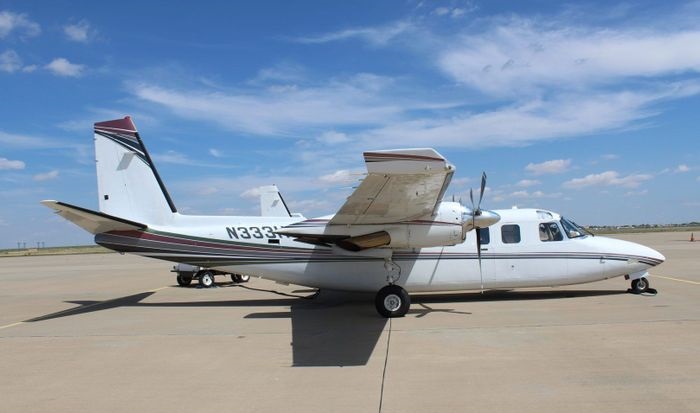
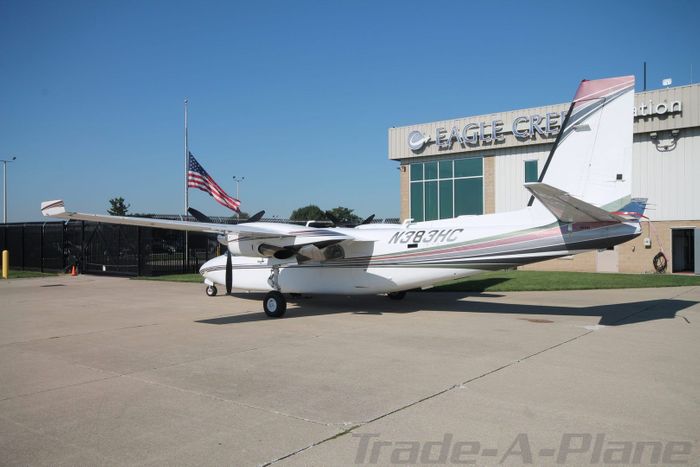
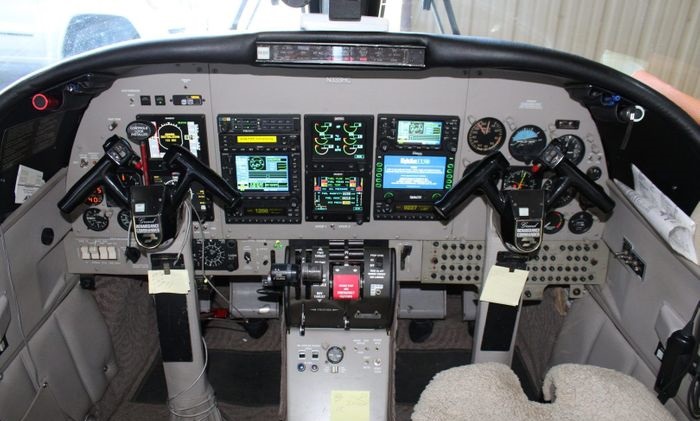
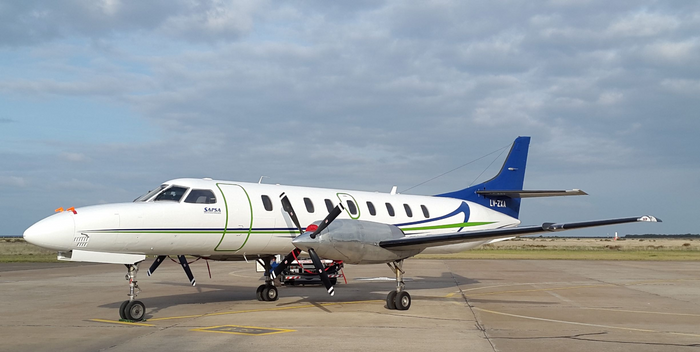
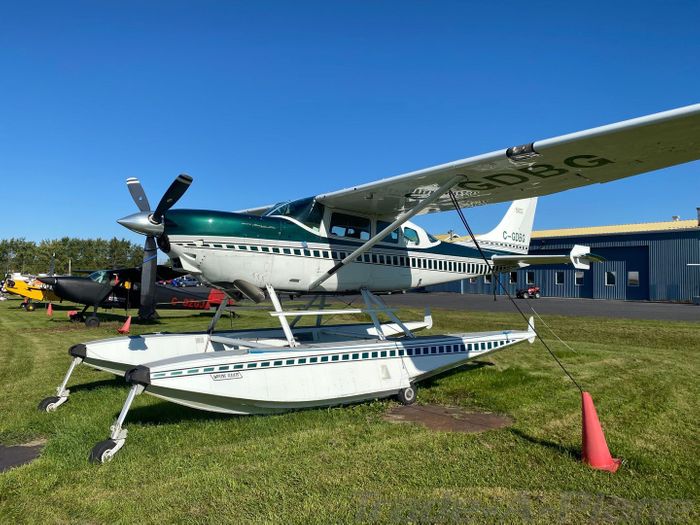
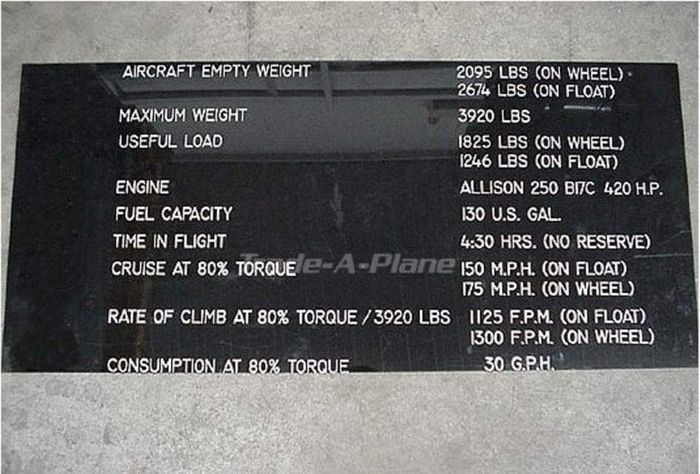
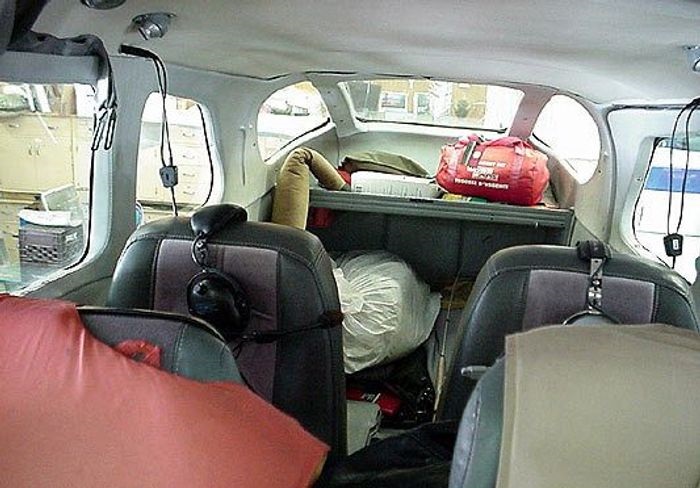
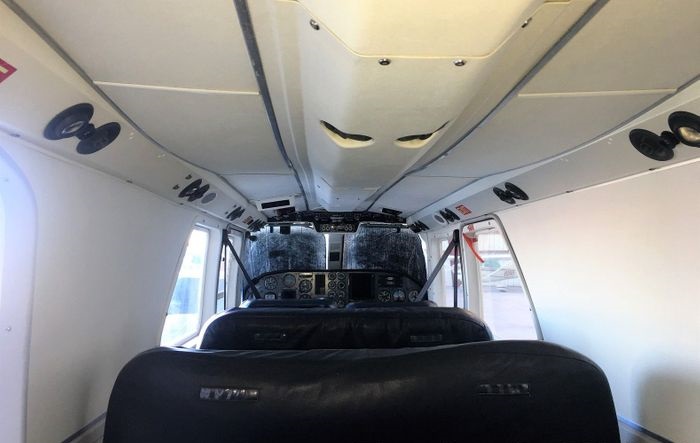
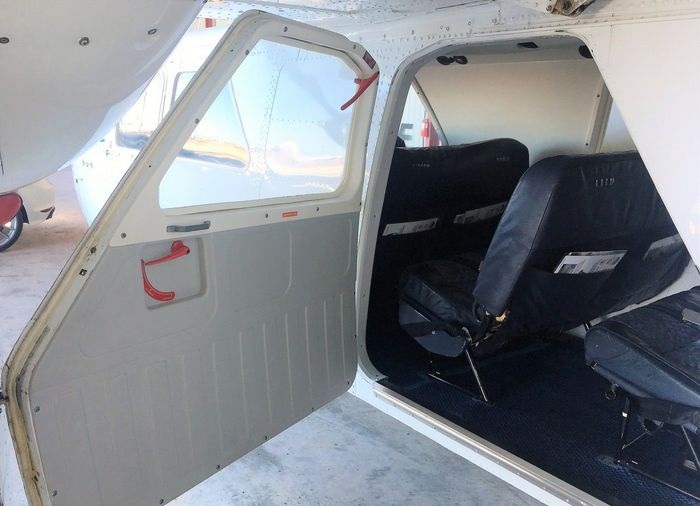
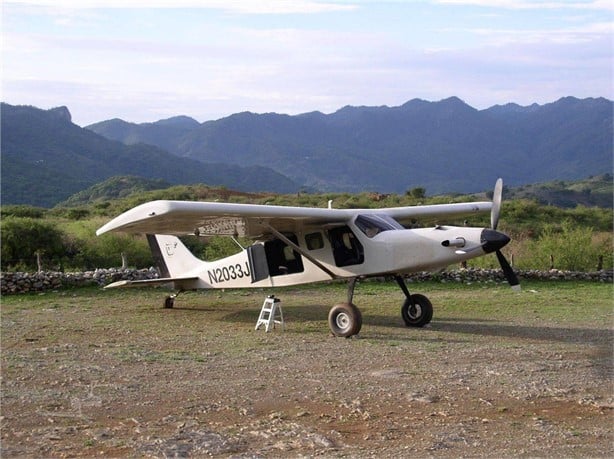
1980 King Air F90
- February 22, 2023
Welcome to Airplane Trade's dedicated turboprop aircraft marketplace — the definitive online destination for buying and selling new and pre-owned turboprop aircraft across the globe. Turboprop aircraft occupy a uniquely compelling position in aviation: combining the reliability, power, and altitude capability of jet turbine engines with the efficiency of propeller-driven flight, they deliver a performance and operating cost profile that neither piston aircraft nor pure jets can fully replicate. For operators who need to fly farther, faster, higher, and more reliably than piston aircraft allow — but who find jet aircraft either too costly, too complex, or impractical for their typical missions — turboprop aircraft represent the ideal solution.
From single-engine workhorse utility aircraft that operate from dirt strips in some of the world's most remote locations to sleek pressurized twin-turboprop executive transports that cruise at Flight Level 280 in air-conditioned comfort, the turboprop category encompasses an extraordinary range of aircraft serving an equally extraordinary range of missions. On Airplane Trade, you will find turboprop aircraft spanning every performance class, configuration, and price point available in today's worldwide market.
A turboprop aircraft is powered by one or more gas turbine engines that drive a propeller through a reduction gearbox. Unlike pure jet engines that produce thrust directly from exhaust gases, turboprop engines extract the majority of the turbine's shaft power to turn a large-diameter propeller, which generates thrust with significantly greater efficiency at the lower speeds and altitudes typical of general aviation and regional air transport operations. This fundamental design difference gives turboprop aircraft their characteristic combination of jet-engine reliability, high-altitude capability, and relatively efficient fuel consumption compared to equivalent pure-jet designs.
Turboprop engines are among the most reliable powerplants in aviation, with mature designs from manufacturers like Pratt & Whitney Canada, Rolls-Royce, and Walter having accumulated billions of hours of service across commercial, military, charter, cargo, and private aviation operations worldwide. The high-reliability, low-vibration turbine operating environment also translates to reduced maintenance requirements compared to piston engines of equivalent power output, particularly for time-between-overhaul (TBO) intervals and the absence of reciprocating component wear mechanisms that characterize piston engine maintenance.
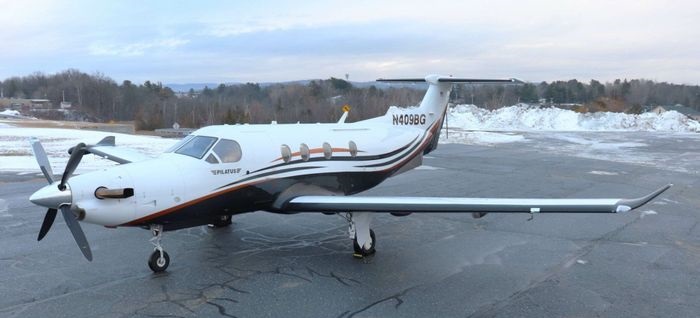
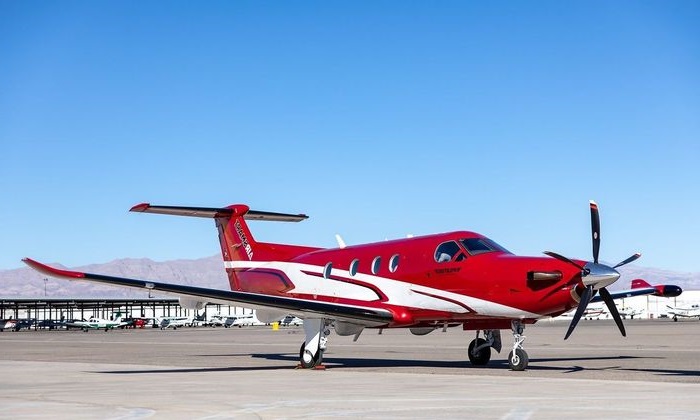
Single-engine turboprop aircraft represent one of the most commercially successful and rapidly growing segments in business aviation. These aircraft combine the simplicity and economy of single-engine operation with turbine reliability, pressurized cabins, long range, and performance characteristics that leave comparable piston singles far behind. The Pilatus PC-12 series is widely considered the gold standard of the single-engine turboprop market — a pressurized, eight to nine seat aircraft with exceptional short-field performance, outstanding reliability, a cavernous cargo door, and range capabilities that allow nonstop flights of over 1,800 nautical miles. The PC-12's combination of capability and versatility has made it the preferred aircraft of charter operators, air ambulance services, corporate flight departments, and private owners worldwide.
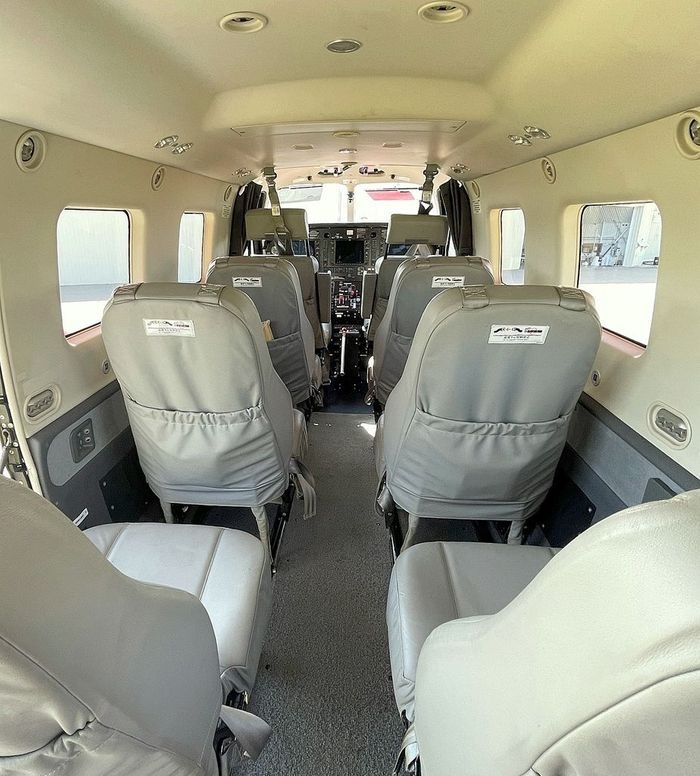
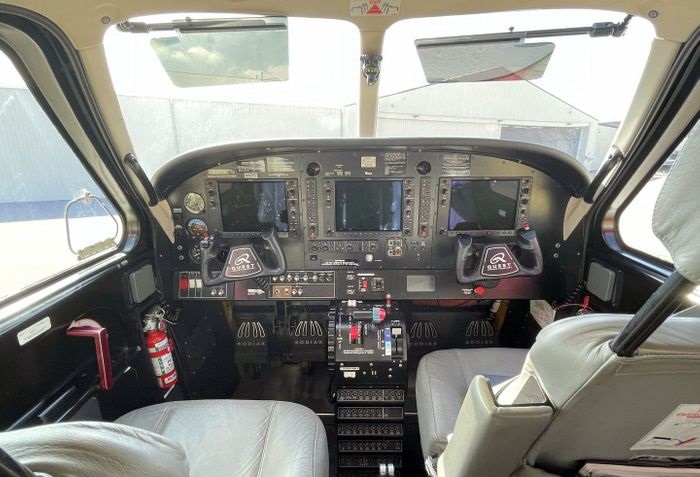
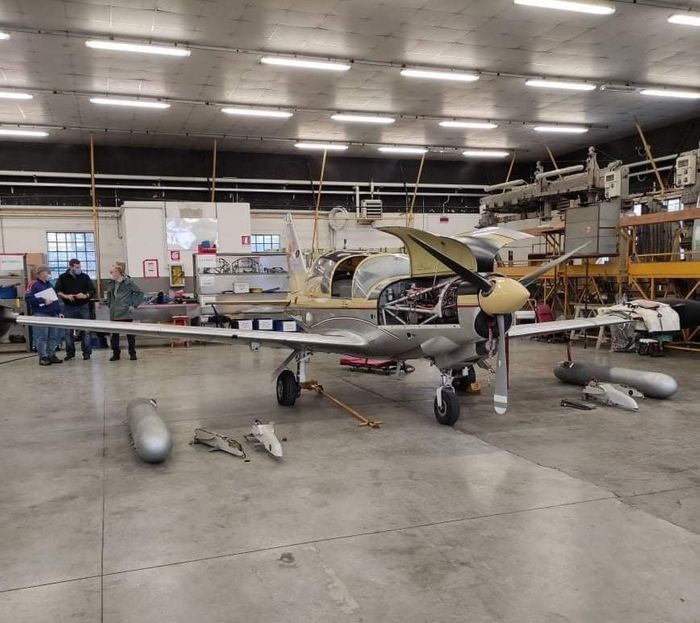
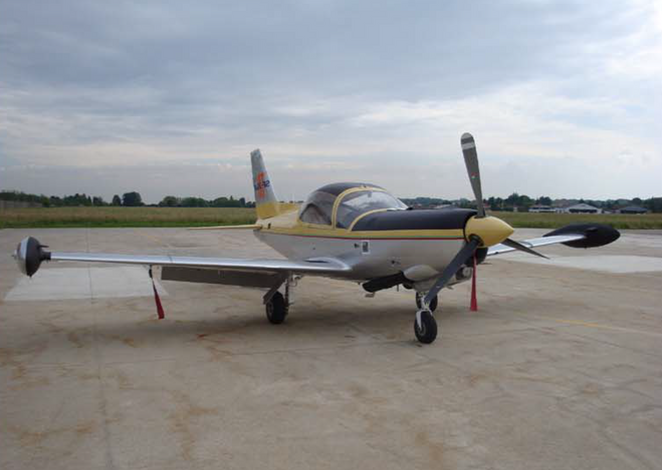
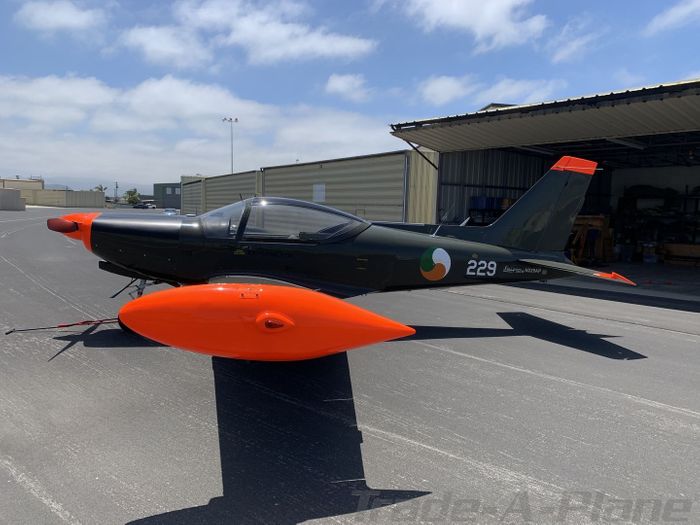
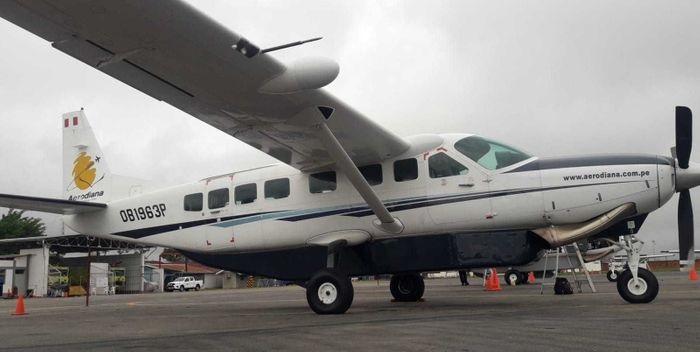
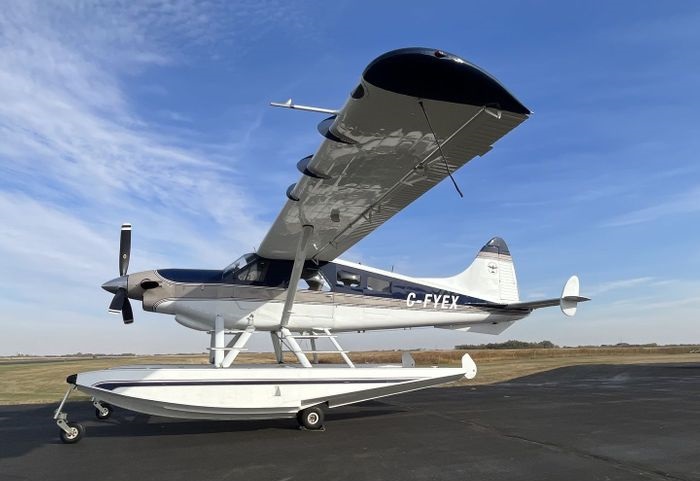
Other prominent single-engine turboprops available on our platform include the Cessna Caravan series — the rugged, high-wing utility turboprop that has become the backbone of regional air cargo, float operations, missionary aviation, and parachute operations worldwide — the Quest Aircraft Kodiak, the Pilatus PC-9 and PC-9/A, the Daher TBM 910 series (one of the fastest single-engine turboprops in production), and the SIAI Marchetti SF260 series. Single-engine turboprops consistently deliver the best combination of performance, economy, and simplicity for operators whose missions don't require the twin-engine safety margin.
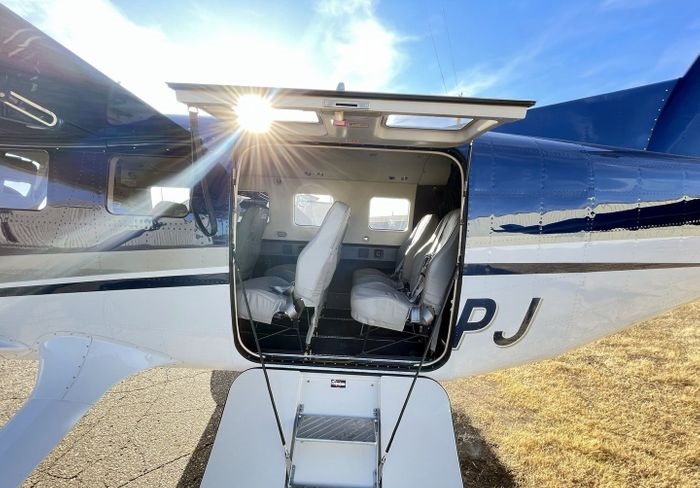
Light twin-engine turboprops offer the operational confidence of two independent turbine powerplants at acquisition and operating costs significantly below those of larger aircraft in this category. These aircraft typically seat six to nine passengers and are ideally suited for corporate shuttle operations, charter flights, air ambulance missions, and private transportation at ranges of 800 to 1,500 nautical miles. The Beechcraft King Air 90 series — the foundational model of the legendary King Air family — represents the entry point of this segment, offering pressurized cabin comfort, genuine all-weather capability, and the remarkable reliability that has made the King Air the best-selling pressurized twin-turboprop in history.
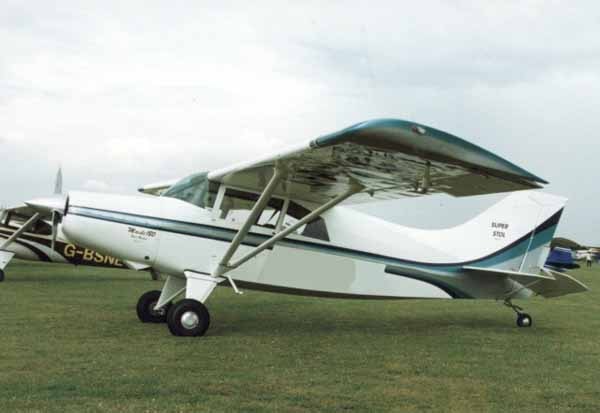
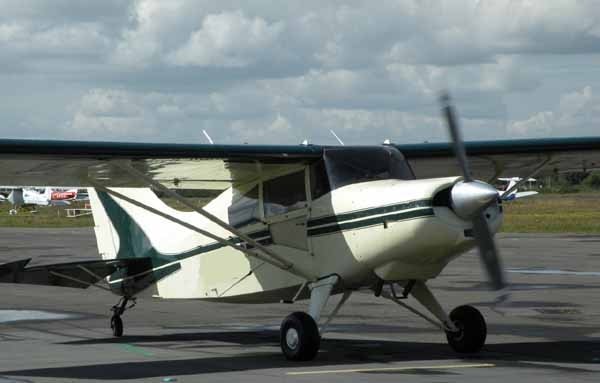
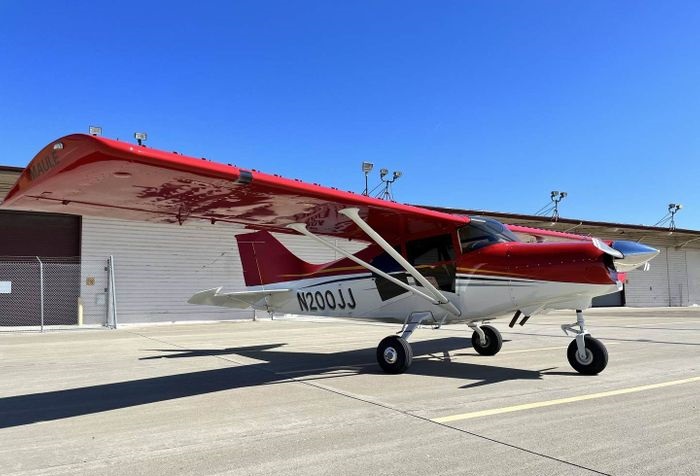
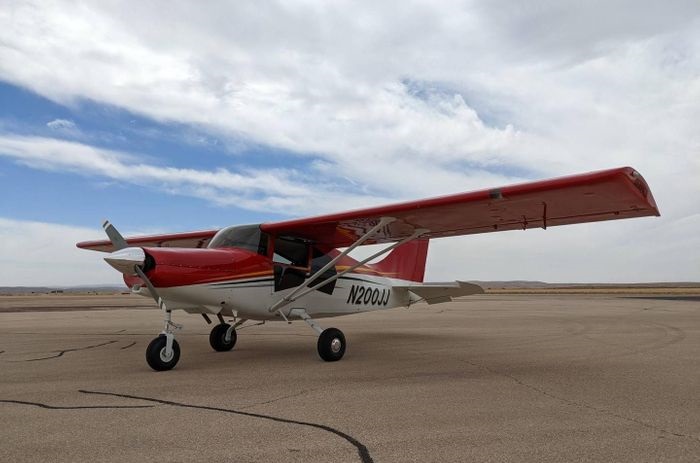
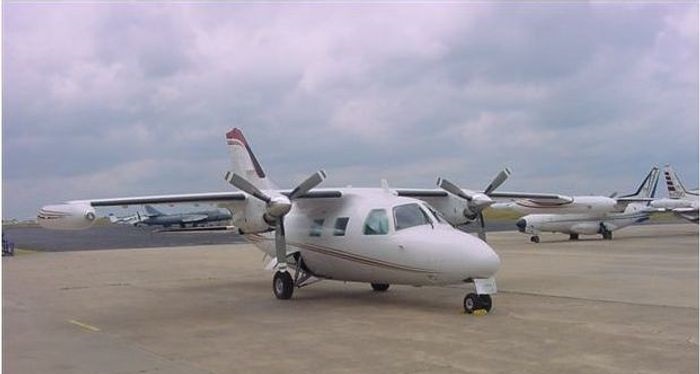
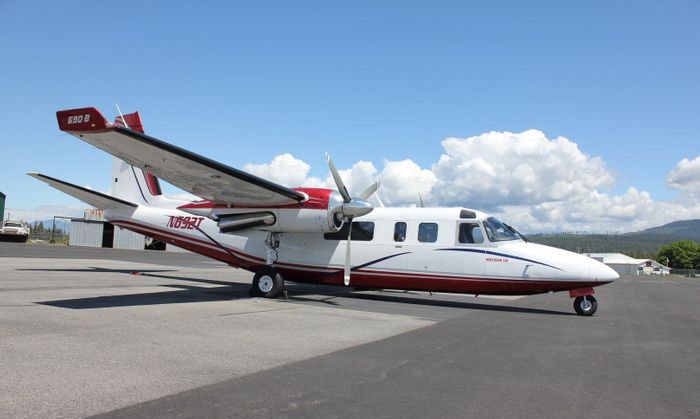
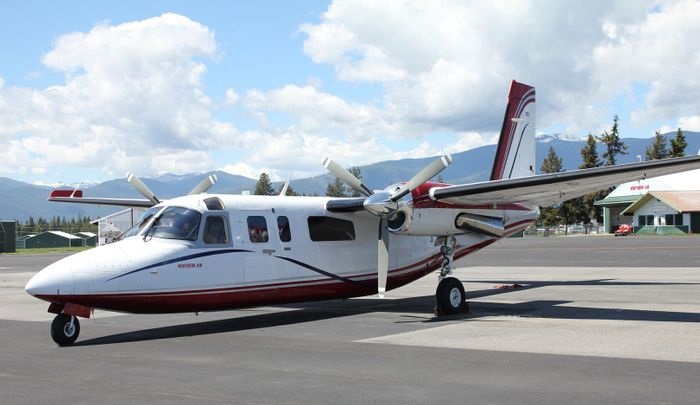
Also in this class are the Piper Cheyenne series, Piper Aztec Turbo series, Cessna 206 Turbine, Cessna 210 Turbo series, Britten Norman BN-2 turboprop series, Mitsubishi MU-2 series, Mitsubishi Marquise and Solitaire, Swearingen Merlin series, Commander 690 series, Piper M series, Piper Malibu turbine conversion, Maule M-7 turbine, Cessna 207 series, Piper JetProp, and Diamond D-Jet series. Each of these aircraft serves a distinct operator profile and mission requirement within the broad light twin-turboprop segment.
The mid-size twin turboprop segment is defined by the extraordinary Beechcraft King Air 200 series — arguably the most commercially successful aircraft in the history of business aviation. The King Air 200 and its modern successors, the King Air 250, offer a cabin that comfortably seats eight to nine passengers, range capabilities of over 1,700 nautical miles, true pressurized high-altitude cruise at FL310, and the robust turbine reliability that operators worldwide have come to depend on across decades of service. King Air 200 series aircraft serve in corporate transportation, charter, air ambulance, aerial survey, military utility, and a dozen other roles worldwide, and the global support network for these aircraft is unmatched in the turboprop category.
The Beechcraft 1900 series extends the King Air concept into the regional airliner segment, offering 19-seat pressurized capability suitable for commuter airline operations, cargo, and executive transport in large-group configurations. The Fairchild Metro series, BAE Jetstream series, and LET L-410 series represent regional turboprop airliners that have found second careers in cargo, parachute, and special mission roles after their commercial airline service.
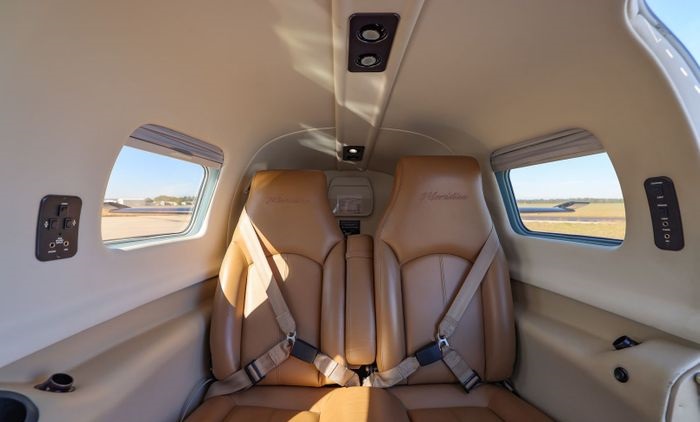
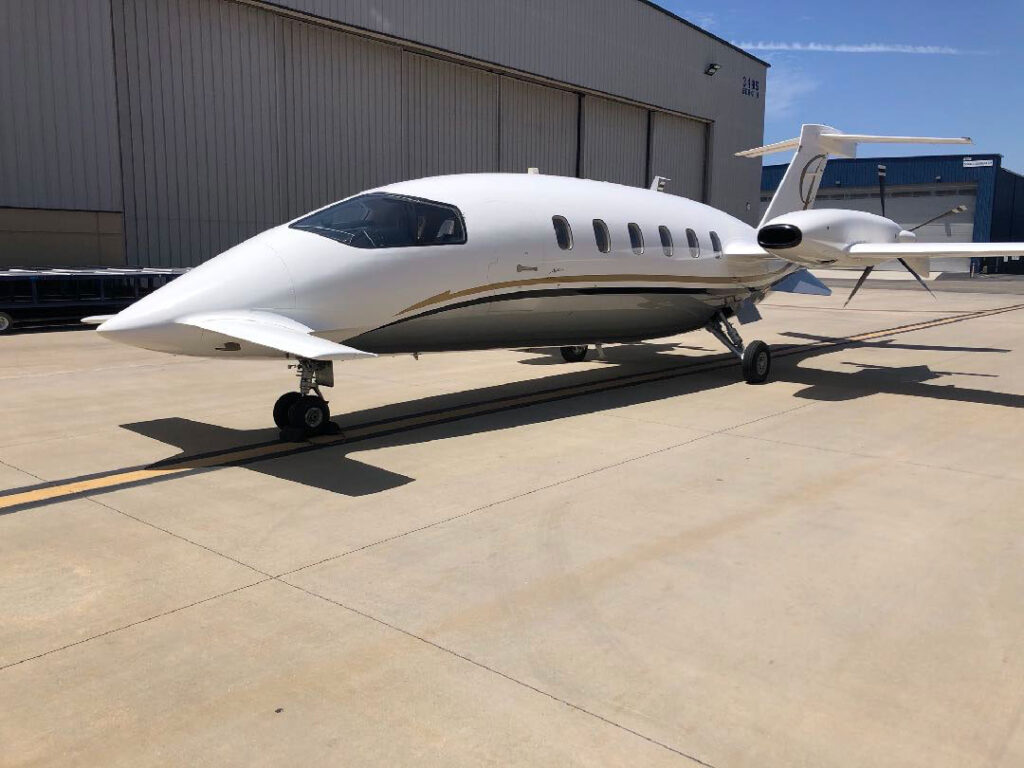
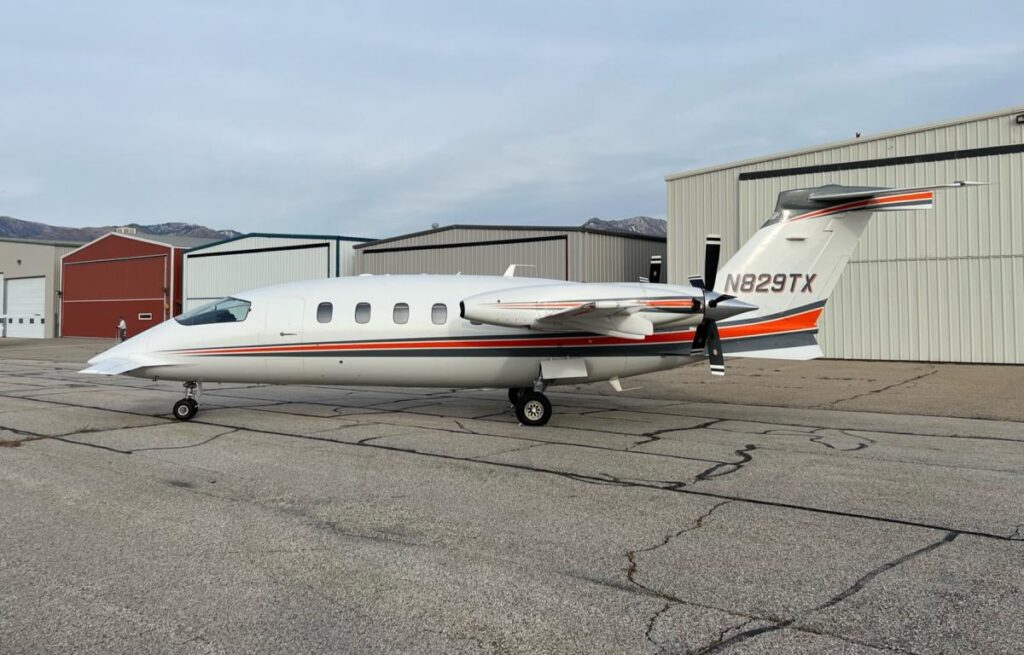
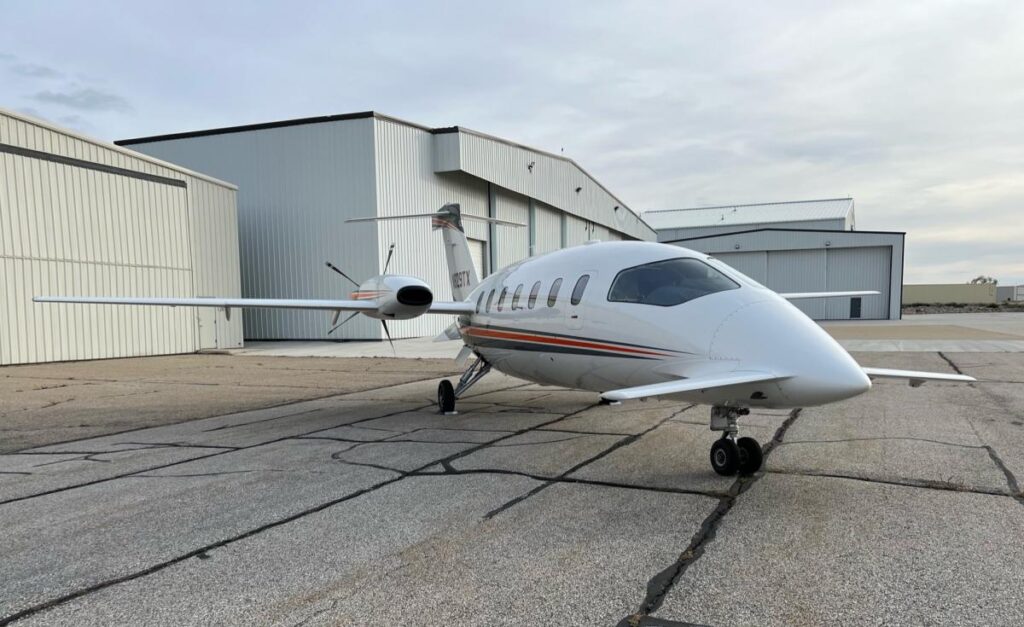
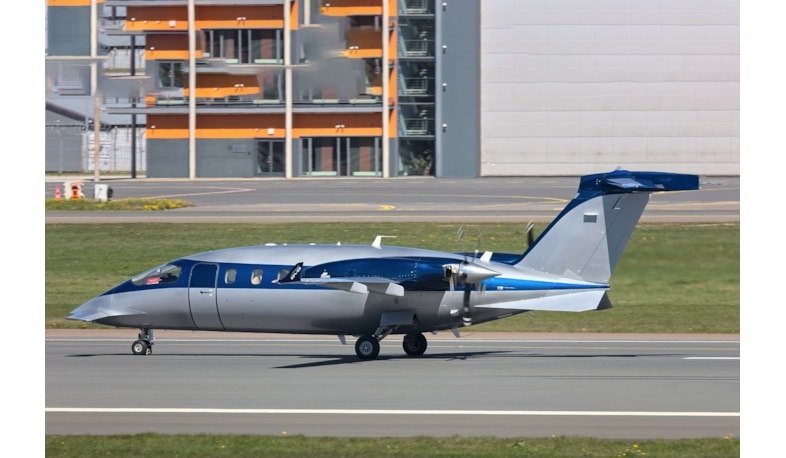
At the upper end of the turboprop category sit aircraft that blur the performance boundary between turboprops and light jets. The Beechcraft King Air 300 and 350 series represent this high-performance tier with cruise speeds approaching 310 knots, range of over 1,800 nautical miles, and cabin environments that rival entry-level jets. The Piaggio P-180 Avanti stands entirely apart from conventional turboprop design with its unique pusher-propeller, canard configuration that delivers jet-like cruise speeds of 395 knots combined with the fuel efficiency of turboprop operation — making it the fastest turboprop aircraft in production and a genuinely unique offering in the business aviation market.
The DeHavilland DHC series — including the legendary Twin Otter — brings STOL capability and rugged utility to the turboprop category, serving remote and challenging operations that no other category of aircraft can match. The Aerospatiale ATR series represents the regional airline end of the twin turboprop market, with modern glass cockpit avionics, 42 to 72 seat capacity, and operating economics that continue to make these aircraft relevant in regional air transport worldwide.
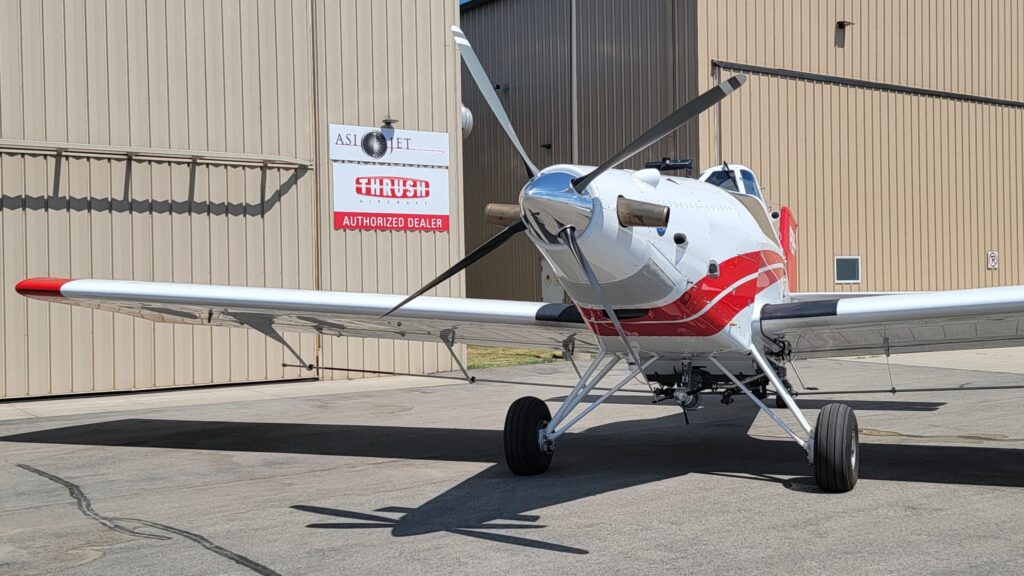
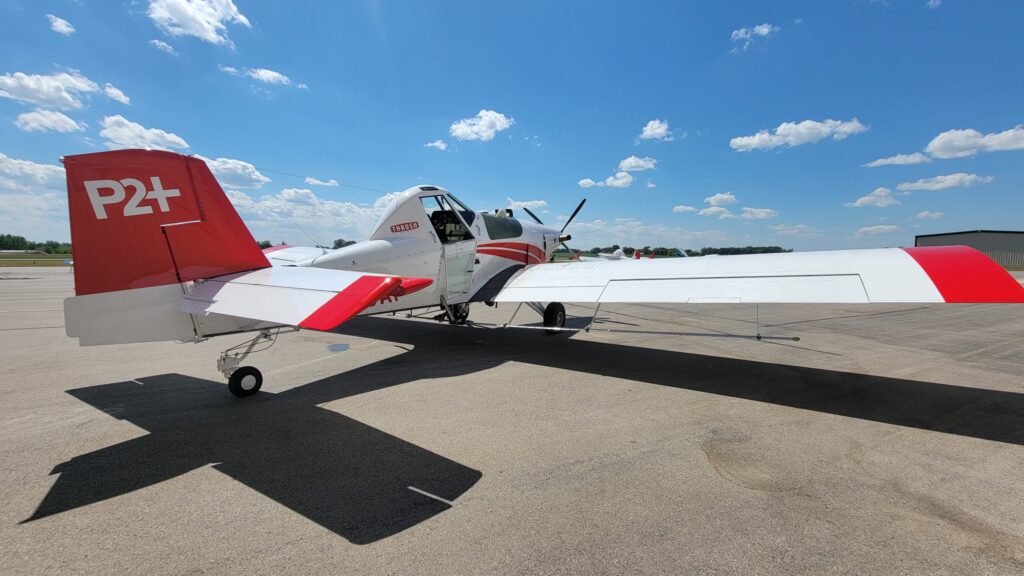
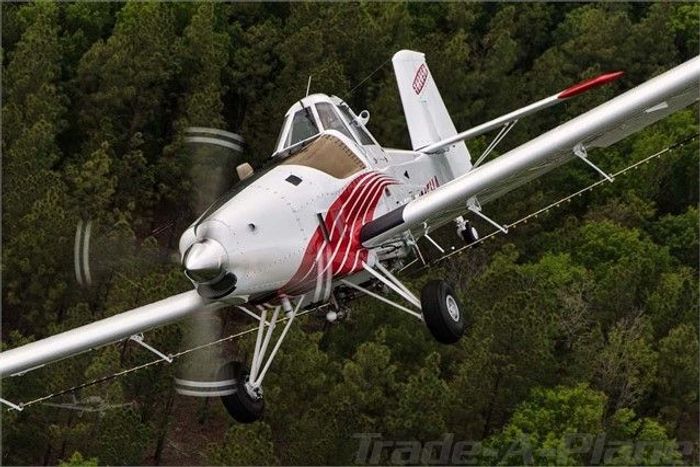
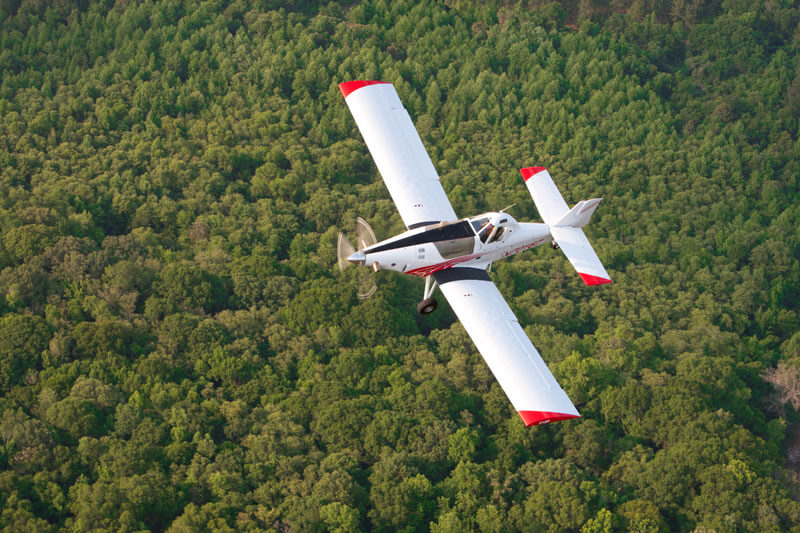
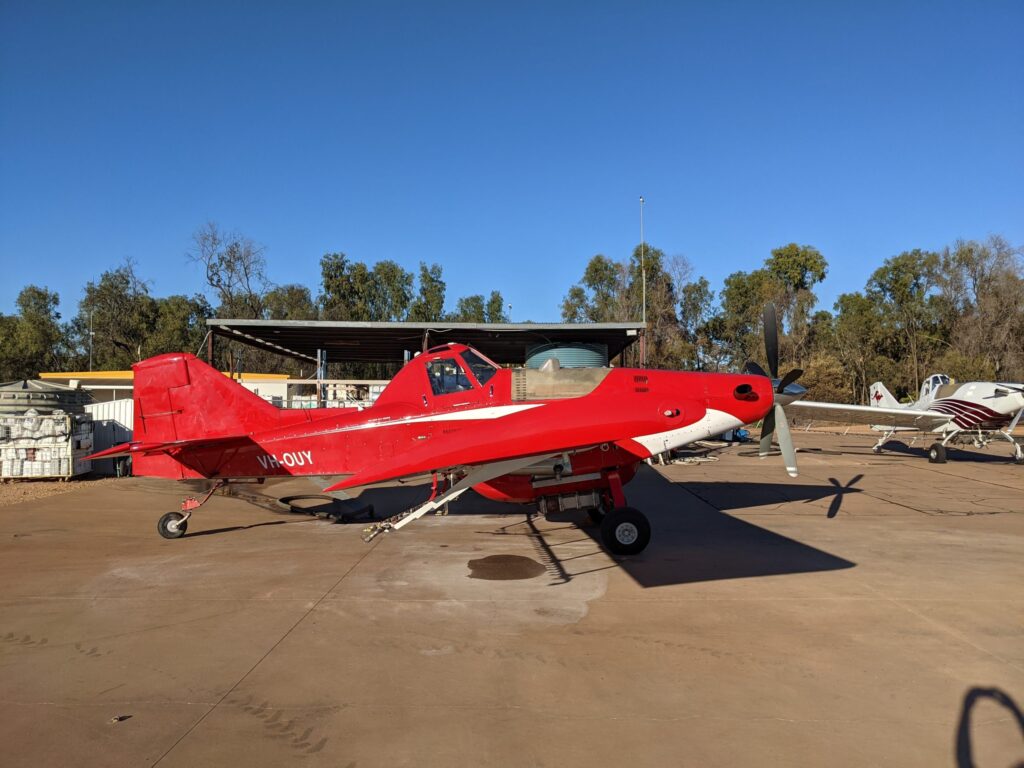
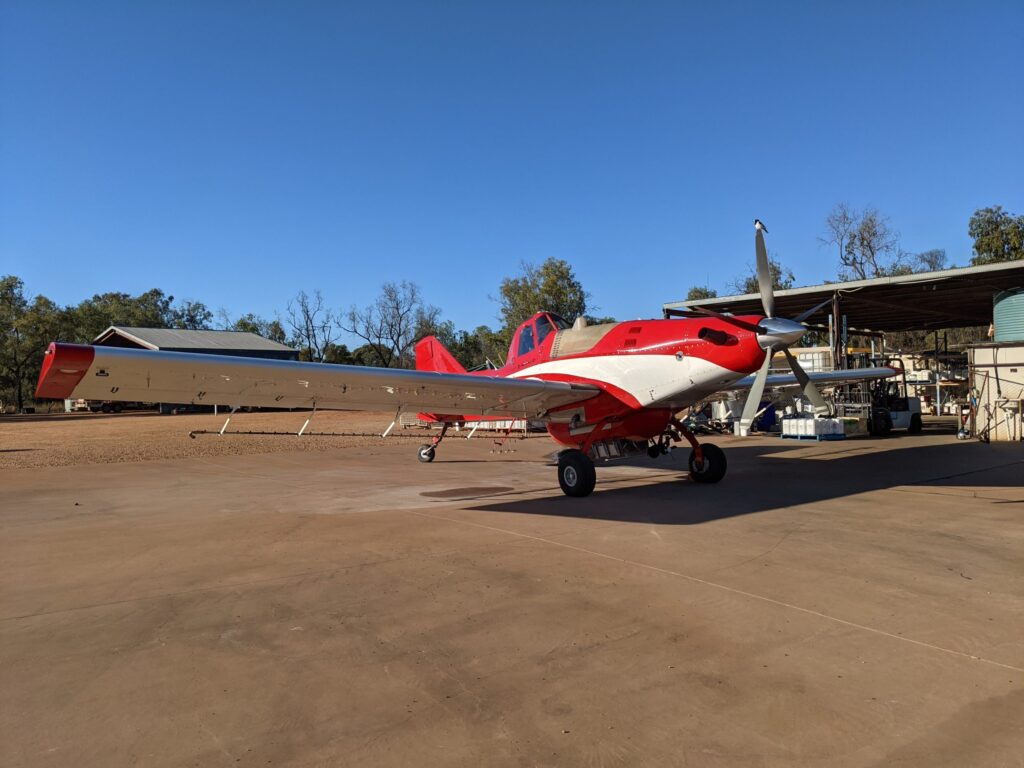
The agricultural aviation sector represents a significant and specialized turboprop market. Aircraft like the Air Tractor AT series, Thrush 510P2, 510P2+, 710P, and S2R-H80 are purpose-built for aerial application work — crop dusting, fertilizer spreading, firefighting, and environmental operations that demand powerful, reliable turbine performance, large hopper capacity, and the ability to operate from improvised strips in the most demanding agricultural environments. These aircraft represent specialized capital assets that serve critical roles in modern agricultural production, and Airplane Trade provides a platform where agricultural aviation operators can find the specific types and configurations they need.
The turboprop category also includes military and advanced trainer aircraft that have transitioned from government service into civilian ownership. The Beechcraft Mentor series (T-34), with its tandem seating, aerobatic capability, and genuine turbine performance, represents an exciting option for pilots seeking warbird-level performance in a turbine-powered package. The Pilatus PC-9 and PC-9/A bring high-performance turboprop trainer capability to the civilian market.
Turbine engines are fundamentally more reliable than piston engines when measured by hours between failures. With TBO intervals that regularly exceed 3,500 hours on mature turboprop engines — compared to 1,500 to 2,000 hours for most piston aircraft engines — and dramatically lower in-service failure rates, turboprop aircraft provide a level of operational confidence that piston aircraft cannot match. For operators flying in demanding weather, over challenging terrain, or on commercial schedules where mechanical delays have significant consequences, this reliability difference is not merely a comfort factor — it is a critical operational requirement.
Turboprop aircraft consistently outperform piston aircraft of equivalent size across every significant performance parameter. Higher cruise speeds (typically 250 to 395 knots for turboprops versus 140 to 240 knots for high-performance pistons), higher ceiling altitudes (FL250 to FL310 for pressurized turboprops versus FL180 to FL250 for the best turbocharged pistons), greater payload capacity, and superior hot-and-high performance all translate into a dramatically expanded operational envelope. Turboprops can routinely complete missions in conditions — altitude, temperature, payload, and runway length requirements — that would be at the very limits of piston aircraft capability or entirely beyond their reach.
While turboprop aircraft cannot match the outright speed of jet aircraft, they deliver their performance at fuel burn rates that are typically 30 to 50 percent lower than comparable light jets. For operators whose typical missions are under 1,000 nautical miles — which describes the vast majority of business aviation operations — the time penalty of turboprop versus jet speeds is modest, while the fuel savings over the life of the aircraft can be extraordinary. The lower acquisition cost of equivalent turboprops versus comparable jets further enhances the economic attractiveness of turboprop aircraft for cost-conscious operators.
Turboprop engine overhauls represent a major component of total ownership cost. Before purchasing any turboprop aircraft, investigate the status of engine maintenance program enrollment. Programs like Pratt & Whitney Canada's Eagle Service Plan (ESP), the King Air's various engine programs, and third-party hourly cost maintenance programs (HCMPs) provide cost certainty and protect operators from unexpected large maintenance expenditures. Aircraft enrolled in active, current engine programs typically command meaningful premiums in the marketplace — premiums that are almost always justified by the actual protection and peace of mind these programs provide.
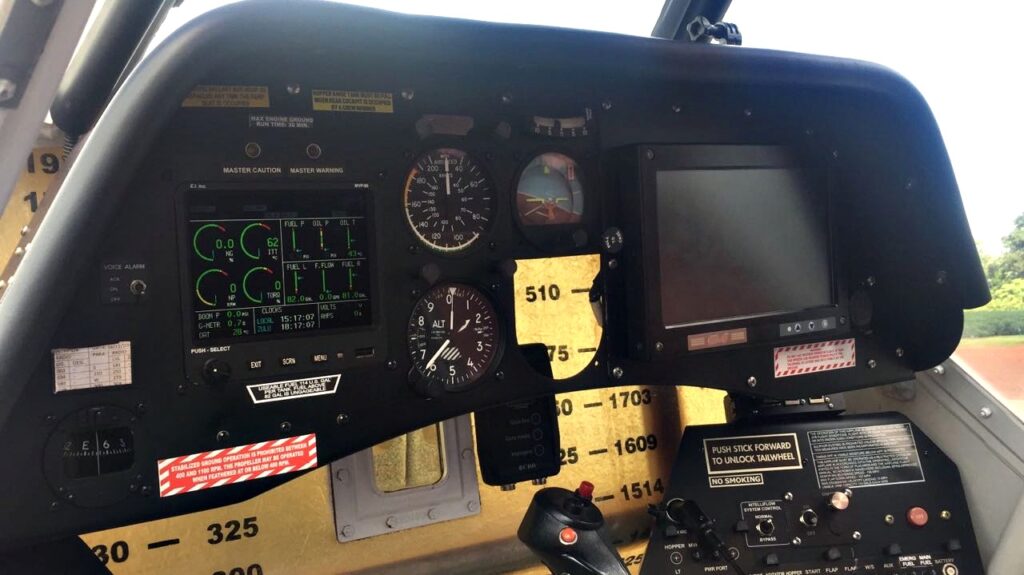
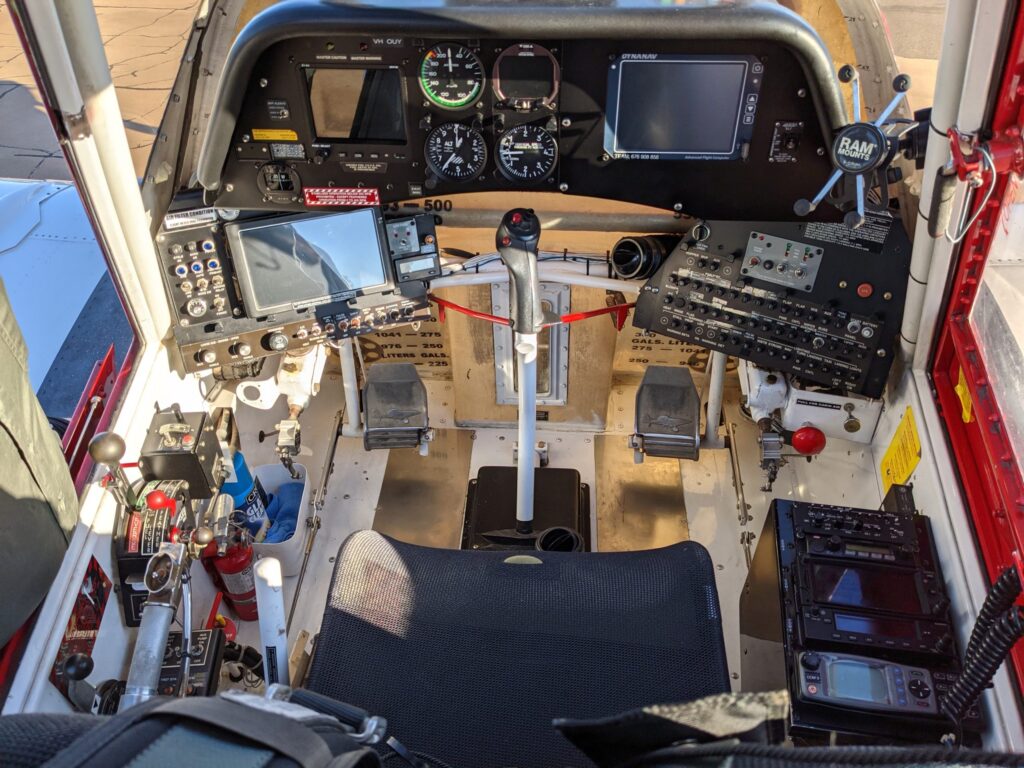
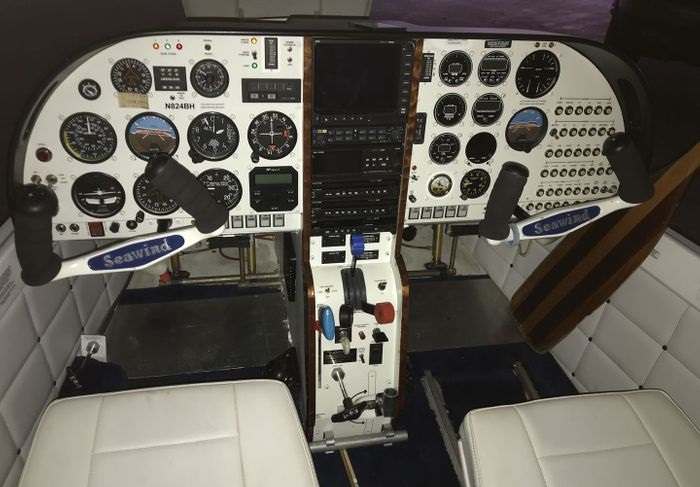
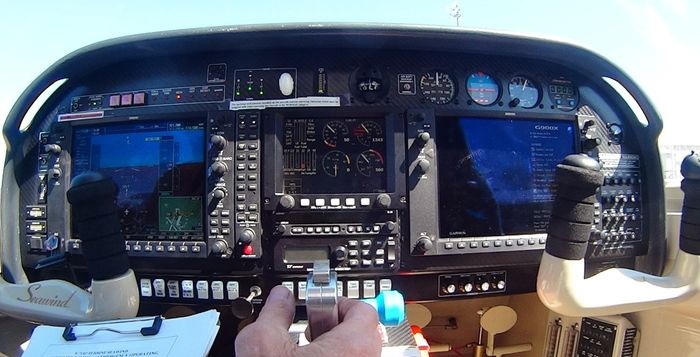
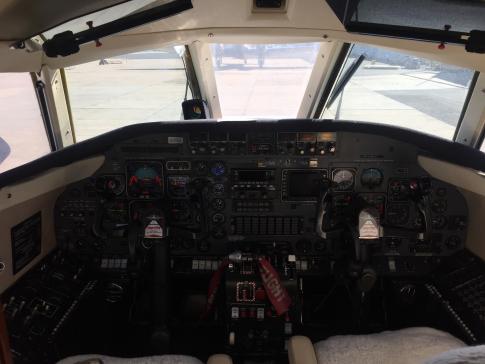
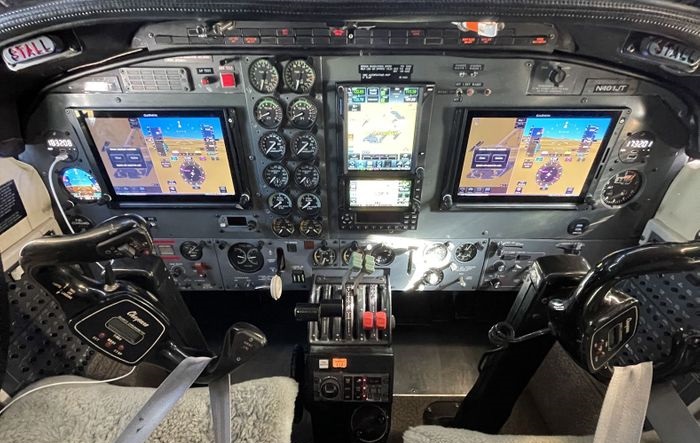
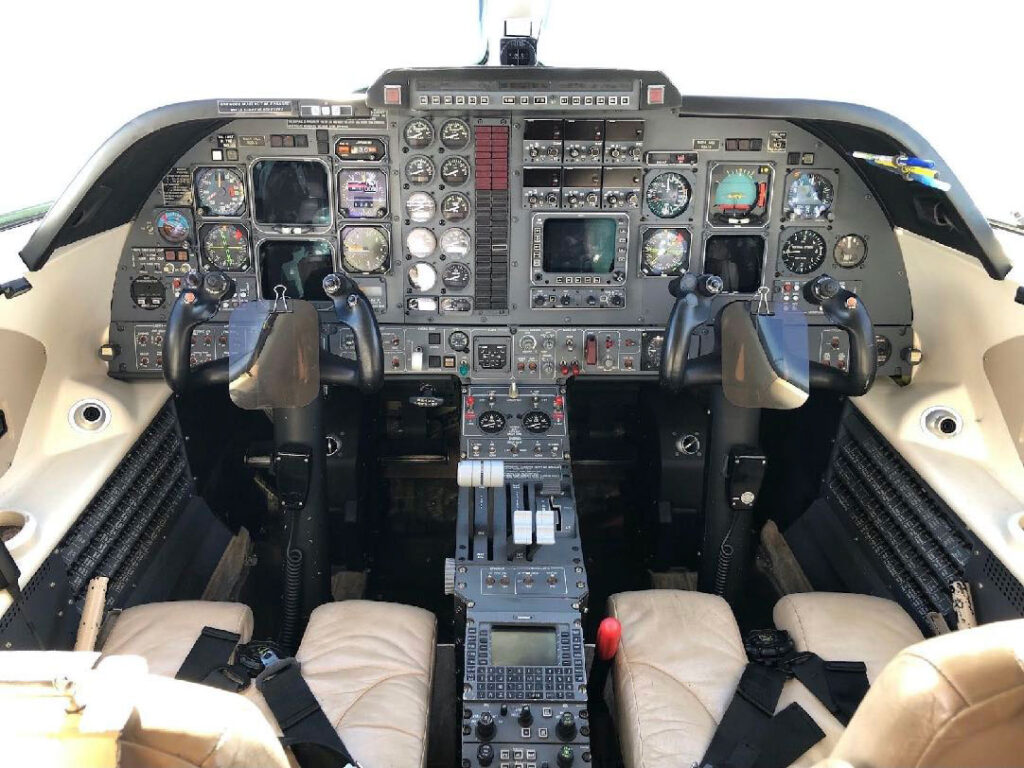
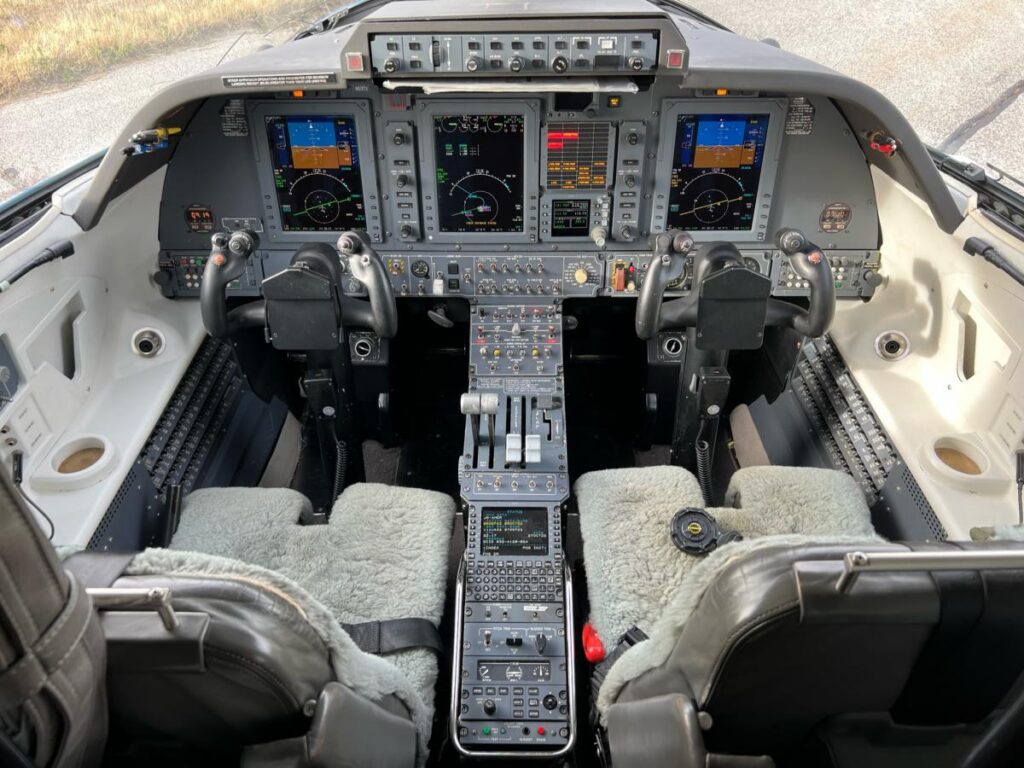
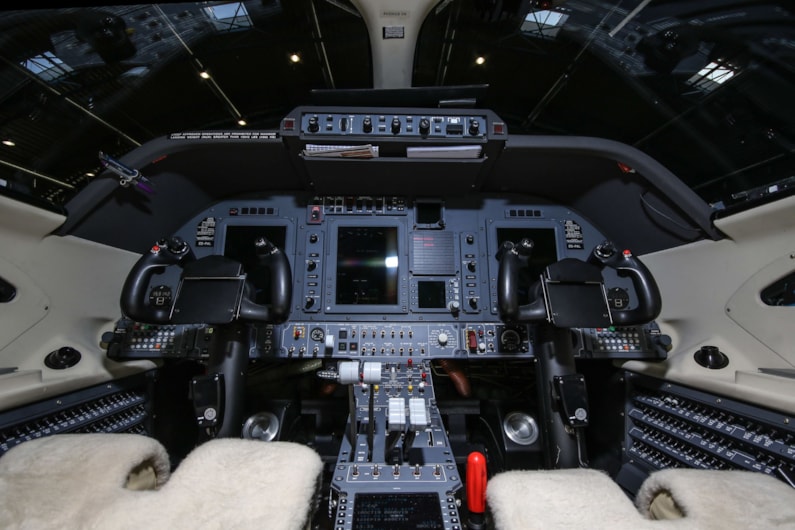
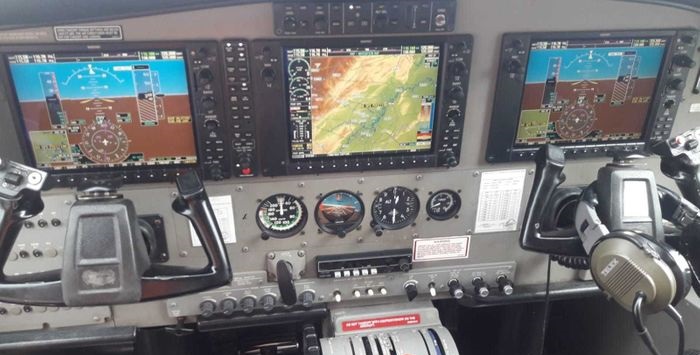
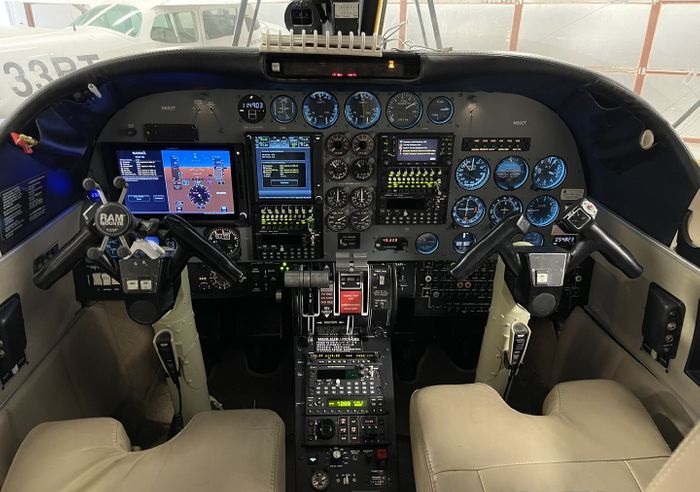
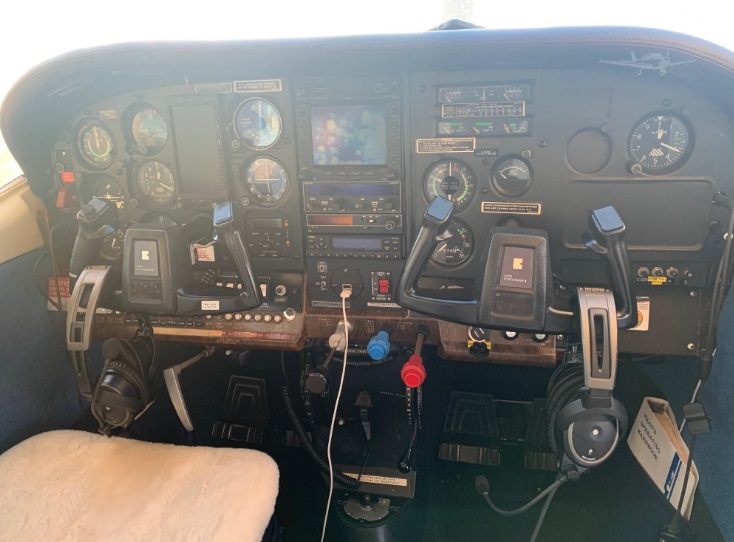
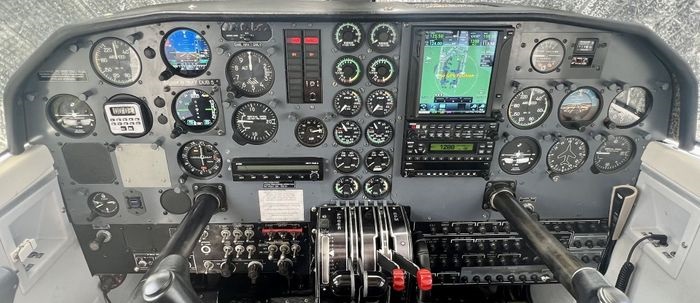
The avionics suite of a turboprop aircraft has a dramatic impact on its operational capability, pilot workload, passenger-facing technology, and resale value. Older analog "steam gauge" panels, while functionally adequate, lack the situational awareness, approach capability, and connectivity features that modern operators expect. Verify ADS-B Out compliance, GPS/WAAS approach capability, RVSM approval if applicable, and the generation of the primary flight display (PFD) and multifunction display (MFD) systems. A comprehensive avionics assessment should be part of any turboprop pre-purchase evaluation.
Turboprop engines require periodic hot section inspections (HSIs) in addition to their full overhaul cycles. The cost and timing of an upcoming HSI should be factored into any purchase price negotiation. Additionally, assess the status of the engine's compressor section and turbine section for any history of damage, repairs, or components approaching life limits. These assessments require qualified turbine engine specialists and are a non-negotiable element of any serious turboprop pre-purchase inspection.
Turboprop aircraft attract some of the most qualified and motivated buyers in the aviation marketplace — corporate flight departments, charter operators, air ambulance services, cargo operators, agricultural aviation companies, and well-capitalized private operators who understand and appreciate the unique value of turbine-powered propeller aircraft. Airplane Trade provides the focused aviation platform that puts your turboprop listing in front of exactly these buyers, through a marketplace built exclusively for aviation where every visitor arrives with a specific aviation purpose in mind.
Browse our complete turboprop aircraft inventory below. Whether you are searching for a Pilatus PC-12 for single-pilot efficiency, a Beechcraft King Air 200 for proven corporate reliability, a Cessna Caravan for utility operations, a Piaggio Avanti for maximum turboprop performance, a Socata TBM for high-speed owner-flown missions, or any other turboprop type in between — the aircraft you are looking for is here on Airplane Trade. Connect with sellers directly, evaluate listings thoroughly, commission your pre-purchase inspection, and take the next step in turboprop aircraft ownership with confidence.